















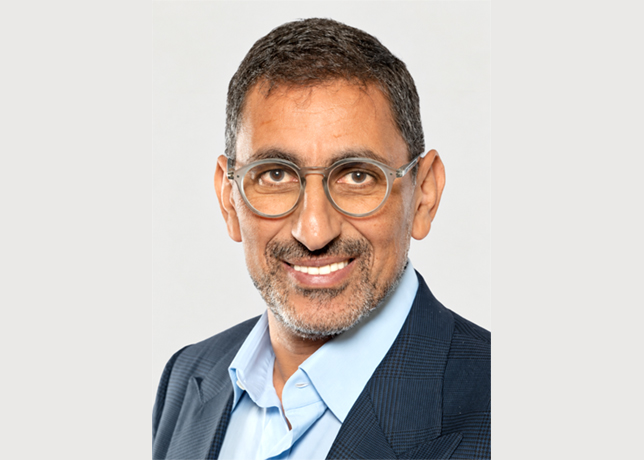





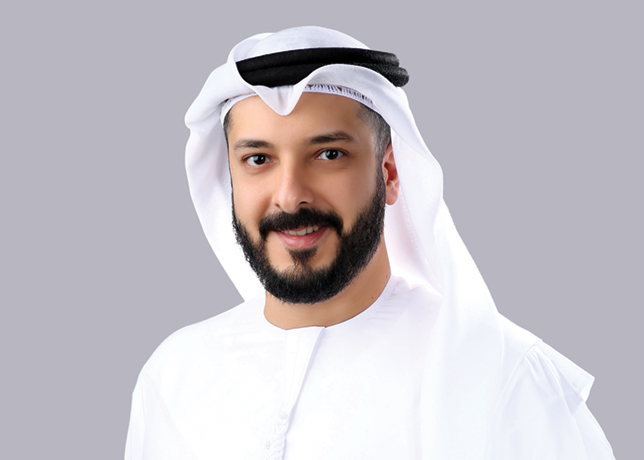















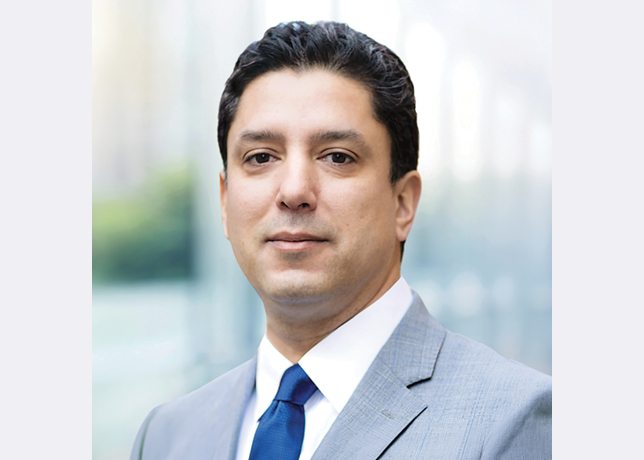











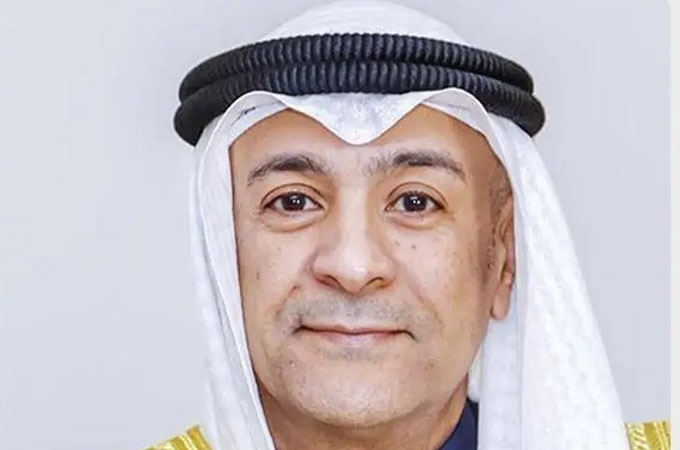
 Jasem Albudaiwi
Advancing regional convergence and connectivity across energy, trade, transport and the digital economy constitutes a vital pathway to support economic growth.
This is according to the Gulf Cooperation Council (GCC) Secretary-General Jasem Albudaiwi, who said there is need to bolster resilience and unlock new investment horizons so as to contribute to shared prosperity for the peoples of the region and future generations, a Saudi Press Agency (SPA) report said.
Albudaiwi's remarks came during his participation in a symposium titled "Regional Convergence for Energy, Trade, and Connectivity," organised jointly by the GCC General Secretariat and the United Nations Development Programme (UNDP) on the sidelines of the 81st session of the United Nations General Assembly in New York.
Rapid shifts
"Rapid shifts in international trade routes, energy systems, and technologies are reshaping how economies interconnect, at a time when capital flows increasingly gravitate towards regions capable of offering opportunity, resilience, and stability," Albudaiwi stated. "These structural transitions present both challenges and significant opportunities for GCC states."
He highlighted that while the Gulf region sits at a pivotal crossroads of global commerce, energy, and investment flows, geography alone cannot guarantee enduring prosperity. He emphasised that integrating markets, infrastructure, and institutional capacities—coupled with robust regional cooperation—is essential to transforming strategic advantages into tangible, practical gains that directly benefit populations.
"The GCC's track record offers proven, practical models in this regard, foremost among them the GCC Interconnection Grid, which has demonstrated the capacity of regional cooperation to bolster system resilience and deliver substantial economic and strategic dividends, while aligning regional initiatives with national priorities and the interests of participating states," Albudaiwi pointed out.
Actionable priorities
Furthermore, the secretary-general outlined three actionable priorities for the forthcoming phase: formulating a structured post-UNGA process to develop a clear roadmap anchored in national priorities; identifying key corridors, priority sectors, and bankable investment opportunities across energy, trade, transport, and digital connectivity; and expanding partnerships to encompass governments, multilateral financial institutions, sovereign wealth funds, and the private sector, while leveraging the UNDP's role to facilitate collaboration and provide technical expertise.
"These collective efforts must be grounded in national ownership, voluntary engagement, and mutual benefit, building upon existing initiatives to prevent duplication while focusing on areas capable of delivering tangible, measurable results," Albudaiwi underlined.
Concluding his address, the GCC secretary-general affirmed that the true value of this initiative will be measured by the depth of economic integration it achieves, the new investment avenues it unlocks, and the high-impact projects it delivers to reinforce growth and resilience. He underscored that the region possesses the resources, strategic location, institutions, and ambition required to drive this agenda forward, modernising infrastructure and trade while securing sustainable growth and shared prosperity for generations to come.—TradeArabia News Service