











































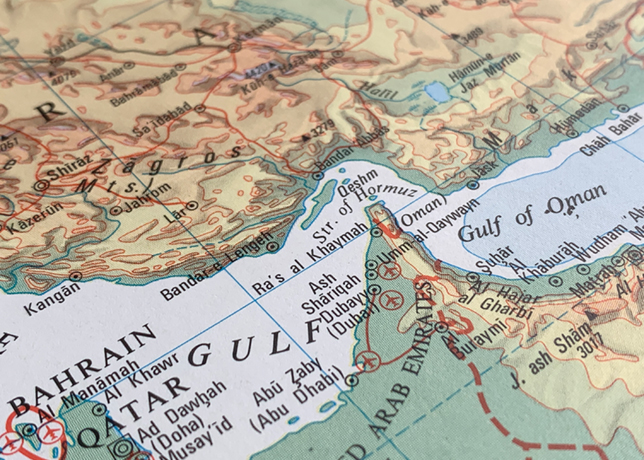
Brent crude hovered around $107 a barrel on Tuesday, extending gains as uncertainty over the US-Iran conflict and the future of the Strait of Hormuz continued to keep a substantial risk premium in oil markets.
The front-month Brent contract was trading around $107, after rising more than 2% on Monday following US President Donald Trump's rejection of an Iranian proposal linked to reopening the Strait of Hormuz. WTI was around $94 a barrel.
The strength in prices comes despite a recovery in Middle Eastern oil exports. Kpler data cited by Reuters showed regional crude exports rising to 16.33 million barrels per day in September, their highest level since the conflict began in February. Flows through the Strait of Hormuz also recovered to about 9.72 million bpd, although total regional exports remained about 3.2 million bpd below pre-war levels.
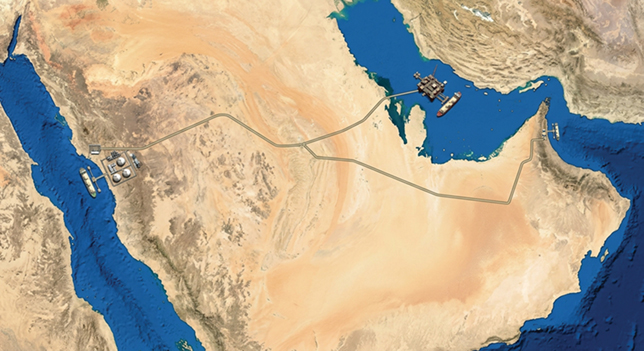
Saudi Arabia has been a major driver of the recovery, with its crude exports estimated at about 5.4 million bpd in September, sharply higher than 2.45 million bpd in August. The kingdom has also resumed exports through its East-West pipeline after repairs, providing an important alternative route to the Strait.
However, the oil market remains sensitive to any further disruption. Reuters reported last week that ship-to-ship transfers in the Gulf of Oman had reached their limits as Saudi Arabia and other producers sought alternative ways to move crude.
Trump keeps door open to deal
Against this backdrop, diplomatic efforts between Washington and Tehran remain uncertain.
Trump is willing to consider sanctions relief and the release of frozen Iranian funds as part of a final agreement, but only if Tehran makes “concrete progress” on the nuclear issue, a US official told CNN.
The official said the US was engaged in “positive and constructive discussions” through mediators but stressed that there would be no deal without progress on the nuclear issue. Trump rejected Iran's latest proposal concerning the reopening of the Strait of Hormuz on Saturday, calling it “unacceptable.”
Trump subsequently told Axios that he expected further talks with Iran this week. The US side is being represented in the discussions by special envoy Steve Witkoff, Jared Kushner, Vice President JD Vance and Secretary of State Marco Rubio, according to the official.
But Trump on Monday disputed the suggestion that he had already offered Tehran concessions, writing on Truth Social that he had “offered them NOTHING!”
For oil markets, the mixed signals mean that the possibility of diplomacy has yet to translate into a meaningful reduction in supply risk, keeping Brent above $100 even as Gulf producers gradually restore export flows.