

























































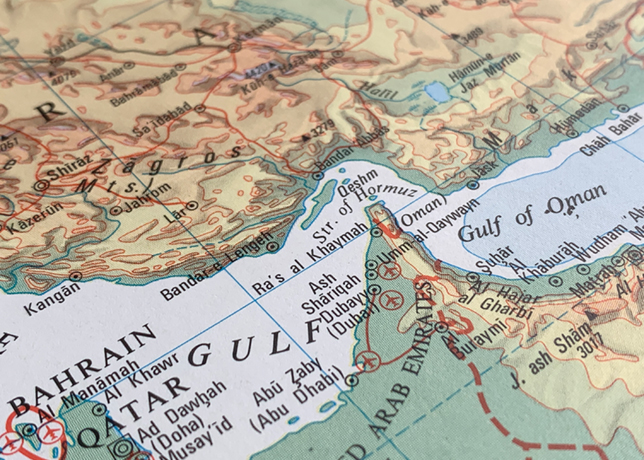
Brent crude held above $103 a barrel early Wednesday as a sharp recovery in oil flows through the Strait of Hormuz offered some relief to a market still grappling with the effects of the prolonged Iran conflict and uncertainty over the waterway's future.
Brent crude futures rose $0.41 to $103 a barrel, while US West Texas Intermediate crude lost 0.14 to $89.24. Brent is on course for a monthly gain of about 14%, its strongest monthly increase since July, while WTI is heading for a roughly 4% rise.
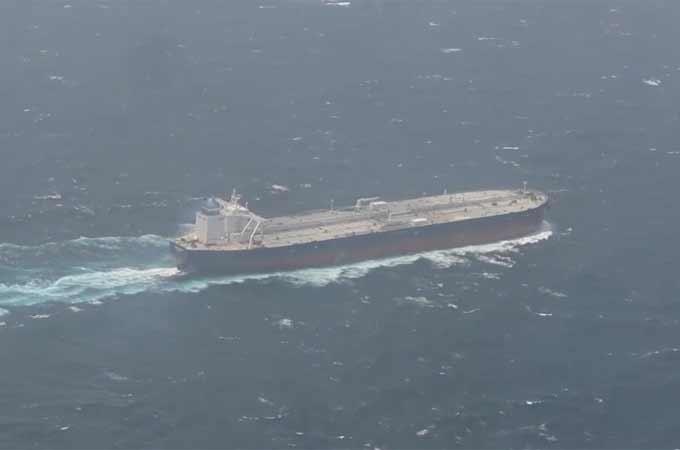
The latest price moves come as the physical oil market shows signs of adapting to the disruption. Oil and petroleum-product flows through Hormuz averaged about 13.1 million barrels per day last week, according to Kpler data cited by CNN, nearly 80% of the roughly 17.1 million bpd that moved through the chokepoint before the war.
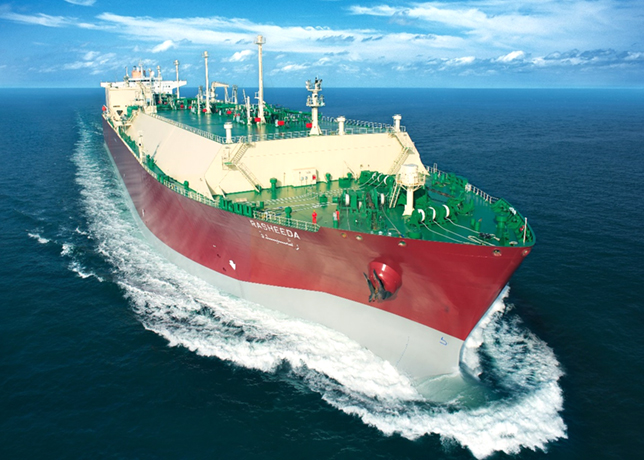
The recovery is significant because Hormuz remains the most important single pressure point in the global oil market. Gulf producers have increasingly relied on US Navy-supported tanker movements, ship-to-ship transfers and so-called “dark” transits, in which vessels switch off their automatic identification systems, to keep crude moving through the waterway.
But the higher flows should not be mistaken for a return to normality.
Gulf exports rebound
Crude exports from major Middle Eastern producers have also recovered sharply this month. Preliminary Kpler data cited by Reuters showed regional exports rising to around 12.8 million bpd in September, the highest level since the conflict began, although still about 6 million bpd below the 18.8 million bpd recorded in February.
Saudi Arabia has driven much of the recovery. Its crude exports are estimated at around 5.4 million bpd in September, more than double the 2.446 million bpd recorded in August. Shipments from Ras Tanura also rose sharply, although they remained below pre-war levels.
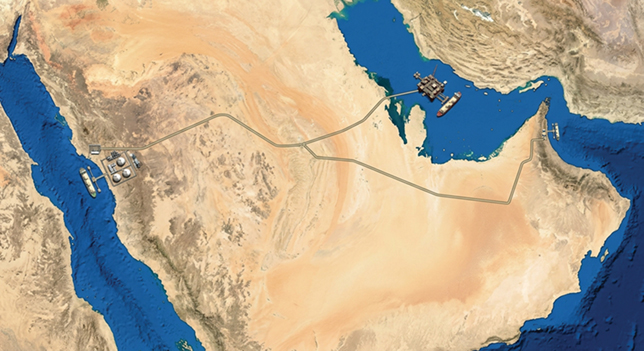
The increase partly reflects the restoration of Saudi export infrastructure after attacks damaged its East-West pipeline earlier this month. The pipeline provides an alternative route from the kingdom's eastern oil fields to the Red Sea, allowing some crude to bypass Hormuz.
A fragile solution to a massive supply disruption
The recovery in shipments has prevented the oil market from suffering an even larger shock, but it has come at considerable logistical and military cost.
The current system depends on tankers making carefully managed journeys through a conflict zone, with some cargoes transferred between vessels outside the Strait and others travelling with military protection. That has allowed exports to resume without resolving the underlying security problem.
The distinction is important: oil is moving, but the risk surrounding its movement remains elevated.
Global inventories have also been under sustained pressure. Analysts have estimated that oil stocks have fallen substantially during the conflict, while earlier IMF analysis warned that global inventories provide only a limited buffer against a prolonged disruption.
Against this backdrop, Qatar is continuing efforts to broker an understanding between Washington and Tehran.
Qatar's Foreign Ministry said Tuesday that Doha was exchanging messages with both sides and working to establish common ground for an agreement that could end the conflict and reduce its economic consequences. Several meetings and exchanges have taken place in recent days, including contacts on the sidelines of the UN General Assembly in New York.
However, there has been no agreement so far on reopening Hormuz under normal conditions.