





















































The Dubai Supreme Council of Energy (DSCE) is strengthening regulatory oversight of petroleum products trading to ensure companies and establishments maintain the highest standards of safety, compliance and operational efficiency across storage, transportation, distribution and supply activities.
The initiative forms
part of the Council’s regulatory and supervisory responsibilities and supports
the implementation of Executive Council Resolution No. 85 of 2025 on the
Regulation of Petroleum Products Trading in Dubai, as well as related
resolutions, requirements and technical standards.
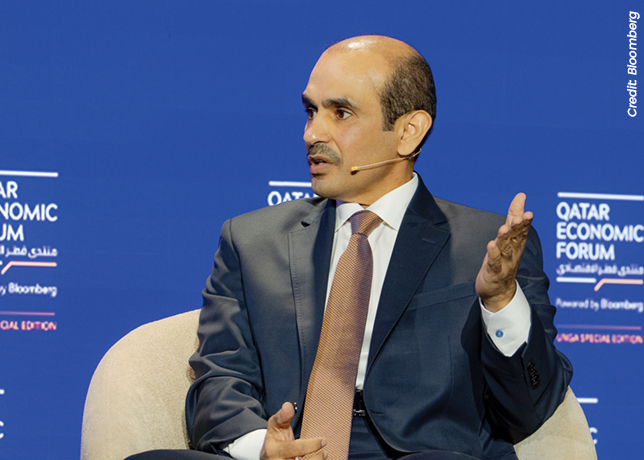
Ahmed Al Muhairbi,
Secretary General of the Dubai Supreme Council of Energy and Chairman of the
Dubai Regulatory Committee for Petroleum Products, said the resolution
establishes an integrated framework designed to improve the efficiency and
reliability of the petroleum products trading sector.
The framework
regulates sector activities, strengthens compliance with safety and technical
standards and addresses unauthorised practices.
Al Muhairbi said:
“Compliance with regulatory, technical and safety standards remains a primary
responsibility for all entities within the petroleum products trading sector.
This requires companies to maintain the validity of all necessary licenses and
permits, ensuring that facilities and transport methods strictly adhere to
approved requirements. It also requires proper implementation of operations,
maintenance and safety procedures aligned with defined requirements, along with
maintenance of relevant records and documentation. Ultimately, this approach
enhances operational safety, mitigates risks, and actively protects personnel,
facilities, and the environment.”
The DSCE said
effective operational practices begin with compliance with licensing
requirements, approved product specifications and technical standards.
Companies are required
to use authorised storage facilities and transport methods that meet safety
requirements, while carrying out inspection and maintenance activities in line
with approved procedures.
The Council also
stressed the importance of properly trained personnel, accurate records and
documentation, and strict adherence to safe operating procedures throughout the
petroleum products supply chain.
Among the practices
requiring particular attention are the use of unauthorised storage facilities
or transport methods, violations of storage and transportation regulations,
trading in products that fail to meet approved specifications, and inadequate
documentation of product sources and movements.
Joint inspection
campaigns conducted by the DSCE and relevant government entities have
identified cases involving the storage or trading of diesel at unlicensed
facilities and its transportation using methods that did not meet approved
requirements.
The Council warned
that such practices can create significant safety risks, including petroleum
product leaks and potential environmental damage.
The DSCE has urged
companies operating in the sector to ensure that all licences and permits
remain valid and that petroleum products comply with UAE-approved
specifications. Businesses have also been encouraged to use authorised storage
facilities and compliant vehicles and transportation methods.
The Council
highlighted the need for safe handling and transportation procedures, regular
maintenance and inspections, and stronger emergency response capabilities
across infrastructure and transport assets.
To strengthen
enforcement, the DSCE continues to operate a permanent joint field inspection
team for the petroleum products trading sector in coordination with relevant
government authorities.
The initiative
provides integrated oversight, supports compliance monitoring and helps
identify unauthorised activities requiring action under applicable regulations.
The Council also
conducts targeted inspections and monitoring campaigns, particularly in the
diesel and liquefied petroleum gas (LPG) sectors.
These efforts focus on
verifying compliance with approved product specifications and improving
operational safety.
Since beginning
operations in July 2022, the permanent joint field inspection team has
conducted 449 joint inspection campaigns in the LPG sector.
The campaigns are a
key part of efforts to restrict unauthorised practices and strengthen adherence
to safety requirements and regulations.
The DSCE said its
approach combines regulation, field monitoring, inspections and coordination
with companies and government authorities to create a safer and more organised
petroleum products trading environment.
The measures are also
aimed at protecting workers, infrastructure and the environment while improving
the efficiency of Dubai’s energy sector.
The regulatory
framework under Executive Council Resolution No. 85 of 2025 reflects Dubai’s
broader focus on governance, transparency and effective oversight of petroleum
products trading.
Through stronger enforcement and operational standards, the DSCE aims to curb illegal trading, reduce risks and support sustainable development while reinforcing Dubai’s application of international regulatory and operational best practices. -OGN/TradeArabia News Service