
















































Dubai Airports has published its first ESG Impact Report, outlining progress made across environmental, social and governance priorities at Dubai International (DXB) and Dubai World Central – Al Maktoum International (DWC).
Covering 2024 and 2025, the report highlights measurable
gains in energy efficiency, renewable energy, waste management, employee
development and accessibility, while identifying areas requiring further work
as airport operations expand.
Dubai Airports reduced electricity consumption by 144.72 GWh against its 2019 baseline as of June 2025.
Its sustainability programme also
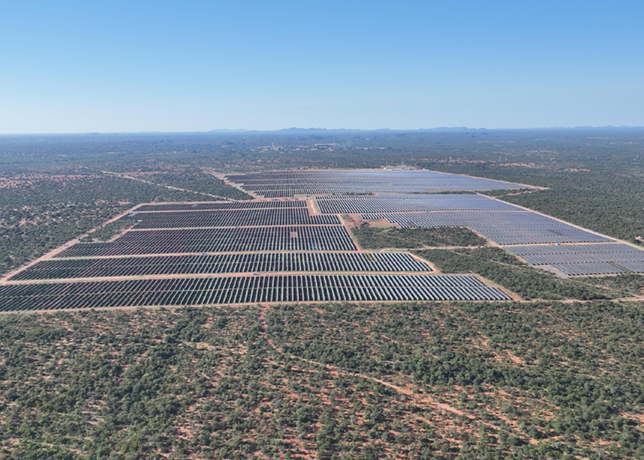
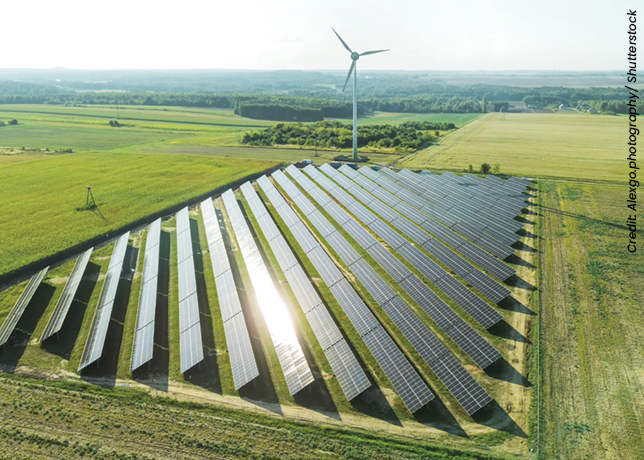
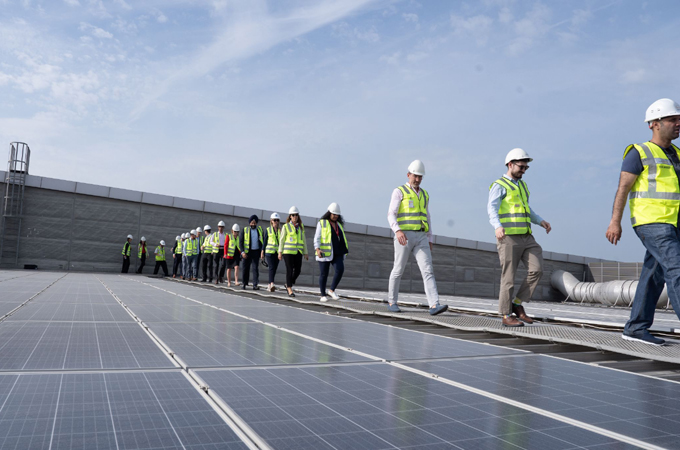
includes a 45 MWp rooftop solar programme across DXB and DWC, described as one
of the region’s largest airport-based renewable energy initiatives.
In addition, a 5% biodiesel blend was introduced across
airport and partner vehicle fleets.
Waste diversion also recorded significant progress.
Seven food-waste digesters at DXB can process a combined
4,900kg of food waste per day, contributing to a 76% landfill diversion rate in
2025.
The rate subsequently reached 100% in May 2026.
On the social side, Dubai Airports delivered 24,115 learning
hours in 2025 through learning and leadership programmes to 1,531 employees,
while development initiatives were extended to 17,349 service partners.
Accessibility remained another focus, with eight dedicated
services for People of Determination at DXB.
A total of 52,619 learners across 14 partner entities
completed accessibility training in 2025, while 36,040 sunflower lanyards were
distributed to support passengers with hidden disabilities.
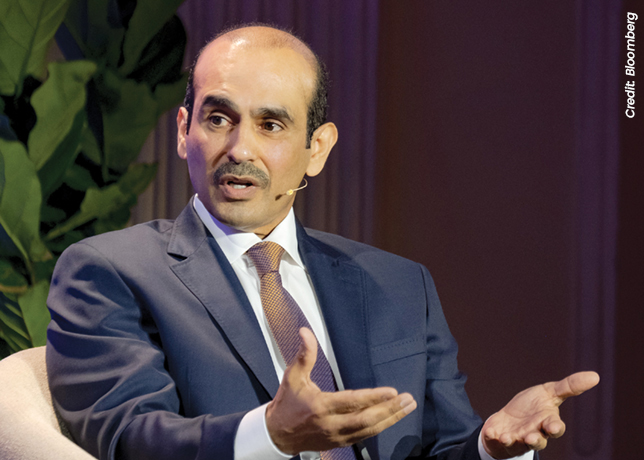
Paul Griffiths, CEO of Dubai Airports, said: “Sustainability
cannot sit on the sidelines of the business. It has to influence the choices we
make, the way we operate and how we plan for the future. We are clear about
where we can make the greatest difference, from reducing the impact of our own
operations to bringing partners together around the wider challenge of
decarbonising aviation.
“There are no quick fixes, and progress will require
honesty, discipline, and sustained action across the entire aviation community.
This report provides a transparent account of where we are today, the practical
steps already under way and the work still ahead of us as we continue to grow
and create long-term value for Dubai, the UAE, and the communities we connect.”
The report also identifies priorities for the next phase,
including improving ESG data collection, completing climate-risk and adaptation
planning, advancing environmental management systems and strengthening
collaboration across the aviation ecosystem through the oneDXB Sustainability
Alliance. -TradeArabia News Service