











































Southeast Asia faces growing energy security risks as rising demand, increased fuel imports and increasingly interconnected energy systems leave the region more exposed to supply disruptions and price volatility, according to a new review by the International Energy Agency (IEA).
The ASEAN Energy Security Review examines risks across oil,
gas, coal, electricity and critical minerals, recommending stronger national
preparedness and deeper regional cooperation to improve the reliability and
affordability of energy supplies.
The IEA is due to present its findings to ASEAN energy
ministers in Manila on 7 October.
Energy demand per person across Southeast Asia has increased
by almost 30 per cent over the past decade, driven by economic growth,
industrialisation, urbanisation and rising living standards.
At the same time, regional crude oil production has fallen
40 per cent from its peak in the 1990s, while crude imports have risen. Growing
LNG imports are also increasing exposure to global gas market fluctuations.
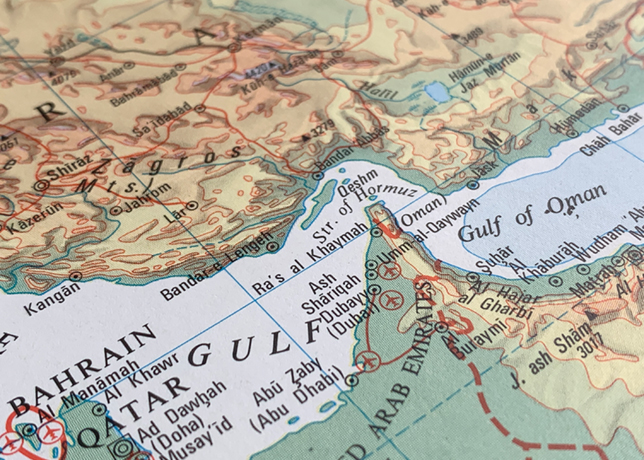
The report highlights disruptions to energy flows through
the Strait of Hormuz this year as a reminder of the potential impact of shocks
to international fuel markets and strategic shipping routes.
Electricity demand is expected to rise particularly quickly,
averaging around 5.4 per cent annually between 2026 and 2030.
Growth will be driven by increased cooling needs, industrial
expansion and the rapid development of data centres.
The IEA says meeting demand reliably will require investment
in power generation, grids and system flexibility, alongside planning that
accounts for fuel supply risks and extreme weather.
“Southeast Asia is one of the world’s most dynamic regions,
but its rising needs for energy to power its economic growth face challenges in
an increasingly uncertain global energy landscape,” said IEA Executive Director
Fatih Birol. “Energy security must be built into decisions across the whole
system from oil stocks and gas infrastructure to electricity grids and more
efficient use of energy. By working more closely together, ASEAN countries can
make better use of their collective resources and respond more effectively when
disruptions occur.”
The IEA recommends that ASEAN members diversify supply
sources and routes, expand the use of economically viable domestic energy
resources and accelerate energy efficiency and electrification.
It also calls for
clearer emergency procedures, stronger market monitoring and regular exercises
to test responses to major disruptions.
The review stresses that energy security policies should
reflect differences among ASEAN economies.
Coal, for example, remains important to electricity
generation and industrial activity in several countries, making reliable
supplies necessary while governments develop credible pathways to reduce
dependence on the fuel.
Existing regional agreements provide a framework for further
action.
The ASEAN Plan of Action for Energy Cooperation 2026-2030
could support stronger information sharing, emergency response and cross-border
assistance, while implementation of the ASEAN Framework Agreement on Petroleum
Security could strengthen emergency planning and oil stockholding.
The report also highlights energy efficiency as a way to
reduce pressure on imports and electricity systems.
More efficient vehicles, buildings, appliances and
industrial equipment could lower demand, while cooperation on critical minerals
could help ASEAN develop regional capabilities and reduce exposure to
concentrated global supply chains.
The review was developed with the ASEAN Centre for Energy, ASEAN Secretariat and member states, reflecting growing cooperation between the IEA and governments across Southeast Asia. -OGN/TradeArabia News Service