

























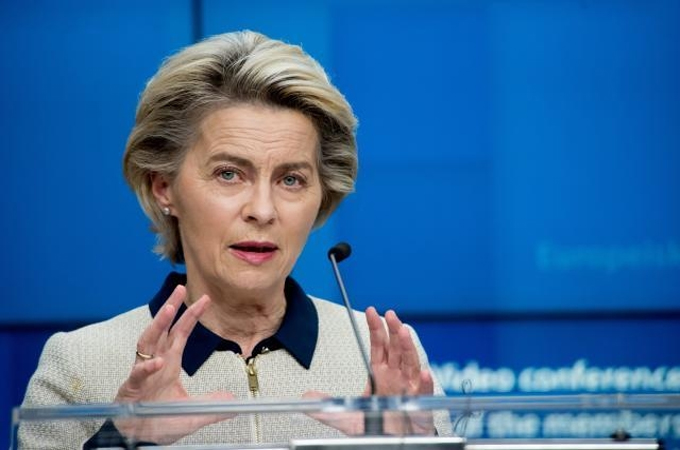
European Commission President Ursula von der Leyen has announced plans to strengthen joint energy purchasing across the European Union as rising gas and diesel prices increase pressure on member states and consumers.
“We are going to launch a new working group to aggregate
energy demand,” von der Leyen told the European Parliament in Strasbourg ahead
of an EU leaders’ summit on 15th-16th October.
The new group will build on the joint purchasing mechanism
introduced during the 2022 energy crisis, taking it “to the next level” by
moving towards aggregated demand and centralised contracting rather than simply
connecting buyers and sellers.
Von der Leyen said gas prices had risen 140 percent since
the end of February, while diesel prices had doubled.
The bloc has also incurred an additional €100 billion ($113 billion)
in fossil fuel import costs since the start of the conflict.
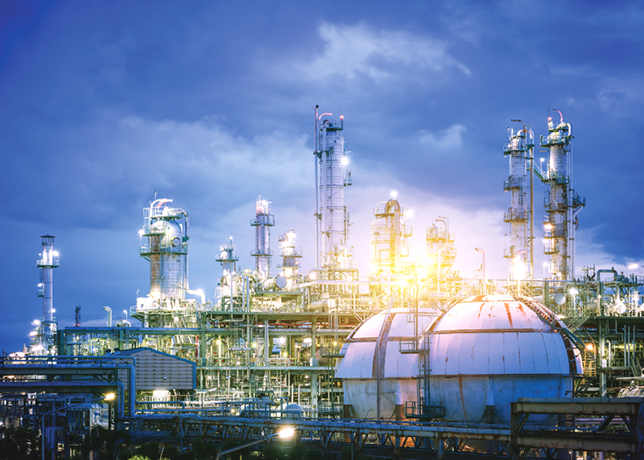
The European Commission will launch a “strategic dialogue on
European refineries”, led by Commissioners Dan Jorgensen and Andrius Kubilius,
to reduce costs and strengthen energy security, including supplies for defence.
The measures follow a G7 agreement to release 100 million
barrels of diesel and crude oil to help stabilise global prices, alongside
greater flexibility for exporters on methane requirements.
Von der Leyen ruled out broad-based financial support for
households, favouring targeted assistance for those most affected by higher
costs.
“There is no one-size-fits-all solution for the entire
European Union. The different member states have different energy mixes and
face different pressures. Our role is to give them the tools and flexibility to
respond,” she said.
She also called for faster electrification to reduce dependence on imported fossil fuels. Electricity currently accounts for less than a quarter of EU final energy consumption, while the bloc aims to double that share by 2040, potentially cutting annual fossil fuel import costs by about €260 billion. -OGN/TradeArabia News Service