




















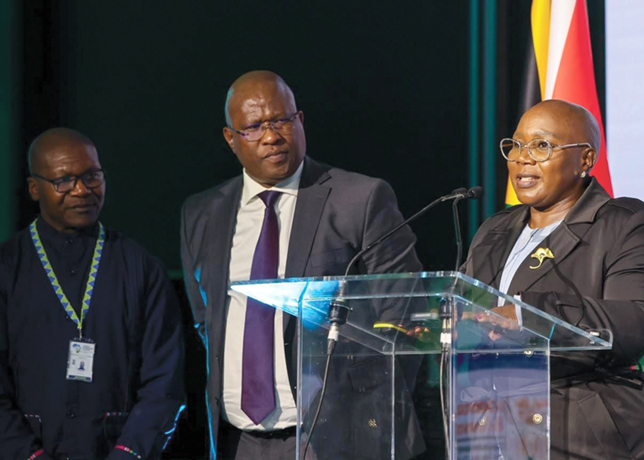























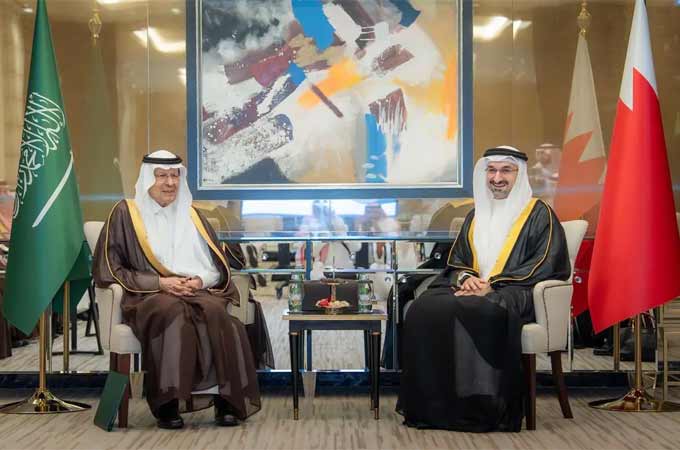
 Prince Abdulaziz bin Salman with Bahrain's Minister of Industry and Commerce Abdulla bin Adel Fakhro. Image courtesy: SPA
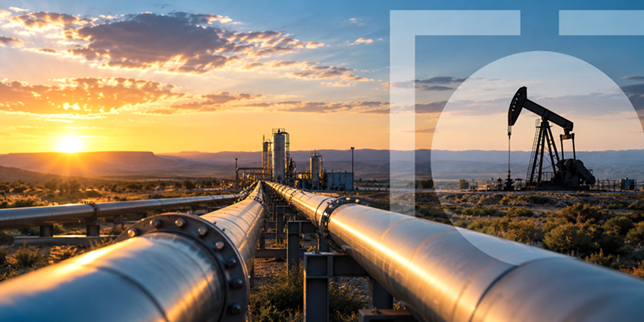
Saudi Arabia has restored oil flows through its strategic East-West Pipeline to 5.8 million barrels per day (bpd), strengthening the Kingdom’s ability to move crude to global markets.
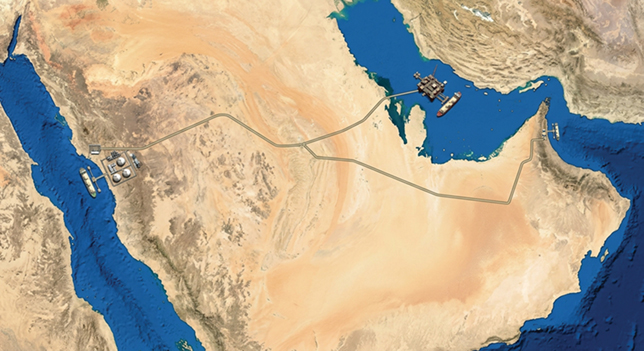
Saudi Energy Minister Prince Abdulaziz bin Salman said on Tuesday that flows through the 1,200-km pipeline, which links the Kingdom’s major oil-producing fields in the east with the Red Sea export hub of Yanbu, had reached 5.8 million bpd as of Tuesday morning.
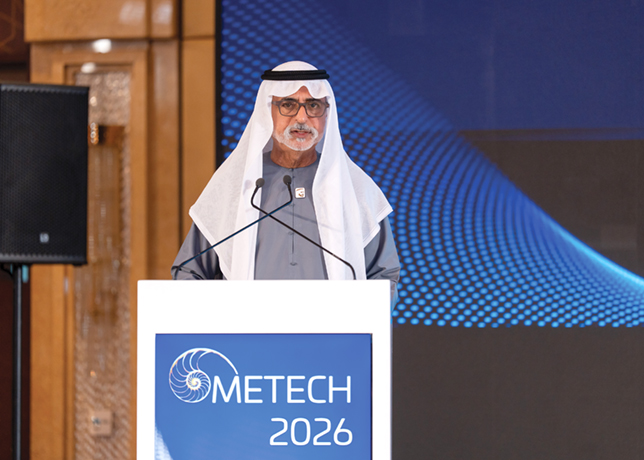
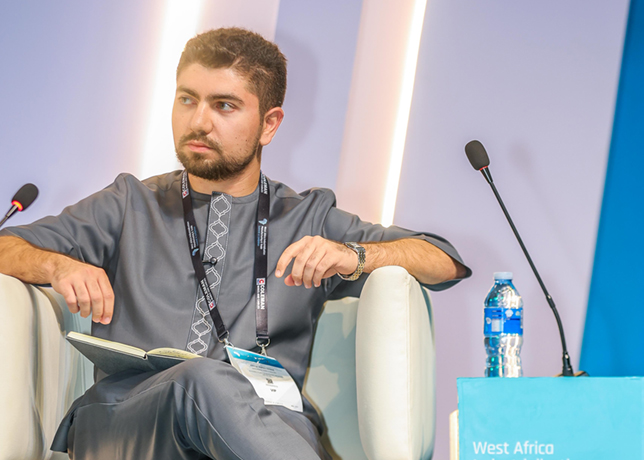
“Not everyone knows that within five or six days, we began using the pipeline again after the major attack that struck it,” Prince Abdulaziz said during a panel discussion at the Made in the GCC 2026 Forum and Exhibition in Manama, referring to drone strikes blamed on an Iraqi militia last month.
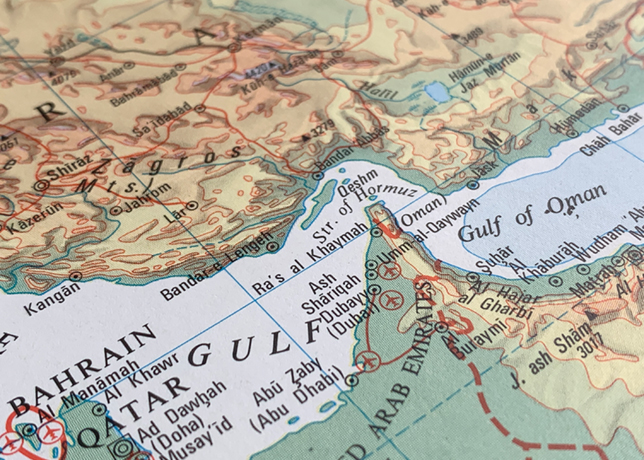
The pipeline has a maximum capacity of about 7 million bpd and is one of Saudi Arabia’s key alternatives to shipping crude through the Strait of Hormuz. Its operation has become particularly important since the waterway was largely closed following the outbreak of the US-Israel war on Iran in late February.
The pipeline allows Saudi crude produced in the east to reach export terminals on the Red Sea without passing through the Strait, one of the world’s most important energy chokepoints.
The restoration of flows comes as the regional conflict continues to disrupt established oil and fuel trade routes and keep markets on edge.
Oil prices were little changed on Tuesday after recovering from earlier losses, as traders weighed increased Middle Eastern crude exports and a planned Group of Seven release of emergency diesel and crude stockpiles against continuing supply risks linked to attacks by Yemen’s Iran-backed Houthis, said a Reuters report.
Brent crude futures rose 26 cents, or 0.3%, to settle at $100.58 a barrel, while US West Texas Intermediate crude gained one cent to $89.44.
The scale of recent regional exports has nevertheless helped ease some concerns over an immediate supply shortfall. Vitol CEO Russell Hardy said on Tuesday that about 12 million bpd of crude and a further 2 million bpd of refined products had left the Middle East on tankers during the previous seven to 10 days.
The Strait of Hormuz remains the biggest source of uncertainty. Millions of barrels of crude and petroleum products normally pass through the waterway each day, making any prolonged disruption a major threat to global supplies and prices.
At the same time, diplomatic efforts to end the conflict remain uncertain.
US Vice President JD Vance said in an interview with Reuters that Iran would have to make a “meaningful” reduction in its nuclear enrichment capacity to meet US demands and secure an end to the seven-month war.
Vance, who has played a leading role in US efforts to negotiate a settlement, said Washington remained open to an agreement but would require concrete concessions from Tehran rather than assurances of future reductions in enrichment.
“If you don't want a nuclear weapon, then why do you need 60% enriched fuel?” Vance said, arguing that Iran would need to demonstrate its commitment to not developing a nuclear weapon through substantive action on enrichment.