


























































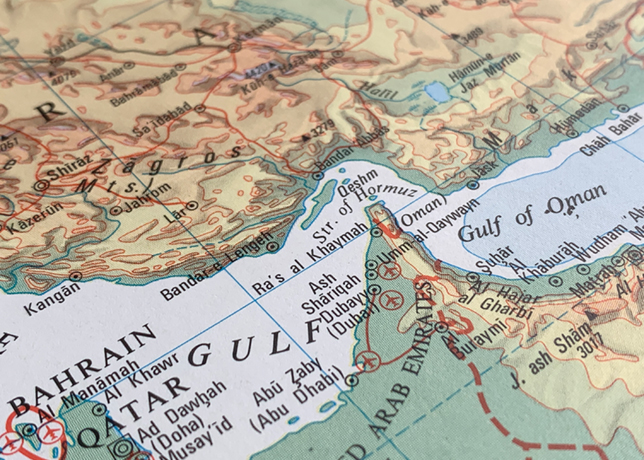

Oil prices rose on Thursday as markets continued to assess the impact of disruptions to shipping in the Gulf and Strait of Hormuz.
Brent crude futures rose $1.33, or 1.33%, to $101.53 a barrel by 0116 GMT, while US West Texas Intermediate (WTI) crude futures gained $1.11, or 1.26%, to $89.39.
Prices had settled lower on Wednesday after the International Energy Agency (IEA) said its member governments supported accelerating the release of emergency oil stocks announced under the March 2026 Collective Action, with the aim of completing the releases as soon as possible.
IEA member governments also backed prioritising the release of diesel stocks where possible, citing tightness in diesel markets.
Participants at the meeting welcomed the IEA's response to the energy-market impact of the Strait of Hormuz crisis and reaffirmed their commitment to the March 2026 Collective Action. They also stressed the importance of continued market monitoring and analysis by the IEA Secretariat.
The meeting also welcomed a recent statement by G7 leaders on global energy security and market stability, including its call for the continued free flow of energy trade.
Around 325 million barrels of oil have so far been released under the March 2026 Collective Action, with some countries releasing more than their initial commitments. A further release of all pledged stocks that have not yet entered the market could add about 100 million barrels to global supply.
IEA member governments still hold significant publicly owned emergency oil stocks, equivalent to around 1.1 billion barrels, including more than 200 million barrels of diesel. The agency said it remains prepared to release additional stocks if required.
The IEA Secretariat will continue to work with member governments to monitor implementation of the March 2026 Collective Action. The situation will be reviewed at the next scheduled meeting of the IEA Governing Board next week.