



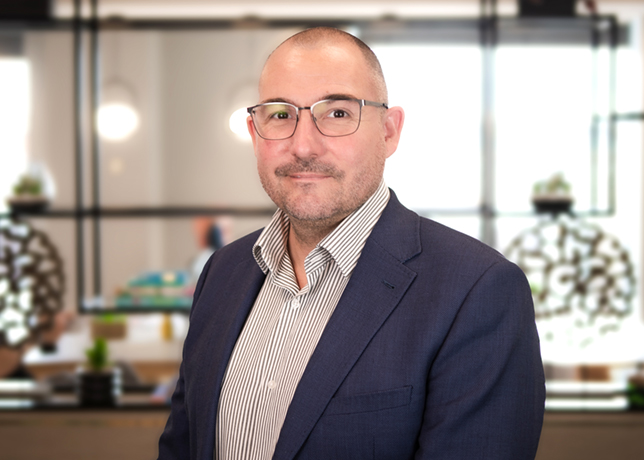





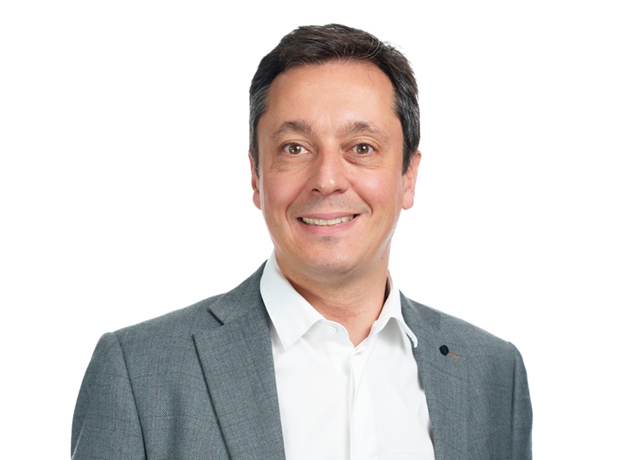
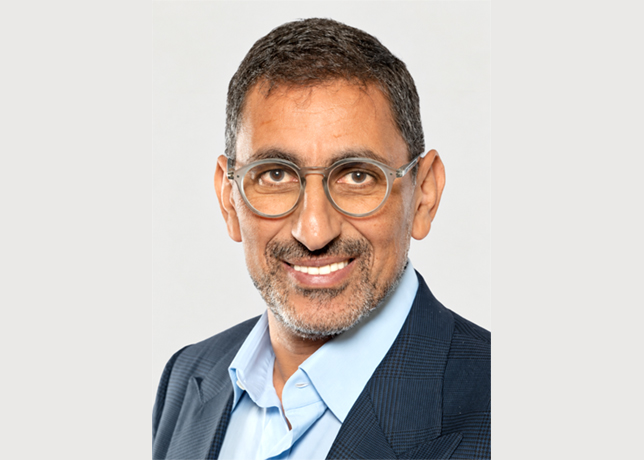


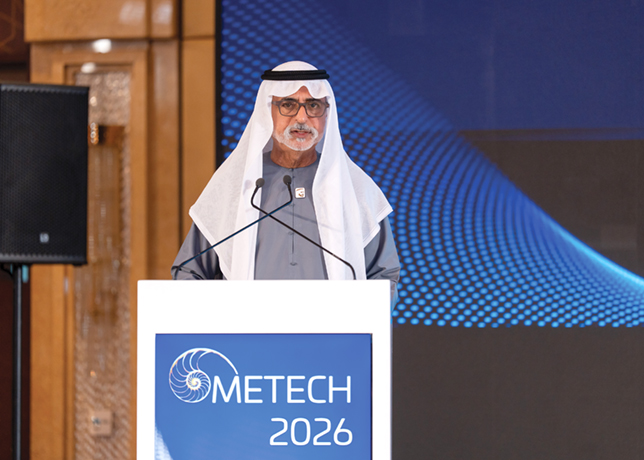

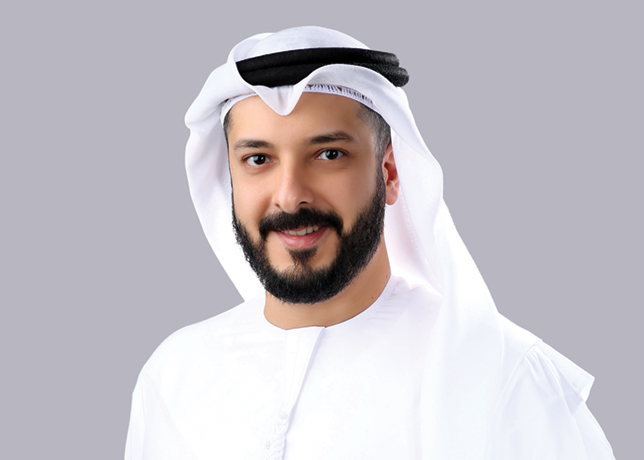








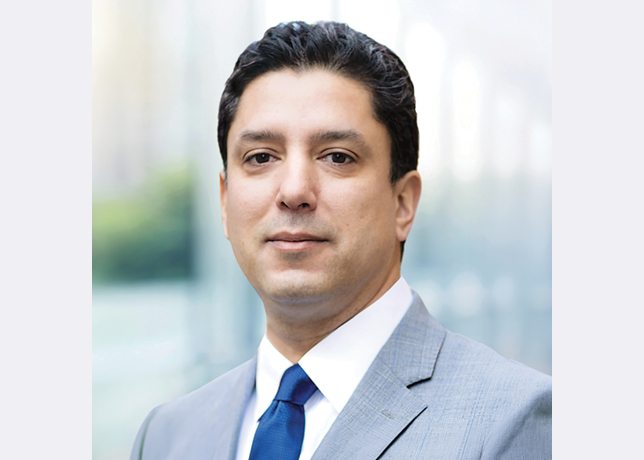







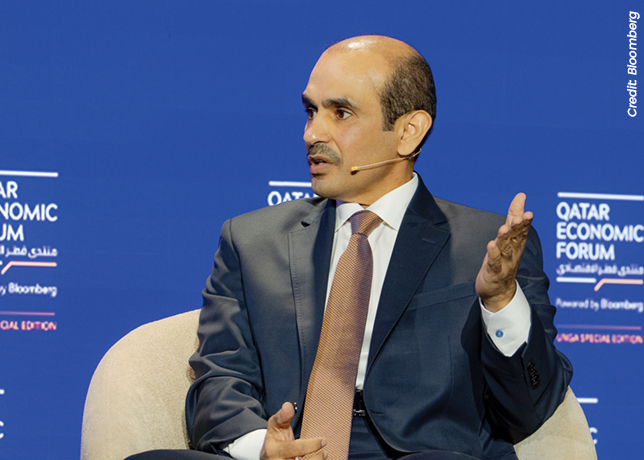
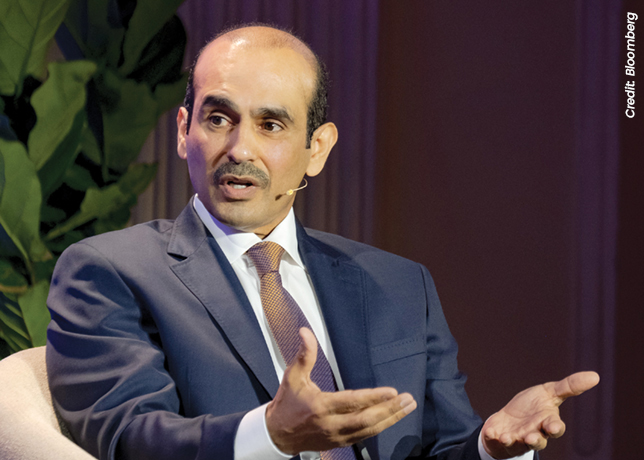
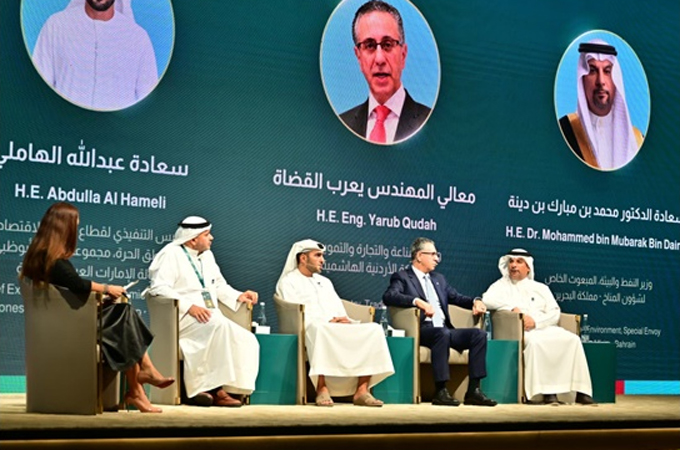
Bahrain’s Minister of Oil and Environment and Special Envoy for Climate Affairs, Dr. Mohammed bin Mubarak Bin Dainah, has called for stronger industrial integration among Gulf Cooperation Council (GCC) countries to build a more competitive, resilient and sustainable regional economy.
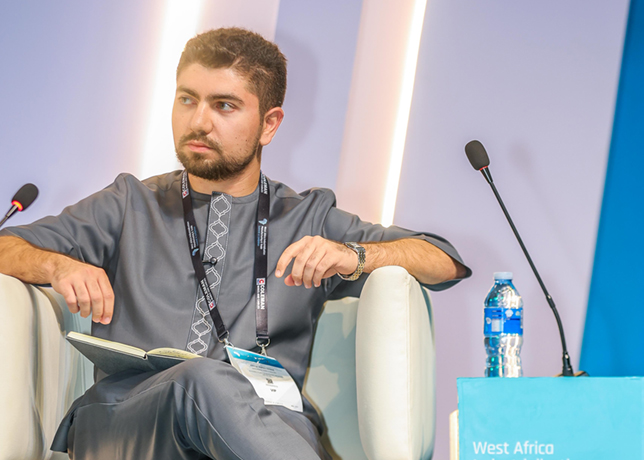
Speaking during the second panel discussion of the Made in
GCC Forum and Exhibition 2026 at Exhibition World Bahrain, Dr. Bin Dainah
joined ministers, officials and industrial decision-makers from across the
region to discuss the future of green industries through regional integration.
The minister said closer cooperation between GCC countries
is essential to transform the region’s economic advantages into joint
industrial partnerships and value-added projects.
He highlighted the importance of integrating manufacturing
capabilities, economic zones, logistics infrastructure and private sector
investment to strengthen the region’s industrial base and competitiveness.
Dr. Bin Dainah also stressed the need to link and integrate
supply and value chains across the GCC, describing regional cooperation as a
strategic necessity for strengthening economic stability and expanding access
to international markets.
Greater integration in energy and manufacturing, he said,
would help retain more value within the region while creating high-quality
jobs, investment opportunities and new areas for joint economic activity.
He urged GCC countries to adopt long-term strategic planning
to improve their ability to respond to crises and geopolitical developments.
Global supply chain disruptions, he noted, could provide an
opportunity to accelerate industrial localisation and strengthen mutual support
among Gulf states.
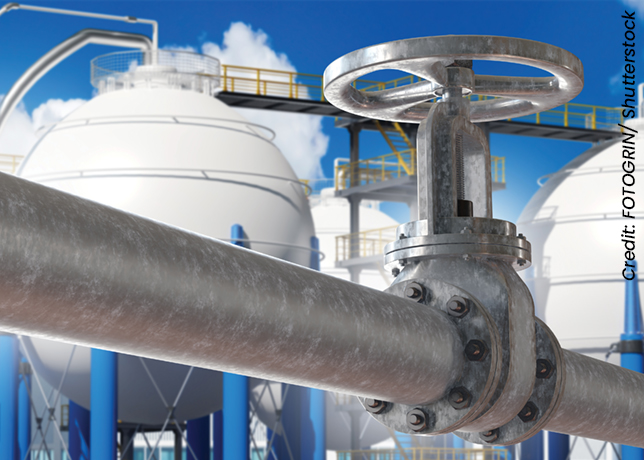
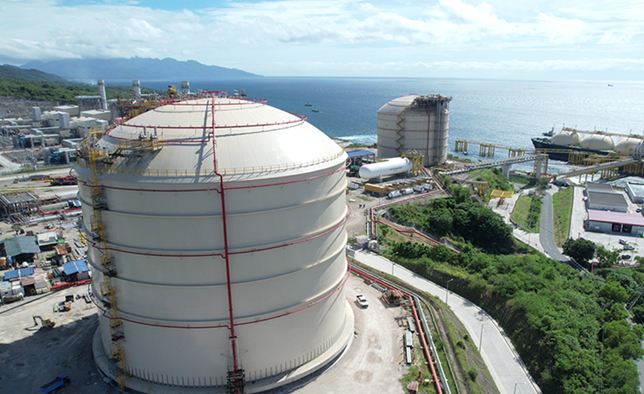
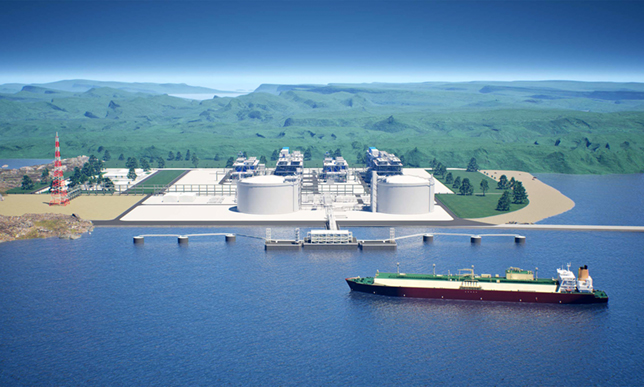
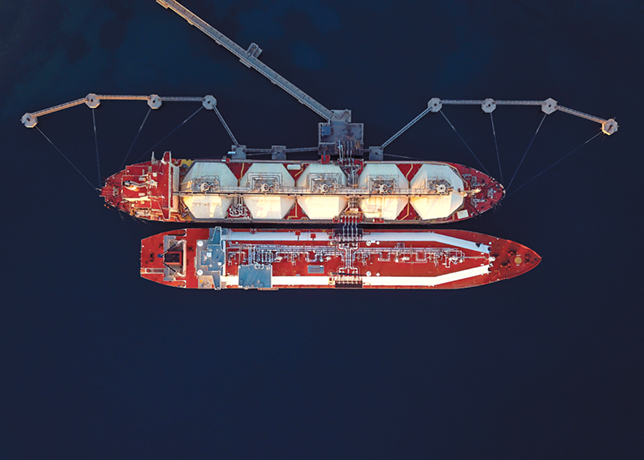
Highlighting Bahrain’s experience, the minister cited the
Kingdom’s investment in an LNG terminal as an example of infrastructure that
provides an additional and secure option for maintaining energy supplies and
meeting demand when required.
Dr. Bin Dainah also pointed to the Gulf Petrochemical
Industries Company (GPIC) as a successful example of strategic GCC cooperation.
The company is jointly owned by Saudi Basic Industries
Corporation (SABIC), Kuwait’s Petrochemical Industries Company (PIC) and Bapco
Energies, demonstrating how regional resources, expertise and investment can be
combined to develop competitive industrial ventures.
He further referred to a study examining the establishment
of an aromatics plant using refinery outputs.
The proposed project forms part of efforts to strengthen
manufacturing capabilities and expand downstream industries by creating greater
value from existing resources.
According to Dr. Bin Dainah, such initiatives demonstrate an
advanced level of GCC integration across petrochemical value chains, while
highlighting the potential of shared resources and expertise to support
strategic industrial projects and sustainable economic growth.
The minister also called for the launch of a unified
GCC-wide recycling initiative to address industrial waste and promote the
development of a circular economy.
He proposed treating industrial waste as “secondary
resources” and leveraging the combined economic scale of GCC countries to
attract major investments and advanced technologies in materials processing and
recycling.
He concluded by stressing the importance of harmonising
environmental standards across the GCC.
A unified regional approach, he said, would strengthen the
readiness and competitiveness of Gulf industries as global environmental
requirements increase and support the transition towards a more sustainable,
resource-efficient industrial economy.
The discussions at the Made in GCC Forum highlighted the growing importance of regional cooperation in developing resilient supply chains, expanding value-added industries and positioning Gulf economies to capture new opportunities emerging from the global shift towards sustainability and green industrial development. -TradeArabia News Service