














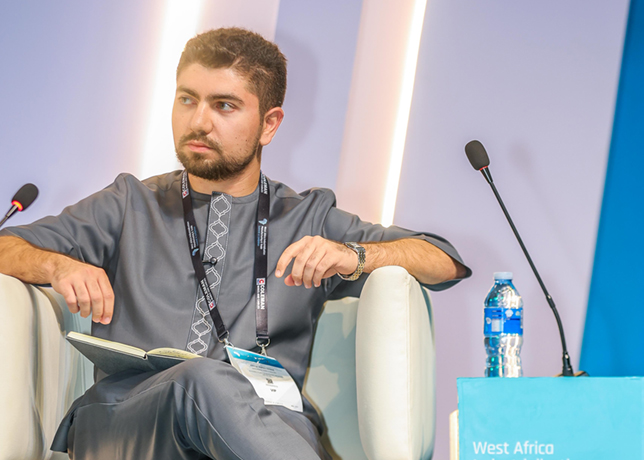







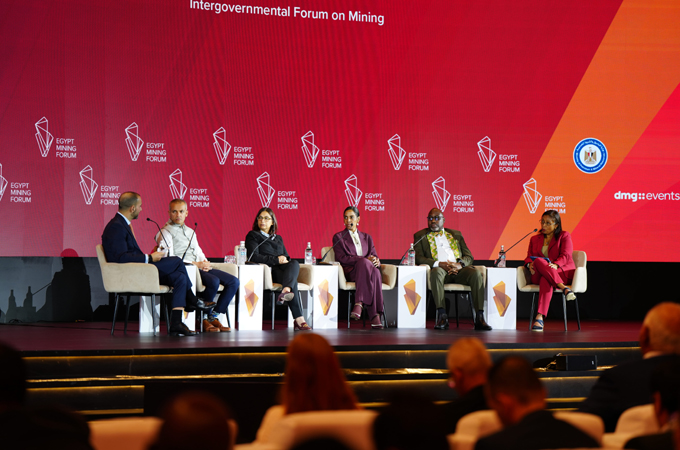
Egypt Mining Forum 2026 concluded at The St. Regis New Capital in Cairo following its largest edition to date, bringing together more than 6,000 participants from over 50 countries to discuss mineral exploration, investment and the development of Egypt’s mining sector.
Held under the
patronage of President Abdel Fattah El Sisi, who inaugurated the event on 28
September, the fifth edition was hosted by the Ministry of Petroleum and
Mineral Resources, supported by the Mineral Resources and Mining Industries
Authority (MRMIA), and organised by dmg events. The two-day forum attracted
more than 500 conference delegates, 100 speakers and 100 exhibiting companies.
The event placed
Egypt’s mining reforms and investment ambitions at the centre of discussions
between government officials, international mining companies, investors and
industry experts. Egypt aims to increase mining’s contribution to around 6% of
gross domestic product (GDP), supported by regulatory reforms, renewed
exploration and greater domestic processing and downstream value creation.
Government outlines
mining investment strategy
Petroleum and Mineral
Resources Minister Karim Badawi outlined plans to attract exploration companies
and advance projects from discovery to development and production. Reforms to
licensing, fiscal terms, fees, permitting and investor services are intended to
strengthen confidence and create a more competitive investment environment.
President El Sisi
emphasised the government’s commitment to supporting private-sector investment,
stating: “We affirm the Egyptian State's commitment to ensuring the success of
investments by companies and business leaders, whether in mining or any other
sector.”
The opening programme
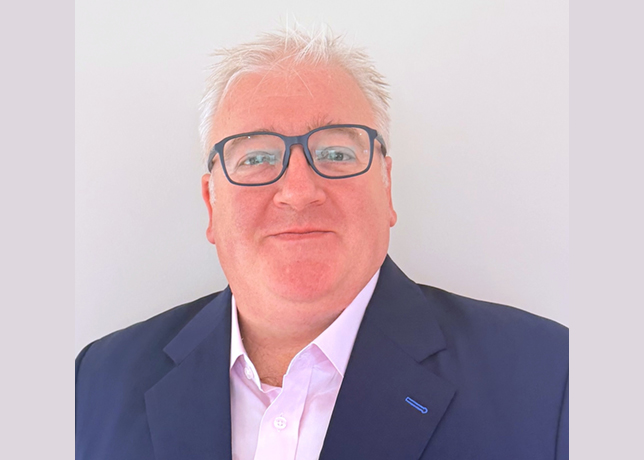
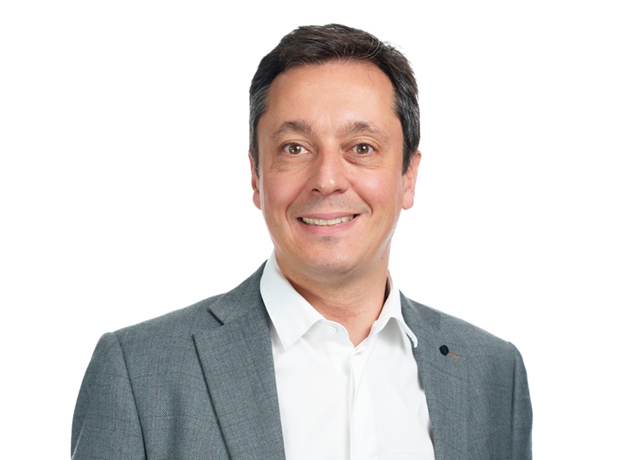
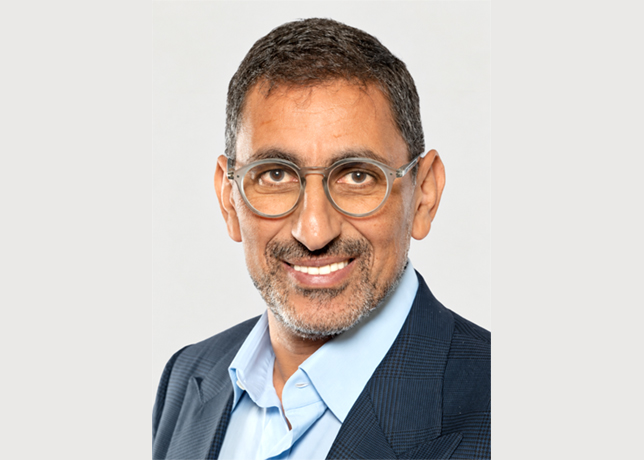
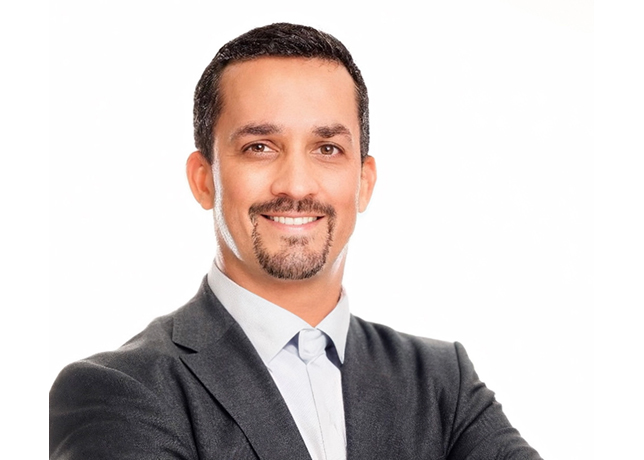
featured international industry leaders, including Alberto Calderon, CEO and
executive director of AngloGold Ashanti; Doug Horak, CEO of the
Australia-Africa Minerals & Energy Group; Rohitesh Dhawan, president and
CEO of the International Council on Mining and Metals; and Namrata Thapar,
global director of metals and minerals at the World Bank Group.
Their contributions
examined Egypt’s investment potential, international partnerships, critical
minerals and the policy conditions needed to unlock mineral resources.
Ministerial
participation from across Africa and the Middle East reinforced the forum’s
regional significance. Representatives included Egypt’s Industry Minister
Khaled Hashem; Democratic Republic of the Congo Mines Minister Louis Watum
Kabamba; Saudi Arabia’s Vice Minister of Mining Affairs Khalid bin Saleh
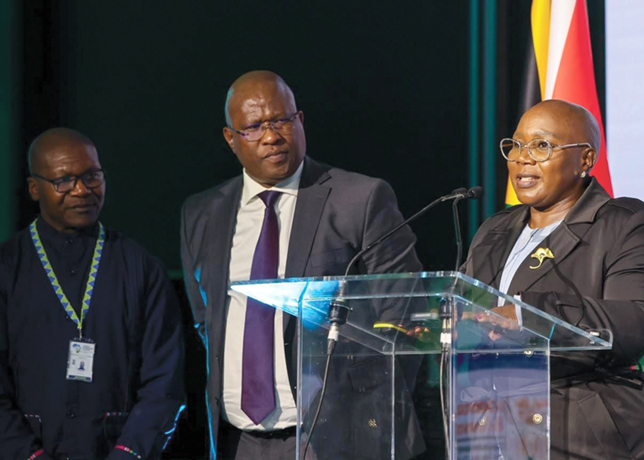
Al-Mudaifer; Tanzania’s Minerals Minister Anthony P. Mavunde; Uganda’s Minister
of State for Mineral Development Phiona Nyamutoro; Tunisia’s Acting Minister of
Industry, Mines and Energy Slah Zouari; Kenya’s Cabinet Secretary for Mining,
Blue Economy and Maritime Affairs Hassan Ali Joho; and Sierra Leone’s Deputy
Minister of Mines and Mineral Resources Foday Mousa Fofana.
Open Blocks system
drives exploration interest
Exploration emerged as
a central theme, with Egypt’s Open Blocks system attracting 119 companies and
403 offers across 118 mining blocks during its first three months.
The initiative aims to
improve access to geological information, streamline licensing and encourage
modern exploration technologies. Discussions focused on converting interest
into discoveries, commercially viable projects and long-term production.
Participants also
examined the mineral potential of the Arabian-Nubian Shield, which spans parts
of northeastern Africa and the Arabian Peninsula. Its geological resources,
combined with competitive regulation, infrastructure and processing
capabilities, could help Egypt attract investment as global demand for new
mineral supply sources increases.
Critical minerals and
resilient supply chains featured prominently, reflecting the industry’s growing
focus on securing resources for industrial development and the energy
transition. Participants highlighted the importance of competitive regulatory
frameworks and stronger regional cooperation in attracting capital and
increasing the economic benefits retained by producing countries.
Gold and downstream
processing remain priorities
Gold remained a major
focus, reflecting Egypt’s established production base and renewed international
interest in exploration beyond the Sukari mine.
AngloGold Ashanti has
indicated plans to expand its exploration activities in Egypt, signalling
further interest in the country’s mineral potential. Discussions also
highlighted responsible production, refining capacity and stronger domestic
supply chains.
Beyond gold, Egypt
aims to capture more value from phosphates and industrial minerals by expanding
processing, manufacturing and downstream industries. The strategy seeks to move
the sector beyond raw material extraction towards activities that generate greater
economic returns, support industrial development and create opportunities
throughout the mining value chain.
Achieving the
government’s target of increasing mining’s contribution to around 6% of GDP
will depend on attracting sustained investment, advancing exploration projects
and developing the infrastructure and processing capacity needed to
commercialise discoveries.
Regional cooperation
gains momentum
The launch of the
African Minerals Regulatory Authorities Forum (AFMRA) in Cairo reinforced
efforts to improve cooperation among African mining regulators.
The initiative aims to
strengthen regulatory collaboration and support competitive, investment-ready
mining jurisdictions across the continent. Greater coordination could help
countries address shared challenges, attract international investment and increase
the value generated from mineral resources.
The forum’s
international participation reflected growing interest in Egypt’s mining sector
and the wider opportunities presented by regional mineral development.
Industry participation
supports sector ambitions
The event received
support from a broad group of international and Egyptian companies and
institutions.
Partners included AFAQ
Mining, AngloGold Ashanti, EBDAA Gold Mines, Saudi Arabia’s Ministry of
Industry and Mineral Resources, SAM Precious Metals and Saudi Gold Refinery Co.
Diamond sponsors
included AkhGold, ARGAS, Aton Resources, Capital, Elsewedy Electric, Genesis
Mining, Huawei, Komatsu, MovingFert and Xcalibur Smart Mapping. Platinum
sponsors included Alwadi, Geodrill, Lotus Gold Corporation, Red Sea Resources
and Shell Lubricants.
Gold sponsors included
CNBM Sinoma, the Egyptian Company for Mineral Resources, the Egyptian Marketing
Co. for Phosphate and Fertilizers, Misr Phosphate, Petrojet, Shalateen Mineral
Resources Co., SCMS and WADICO.
Silver sponsors
included ALS, CyPlus, Enppi, Mantrac, Metso, the National Institute of
Oceanography and Fisheries, Polyserve Fertilizers, Pyramids and Tsurumi Pump.
Armada Iveco, AVEVA and the Egyptian Maintenance Company were bronze sponsors.
As Egypt Mining Forum 2026 concluded, the focus remained on accelerating exploration, strengthening investor confidence and increasing the economic value generated from the country’s mineral resources. With reforms advancing and international interest growing, Egypt aims to establish a more competitive mining sector and strengthen its position within the Arabian-Nubian Shield and the global minerals industry. -OGN/TradeArabia News Service