







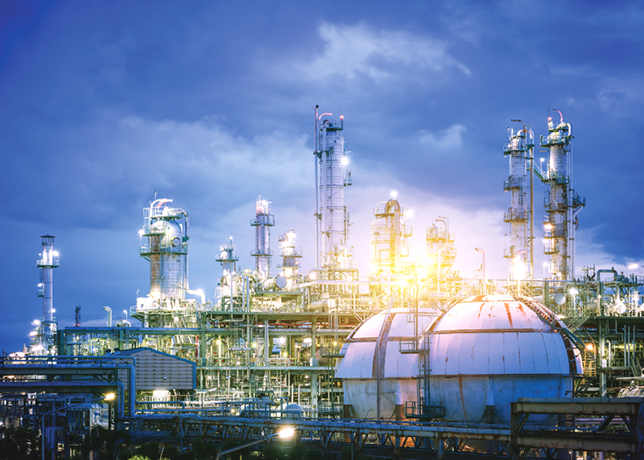







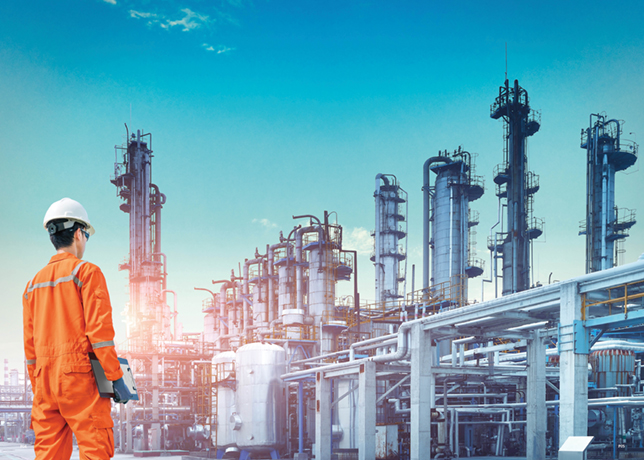

Africa will need at least $125 billion in investment in oil refining through 2050, including funding for new projects, existing facilities and maintenance, said an OPEC official at a key event in South africa as the continent's oil demand is projected to outpace refining capacity.
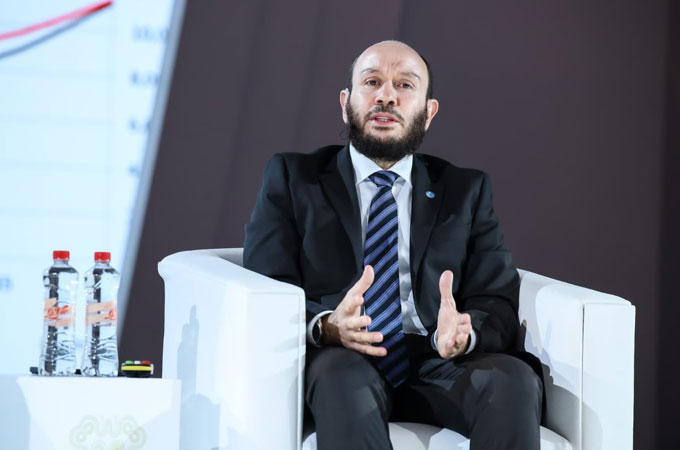
Abderrezak Benyoucef, head of OPEC's Energy Studies Department, presented the estimate during a discussion at African Energy Week 2026 in Cape Town, where the organisation also distributed copies of a new study on Africa's medium- and long-term energy outlook.
African refineries currently operate at around 55% utilisation, processing less than 3 million barrels per day (bpd), Benyoucef said.
OPEC has estimated that the continent's distillation capacity will increase by 3.2 million bpd to about 7.9 million bpd by 2050, with utilisation rising to around 80%.
However, capacity growth is expected to fall short of projected demand, with African oil consumption forecast to rise to 9.2 million bpd by 2050 from 4.9 million bpd currently.
In a video address to delegates, OPEC Secretary General Haitham Al Ghais said Africa's population was projected to grow by about 917 million by 2050, while its economy was expected to expand by an average of 4.4% annually, faster than any other region.
The continent holds an estimated 120 billion barrels of proven crude oil reserves and 18 trillion cubic metres of proven natural gas reserves, Al Ghais said, calling for greater access to financing for energy projects tailored to individual countries' needs.
Africa should not be expected to sacrifice development and energy security to address a climate problem it had contributed relatively little to creating, he said.
OPEC estimates that African liquids supply currently stands at about 7.6 million bpd, representing roughly 7% of global output. Supply from African producers outside the Declaration of Cooperation is projected to rise to 3 million bpd by 2050 from 2.3 million bpd in 2025.