




























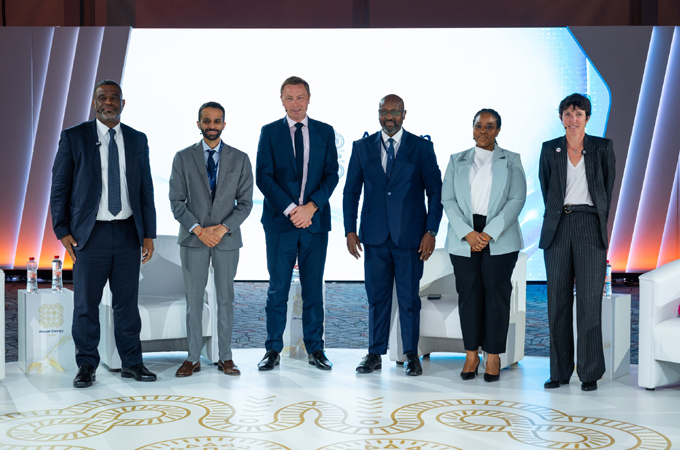
International oil companies operating in South Africa have called for regulatory reforms, faster licensing decisions and infrastructure investment to unlock the country’s upstream potential and reduce reliance on imported fuels.
Speaking during a panel sponsored by the South African
National Petroleum Company (SANPC) at African Energy Week 2026, industry
leaders highlighted regulatory appeals and policy uncertainty as key barriers
to investment in exploration, gas development and downstream infrastructure.
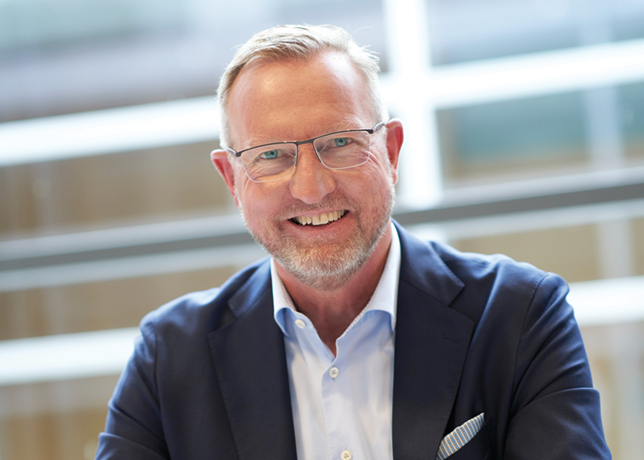
Magali Pailhé, Managing Director of TotalEnergies EP South
Africa, said delays caused by regulatory appeals were holding back offshore
exploration, particularly in the Orange Basin.
“Today, we have blocks offshore in the Orange Basin that
TotalEnergies has proven in Namibia, but are blocked in various stages of
appeal. We need to unblock these so the potential can be realized,” she said.
“In Namibia, 25 wells have been drilled since 2022, while in South Africa, only
three since 2014. The industry is here, but the appeals need to be addressed to
allow investment to flow.”
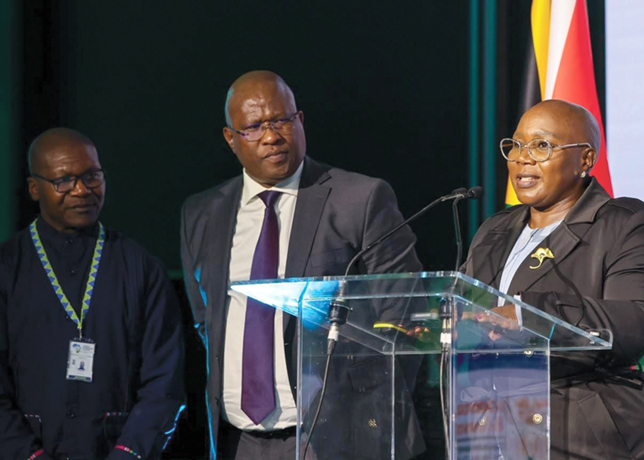
South Africa’s Deputy Minister of Mineral and Petroleum
Resources, Phumzile Mgcina, acknowledged the need to translate resource
potential into economic benefits through investment, infrastructure and
stronger policy frameworks.
“We have the resources but have not yet converted enough of
them into energy, economic opportunities and improved livelihoods. We need
investment, infrastructure and policy incentives,” she stated.
Godfrey Moagi, SANPC CEO, outlined the company’s strategy
across exploration, gas development, refining and distribution.
He cited estimates of 27 billion barrels of crude resources
and 260-300 trillion cubic feet of gas, highlighting the country’s potential to
expand domestic production.
Downstream investment is also a priority, with imports now
meeting approximately 61% of South Africa’s fuel demand, up from 22% in 2019,
according to the Central Energy Fund.
Funlola Abe Folukoya, Head of Trading & Origination at
bp Southern Africa, called for consistent policies and infrastructure linking
coastal import terminals to inland markets.
“Policy is a non-negotiable and is absolutely required to
unlock the investment needed in the downstream and fuels market,” she said. bp
recently secured a 25-year agreement covering operations at Durban’s Island
View Terminal.
Bader Al Lamki, ADNOC Distribution CEO, also stressed the
need for transparent, investment-friendly policies. The company has agreed to
acquire Shell Downstream South Africa in a transaction valued at approximately
$1 billion, subject to regulatory approvals.
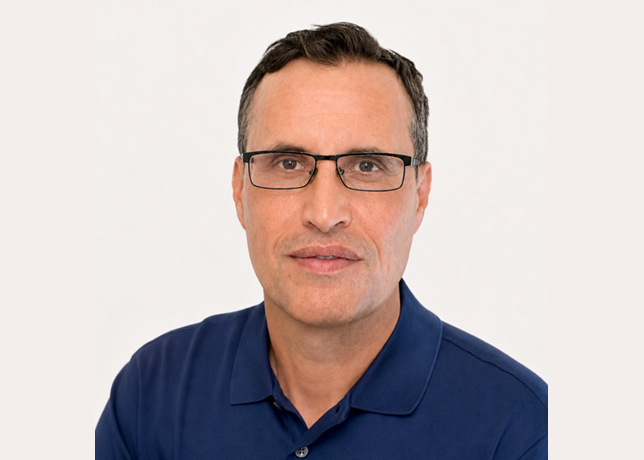
Meanwhile, Anish Patel, ExxonMobil’s South Africa Business
Development Executive, warned that declining pipeline gas supplies from
Mozambique and rising gas-to-power demand could widen the country’s supply
deficit.
With gas demand potentially more than tripling by 2050, he
identified liquefied natural gas (LNG) imports as a key option.
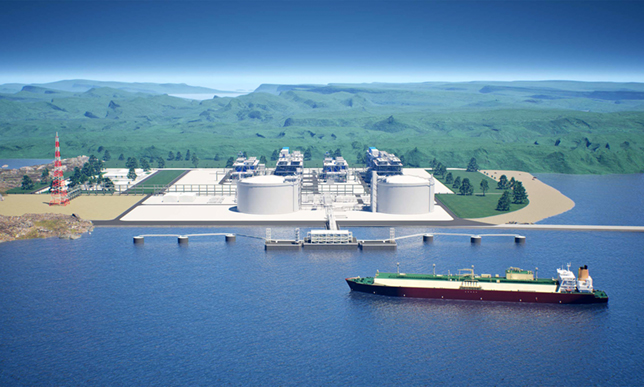
ExxonMobil has signed a heads of agreement with Zululand
Energy Terminal for a proposed LNG import facility at Richards Bay.
Afreximbank’s Andrew Masuwa highlighted the bank’s $14 billion South Africa country programme as a potential source of financing for refining and infrastructure projects, noting opportunities to rebuild domestic processing capacity and reduce fuel import dependence. -OGN/TradeArabia News Service