









































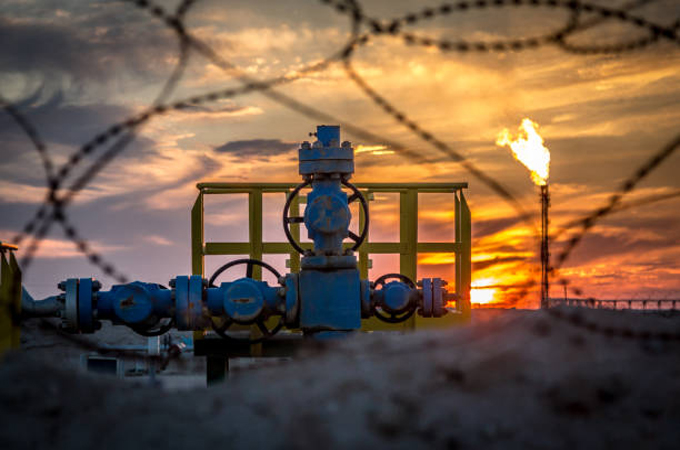
 Image by Sasacvetkovic33/ iStock
The African Development Bank (AfDB) has recommended Congo to introduce an automatic mechanism to capture additional oil revenues when crude prices exceed budget assumptions, as the country seeks to strengthen fiscal stability, reduce debt and attract investment into its energy sector.
The recommendation, outlined in the bank’s 2026 Country
Report, proposes directing excess hydrocarbon revenues towards debt reduction
through a transparent, rules-based framework aligned with Extractive Industries
Transparency Initiative principles.
The bank also recommends suspending new oil-backed borrowing
to limit long-term financial risks.
The proposed reforms come as Congo remains heavily dependent
on oil exports, leaving government finances vulnerable to fluctuations in
international crude prices.
Hydrocarbons account for the majority of export earnings and
a substantial share of public revenue, making effective management of oil
income critical to economic stability and development spending.
Oil revenue shortfalls highlight fiscal pressures
Congo’s fiscal position came under pressure in 2025, when
oil revenues reached approximately CFAF 1,031.6 billion, falling short of the
budget forecast of CFAF 1,230.1 billion and the CFAF 1,190 billion recorded in
2024.
Lower oil prices
contributed to the shortfall, highlighting the risks of relying on volatile
commodity revenues to finance public expenditure.
The country’s debt burden adds to these challenges. Public
debt stood at approximately 97 per cent of gross domestic product in 2025,
according to the AfDB, with debt-service obligations restricting government
liquidity and its capacity to finance infrastructure and development
programmes.
The bank projects that debt could fall to around 85 per cent
of GDP by 2027, although the outlook remains dependent on hydrocarbon revenues
and wider economic conditions.
Capturing oil windfalls and prioritising debt repayment
could help improve fiscal resilience when prices rise, while reducing exposure
to future downturns.
Diversification key to attracting investment
Beyond fiscal reform, Congo faces the challenge of reducing
its dependence on hydrocarbons and strengthening domestic production.
The country imports approximately 70 per cent of its food
products, leaving consumers and businesses exposed to fluctuations in
international food, energy and transport costs.
Limited domestic refining capacity has also contributed to
reliance on external supplies.
The World Bank has called for faster economic
diversification, stronger mobilisation of non-oil revenues and tighter control
of public spending to support more sustainable growth.
Private investment could play a significant role in that
transition.
A recent International Finance Corporation diagnostic
identified four priority industries with potential to attract up to $1.4
billion in private investment and generate 22,200 jobs by 2030.
These include wood processing, port logistics, corn milling
and aquaculture, provided regulatory and infrastructure constraints are
addressed.
For Congo, the challenge is to sustain investment in oil and
gas while creating the conditions for broader industrial development.
More predictable management of hydrocarbon revenues could
improve public investment planning, while lower debt and a stronger business
environment could help attract private capital.
As the government prepares its 2027 fiscal framework,
progress on oil revenue management, debt reduction and economic diversification
will be important indicators of its ability to support long-term energy
investment and wider economic growth. -OGN/TradeArabia News Service