










































Ethiopia’s expanding electricity generation capacity and abundant renewable energy resources offer significant opportunities for economic growth and regional power trade, but improving supply reliability, expanding energy access and mobilising investment remain key priorities, according to a new review by the International Energy Agency (IEA).
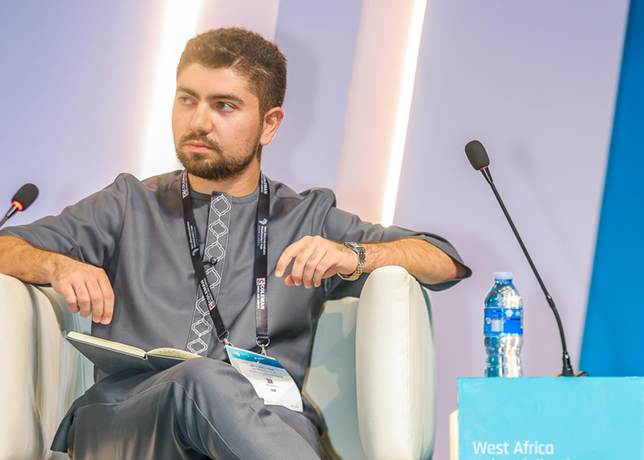
The findings of the IEA’s Energy Policy Review were
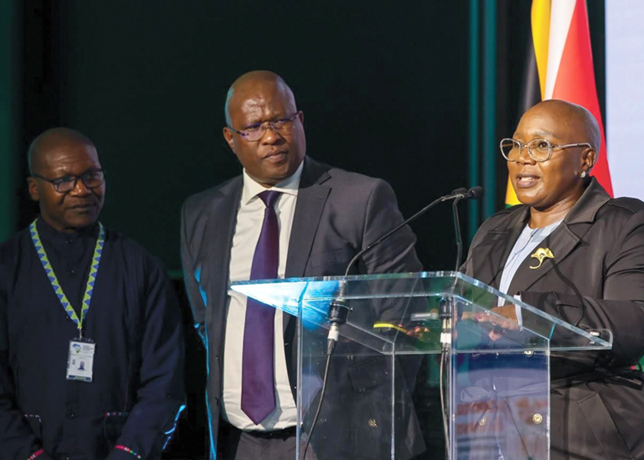
presented on 27 October by Syrine El Abed, IEA Africa Programme Manager, during
the Energy Day of Ethiopian Water and Energy Week.
The report highlights the need for stronger policy
coordination, clearer institutional responsibilities and improved energy data
to translate infrastructure investments into reliable and affordable services.
Ethiopia’s electricity access rate increased from around 12
per cent in the early 2000s to approximately 35 per cent in 2024.
However, around 85 million people remain without access
under the IEA’s basic service definition, with rural communities facing
particular challenges.
Achieving national targets of 75 per cent electricity access
by 2030 and universal access by 2035 will require continued grid expansion,
off-grid solutions and measures to make connections more affordable.
High network losses and unreliable electricity supplies
continue to constrain households and businesses.
The review calls for grid modernisation, improved utility
performance and integrated power system planning to ensure that rising
generation capacity translates into dependable services.
Renewable Energy and Diversification
Renewables accounted for around 90 per cent of Ethiopia’s
total energy supply in 2024, largely due to bioenergy, which remains the
predominant cooking fuel.
Hydropower is the backbone of electricity generation, while
substantial solar, wind and geothermal resources offer opportunities to
diversify the energy mix and reduce exposure to climate-related and
hydrological risks.
The Grand Ethiopian Renaissance Dam (GERD) has significantly
increased generation capacity, strengthening Ethiopia’s potential as a regional
electricity supplier. However, financing constraints, infrastructure gaps and
foreign exchange limitations continue to impede renewable energy development.
The country’s reliance on imported petroleum products also
leaves its economy exposed to international fuel price volatility.
The IEA recommends expanding renewable energy applications
in agriculture and industry, exploring domestic natural gas where appropriate
and strengthening regional electricity trade to improve energy security and
generate export revenues.
Clean Cooking Remains a Major Challenge
Expanding clean cooking access is another priority, with
around 120 million people still relying on traditional cooking methods in 2024.
Access stood at just 7 per cent, while Ethiopia aims to
reach 58 per cent by 2030 and 76 per cent by 2035, primarily through electric
cooking and advanced biomass stoves.
The review recommends targeted financial assistance,
consumer financing and stronger supply chains to address high upfront equipment
costs.
Integrating clean cooking into electricity planning will
also be essential to accommodate additional demand and maintain reliable supply
as more households adopt electric cooking.
Investment Needed to Meet Energy Targets
The IEA said delivering Ethiopia’s ambitions will require
greater investment from both public and private sources.
Financing has largely
focused on public-sector projects and grid-connected renewables, while clean
cooking investment remains limited.
High financing costs and foreign exchange constraints
continue to hinder project development despite reforms to improve the
investment environment.
The report recommends improving project bankability,
reducing investment risks and expanding concessional and blended finance,
alongside stronger institutional coordination and energy data systems.
As host of COP32 in 2027, Ethiopia also has an opportunity
to raise the profile of African energy and climate priorities internationally.
The IEA said sustained investment, diversified energy supplies and effective policy implementation will be essential to improving living standards and strengthening regional integration. -OGN/TradeArabia News Service