




















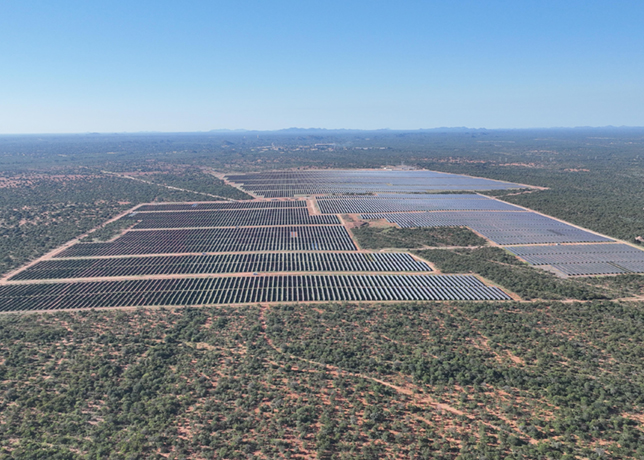

























Southeast Asia could increase its installed renewable energy capacity to nearly three terawatts by 2050 through cumulative investment of $2.5 trillion, strengthening energy security, supporting industrial growth and reducing reliance on fossil fuel imports, according to the International Renewable Energy Agency (IRENA).
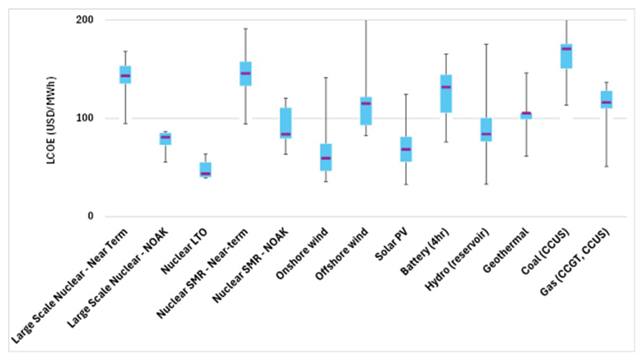
Renewable energy continues to offer a cost advantage over
fossil fuels, with more than 90 per cent of utility-scale renewable capacity
added globally in 2025 generating electricity at a lower cost than the cheapest
new fossil fuel alternative.
The region’s existing renewable energy capacity has already
helped Indonesia, Thailand and the Philippines save approximately $5.7 billion
in coal and gas purchases, highlighting the economic benefits of expanding
clean power generation.
Rapid economic growth, industrialisation and urbanisation
are expected to drive electricity demand across the Association of Southeast
Asian Nations (ASEAN).
The growing number of data centres supporting artificial
intelligence (AI) and digital services is also expected to add to regional
demand, as Southeast Asia emerges as a hub for digital infrastructure.
IRENA’s World Energy Transition Outlook 2026: 1.5°C
Pathway estimates that electricity will account for 53 per cent of ASEAN’s
final energy consumption by 2050.
Buildings are expected to record the highest electrification
rate, exceeding 80 per cent, while transport electrification is projected to
rise to just above 32 per cent.
Meeting this demand will require expanded renewable
generation, modernised electricity grids, additional energy storage and
stronger cross-border power connections.
Investment and Infrastructure Priorities
With cumulative investment of $2.5 trillion between 2026 and
2050, Southeast Asia could achieve nearly three terawatts of installed
renewable capacity, reaching a 90 per cent renewable energy share in the power
sector, according to the outlook.
ASEAN has already installed approximately 124 gigawatts (GW)
of renewable power capacity cumulatively, adding 11 GW in 2025, an increase of
nearly 10 per cent compared with 2024.
However, further expansion will require substantial
investment in generation, transmission infrastructure, electrification and
energy storage, alongside supply chains that support the transition.
The shift is also expected to reshape employment across the
regional economy.
While fossil fuel industries may experience job losses, new
opportunities are anticipated in other sectors, particularly agriculture,
partly driven by biofuel development.
IRENA projects that Southeast Asia will account for 5.5 per
cent of the three million renewable energy jobs expected globally by 2050, with
solar energy playing a major role in regional employment growth.
Regional Partnership to Accelerate Transition
To support the transition, IRENA has developed the
Accelerated Partnership for Renewable Energy in Southeast Asia (APRESA),
building on its partnership approach in other regions and providing an
operational framework for implementing the IRENA-ASEAN Memorandum of
Understanding.
The initiative aims to accelerate national and regional
renewable energy development, strengthen electricity interconnectivity in line
with the ASEAN Power Grid ambition, and promote green industrialisation.
APRESA is structured around four pillars: strengthening
energy infrastructure; improving policy, institutional and regulatory
frameworks; promoting green industrialisation and local value creation; and
mobilising private-sector investment.
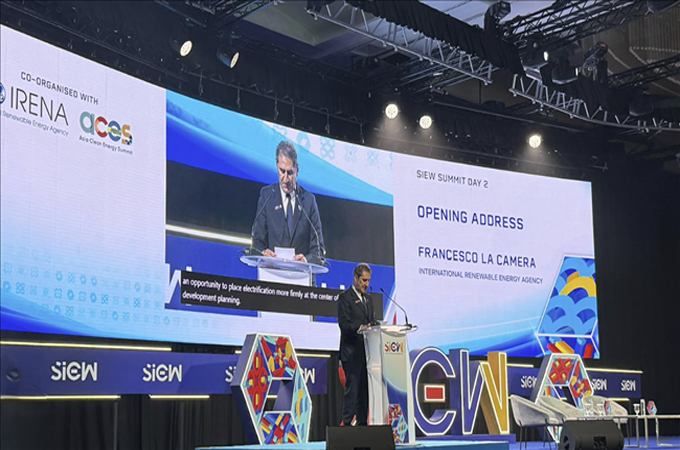
The partnership is also expected to feature in discussions
at the Singapore-IRENA High-Level Forum during Singapore International Energy
Week, focusing on measures to translate regional ambitions into practical
action.
Green Industrial Growth
IRENA’s outlook highlights the importance of aligning
national policies, investment strategies and regional partnerships to expand
renewable energy and improve electricity connectivity across ASEAN.
Greater cross-border integration could help countries share
renewable resources, improve system flexibility and support reliable
electricity supplies as demand increases.
The agency’s assessment underscores the opportunity for Southeast Asia to combine its renewable energy potential with infrastructure investment and regional cooperation to reduce fossil fuel dependence and support a more competitive, sustainable industrial economy by 2050. -OGN/TradeArabia News Service