

















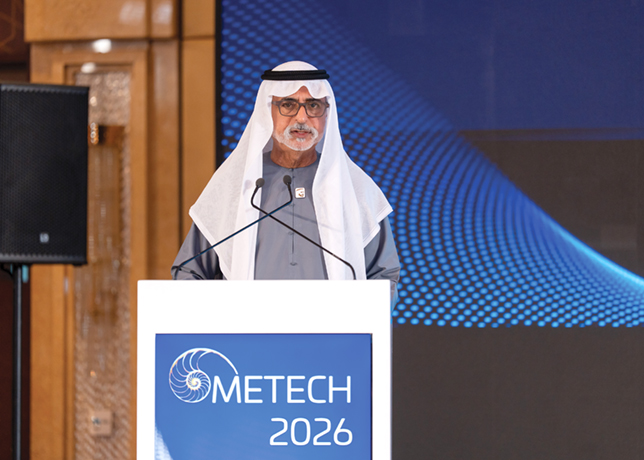



















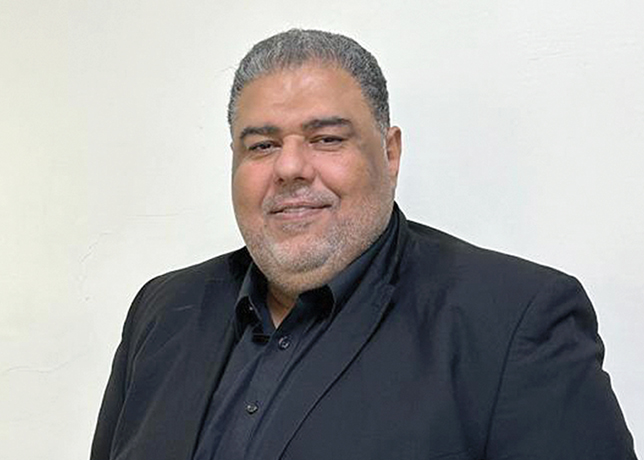





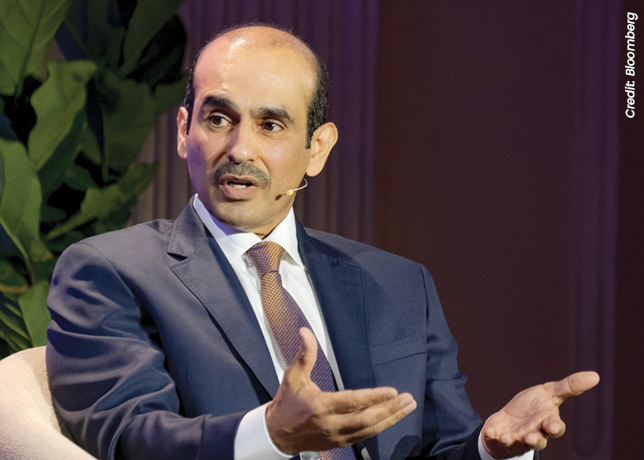
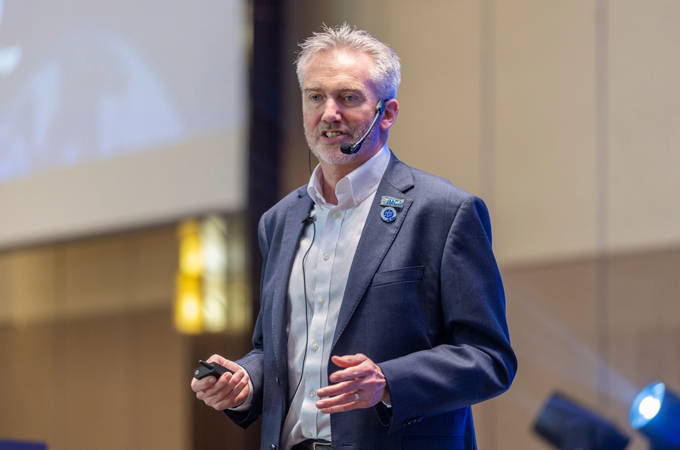
 Iain Grainger, Chief Executive Officer of IMCA
The International Marine Contractors Association (IMCA) has launched IMCA 2030, a four-year strategy aimed at strengthening its role in supporting the offshore construction industry amid technological advances, the energy transition and changing regulatory requirements.
Unveiled at the IMCA Global Summit in Antwerp, Belgium, the
strategy sets out priorities for the association as the sector faces growing
demand for digitalisation, automation, sustainability and skilled workers.
Representing more than 850 members across 66 countries, IMCA
has supported the offshore construction industry for more than 50 years through
technical leadership, collaboration and internationally recognised good
practice.
IMCA 2030 is built around three strategic pillars:
advocating for technical excellence and standardisation; championing a safe,
skilled and diverse workforce; and supporting sustainability and operational
efficiency.
These priorities will guide the association’s investments,
services and activities over the next four years.
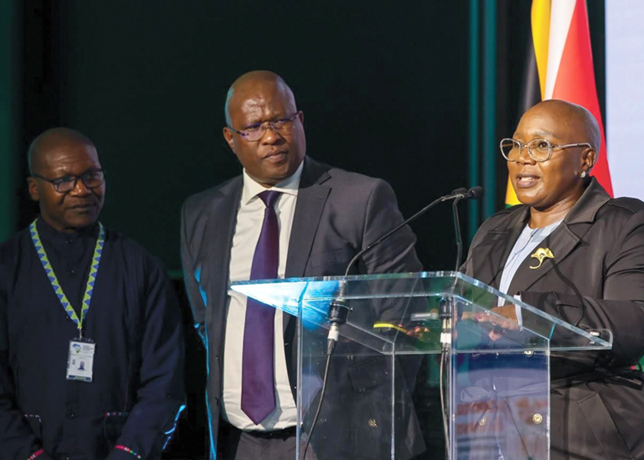
Iain
Grainger, CEO of IMCA, said: “The offshore construction industry is
entering a period of profound change. New technologies, changing energy
markets, and increasing regulatory demands are reshaping our sector, while
competition for the next generation of skilled people continues to grow.”
He added: “IMCA 2030 is our response to these challenges and
opportunities. It sets out a clear vision for how we will champion, protect,
and support our industry and its workforce, ensuring it remains safe,
sustainable, and fit for the future.”
Grainger
concluded: “The strategy reinforces our commitment to technical excellence,
skills and competence, sustainability, and stronger advocacy, while ensuring we
continue to deliver practical value for our members worldwide.”
Under the strategy, IMCA will maintain its position as a
global authority in diving, dynamic positioning, safety and remotely operated
vehicle (ROV) operations.
It will also build on its expertise in offshore survey,
lifting and rigging, while helping members address evolving digital security
threats.
The association’s marine division will receive further
support, with increased focus on autonomy and remote operations,
decarbonisation and offshore wind.
IMCA will also continue investing in eCMID, its safety
management system health check for offshore vessels.
Workforce development will be another major priority.
Planned initiatives include a campaign to raise awareness of offshore careers,
expanded support for early-career professionals through the Next Generation
Network, and a more integrated competence management system to support
continuing professional development across the global workforce.
Digital logbooks and the IMCA Skills platform will form part
of these efforts, offering on-demand access to training, professional
development and competence assurance.
The strategy also emphasises collaboration and knowledge
sharing to help members address sustainability challenges and improve
operational efficiency through practical guidance.
On policy and advocacy, IMCA plans to build on its
longstanding engagement with the International Maritime Organisation (IMO) by
strengthening dialogue with the European Union, national governments and
regulators.
The association will promote coordinated, practical
regulation designed to improve safety, efficiency and decarbonisation while
supporting industry growth and avoiding unnecessary complexity and cost.
Developed following extensive member engagement, IMCA 2030
also aims to increase regional participation and give members greater influence
over technical guidance and the association’s future direction.
A new Membership Committee, reporting directly to the IMCA
Board, will support this objective.
Previously announced membership changes are scheduled to
take effect in January 2027.
The revised framework is intended to simplify membership arrangements, improve transparency and access to technical resources, and better reflect the changing needs of the offshore energy industry. -OGN/TradeArabia News Service