





























































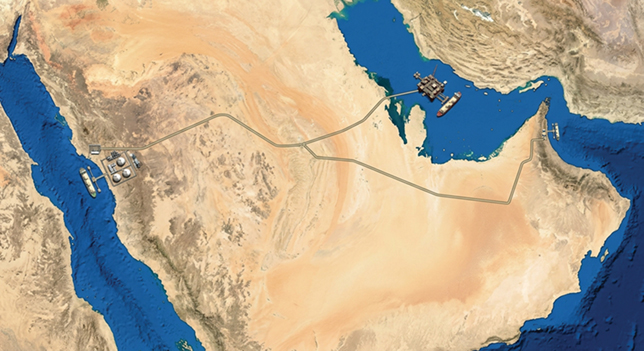



Global biofuel demand has surged significantly in 2026 because of the US-Israeli conflict with Iran and the subsequent disruptions to shipping in the Strait of Hormuz and more recently in the Red Sea.
With year-to-date average dated Brent crude oil prices spiking by roughly 25 per cent above 2025 prices and energy shortages developing, governments worldwide are accelerating fuel blend mandates and expanding biofuel production to secure energy supplies.
This combination of increased crude prices and energy supply security concerns has materially improved the economic case for biofuels, encouraging supportive government policies, and driving greater investment and demand across the biofuel value chain.
The sectors that typically benefit from prolonged Middle East energy disruptions include ethanol producers, biodiesel and renewable diesel manufacturers, agricultural feedstock suppliers (soybean, canola, palm oil, corn, sugarcane), sustainable aviation fuel (SAF) producers, and biofuel infrastructure and storage companies.
Despite the substantial growth in their consumption, biofuels account for only a small percentage of global transport energy demand and are unlikely to have any material negative impact on global demand for crude-oil-derived fuels, particularly given the widening of the crude oil supply/demand gap since the start of Middle East conflict.
Moreover, the growth in demand is sensitive to crude oil prices, which will likely have to stay higher for longer for current growth rates to be maintained.
Indeed, the large integrated energy issuers in our portfolio may view the growth in biofuels consumption more as a business opportunity than a threat.
IMPROVED ECONOMIC CASE FOR BIOFUELS: BUT IS THIS SUSTAINABLE?
Global biofuel consumption is projected to surge by 30 per cent this year with material upside potential persisting till 2030, driven by higher oil costs, geopolitical supply shocks, and new government fuel-blending mandates.
With fossil fuels becoming more expensive, alternatives such as ethanol, biodiesel, and renewable diesel have become economically more attractive.
For context, the substantial risk in crude prices linked to Middle East tensions has boosted demand for palm-oil-based biodiesel because it has become relatively cheaper than petroleum diesel.
However, the biofuel industry has previously witnessed a classic boom-and-bust cycle.
Surging demand driven by government mandates, tax credits, and energy security fears lead to rapid overexpansion and plant construction in early 2000s, that was followed by corrections, margin pressures, and facility closures when supply outpaced real market demand or policy shifts.
The strong market-driven growth of the biofuels sector could moderate if lower fossil fuel prices diminish the economic competitiveness of bio-based alternatives relative to conventional refined petroleum products.
Growth could also be constrained by changes in regulatory policies or reductions in subsidies that have historically supported demand and provided a stable consumption base for biofuels.
In this commentary, we examine the key drivers underpinning the biofuels market, as well as the challenges that could limit the sector’s long-term growth trajectory.
ENERGY SECURITY CONCERNS
Many Asian and European countries depend heavily on Middle Eastern oil imports.
During periods of geopolitical instability, governments look for domestic or regional fuel sources to reduce reliance on imported crude oil.
Biofuels can be produced from local agricultural feedstocks such as corn, sugarcane, soybeans, and palm oil, improving energy resilience.
Energy agencies and industry analysts increasingly view biofuels not only as a decarbonisation tool but also as a hedge against supply disruptions.
Biofuels can be blended into existing fuel systems without major infrastructure changes, providing a relatively fast way to reduce exposure to oil-market shocks.
GOVERNMENTS INCREASE BLENDING MANDATES
Conflict-driven fuel price spikes often encourage policymakers to expand biofuel mandates to achieve energy independence and reduce costs.
Examples include higher biodiesel blending targets in countries such as Indonesia and India and increased renewable fuel requirements elsewhere.
These policies create guaranteed demand for biofuel and stimulate investment in production capacity.
After the US-Israeli attack on Iran and subsequent surge in oil prices, governments including the US, Indonesia, and Thailand have brought forward new biofuel blending targets.
At the same time, export powerhouses like Brazil and Indonesia are limiting their exports of key biofuel crops.
REGIONAL DIVERSION - EMERGING ECONOMIES LEAD DEMAND GROWTH
The US is projected to consume approximately 75.5 million metric tonnes of biofuel by 2030, maintaining its position as the world’s largest biofuel market, ahead of other major biofuel-consuming regions such as Brazil and the European Union (EU).
However, the Middle East conflict has had a more severe impact on the oil supplies to Europe and the Asia-Pacific region.
As a result, Asia is likely to account for most of the incremental global biofuel demand growth, driven by expanding blending mandates and rising fuel consumption.
In contrast, growth in Europe’s biofuel demand is likely to be led by policy changes, with consideration given to food price and deforestation concerns and a focus on higher-value advanced biofuels and SAF, resulting in slower but more specialised expansion of demand.
Emerging markets such as India, Brazil, and Indonesia are expected to be the largest contributors to additional biofuel consumption because of stronger blending requirements, growing fuel demand, and abundant feedstock resources.
A recent report from the International Energy Agency (IEA) report noted that production of liquid and gaseous biofuels in India could double by 2030 through enhanced policy actions.
GROWTH CHALLENGES PERSIST WITH FEEDSTOCK CRUNCH & LAND-USE CHANGE RISKS
While demand growth and favourable market dynamics are enhancing the attractiveness of biofuels, significant constraints to large-scale production expansion persist, including crop competition, land-use change, and resource strain.
Crops like corn, sugarcane, soybeans, and oil palms are being redirected to fuel production from food supply chains, reducing the global food supply and possibly resulting in higher food prices.
Land availability is another key limiting factor for long-term biofuel growth and constrains the expansion of conventional crop-based biofuels.
Additional land cultivation also increases demand for water, fertilisers, and other agricultural inputs.
Over the years, investments in advanced biofuel produced from agricultural residues, municipal waste, forestry waste, and non-food feedstocks have increased, and are viewed as more sustainable growth pathways.
OPPORTUNITIES FOR LARGE INTEGRATED OIL COMPANIES
Major integrated oil companies are actively investing in biofuels through renewable diesel, SAF, and ethanol projects but they have taken a selective and cautious approach to ensure profitable conversion and adequate returns on large capital investments.
ExxonMobil, BP, Chevron, Shell, TotalEnergies, and Eni currently have more than 40 biofuel projects either already operating or expected to be operational by 2030.
Many of these new projects focus on SAF production, hydrotreated vegetable oil, and renewable diesel, as governments worldwide have increased pressure on the aviation industry to decarbonise.
• ExxonMobil is focused on renewable diesel and advanced biofuels from waste feedstocks.
• Shell leverages its leading position in sugarcane ethanol and low-carbon fuels and holds the strongest SAF market position among the integrated oil majors.
• Chevron is consolidating its US renewable footprint via the acquisition of Renewable Energy Group.
• BP has strengthened its biofuel platform through large-scale ethanol production, renewable diesel operations, SAF development initiatives, and increasing its stake in its joint venture Brazilian biofuel company by taking full ownership of Bunge Bioenergia.
For large oil companies, biofuel market growth provides opportunities to diversify earnings, supports regulatory compliance, extends the value of existing refining assets, and reduces long-term energy transition risk.
However, the magnitude of the benefit depends on each company’s exposure to biofuels, feedstock availability, and ability to generate attractive returns on low-carbon fuel investments.
The credit impact on oil and gas companies is generally considered to be limited, given that biofuels still constitute a very modest share of the overall energy demand.
Online Edition: https://dbrs.morningstar.com/research/486531/global-biofuel-demand-surges-amid-middle-east-conflict-and-energy-security-concerns