












































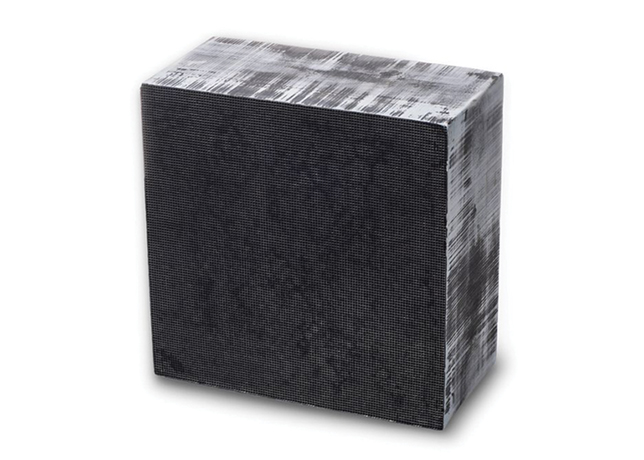
Tanaka Precious Metal Technologies has developed the MOC1-30 series, a methane oxidation catalyst designed to reduce emissions from gas engines powered by natural gas and city gas.
The catalyst addresses a key challenge in methane emissions control: sulphur, which can reduce the performance of conventional catalysts.
Tanaka said MOC1-30 maintains more than 80 per cent methane conversion after 1,000 hours of continuous operation at an inlet gas temperature of 350 deg C.
Methane has a greenhouse effect approximately 25 times greater than carbon dioxide, making its reduction an increasing global climate priority as gas-powered electricity generation and marine applications expand.
Tanaka’s technology converts sulphur absorbed on the catalyst surface into sulphur trioxide while maintaining the bond between platinum particles and the catalyst support.
This helps prevent sulphur-related performance losses and platinum particle agglomeration at high temperatures.
Testing showed methane conversion of around 90 per cent after 100 hours under conditions including 3 ppm sulphur dioxide and a 400 deg C inlet temperature.
Tanaka said the MOC1-30 also demonstrated greater durability than conventional platinum- and palladium-based catalysts.
The company expects the technology to support methane reduction in marine and stationary gas engines, including applications in emergency power and data centres.
Tanaka said the catalyst could also reduce operating costs by extending service life and lowering replacement and desulphurisation requirements.
Its integrated business model also allows used catalysts to be recovered and recycled, supporting resource circularity and industrial decarbonisation.