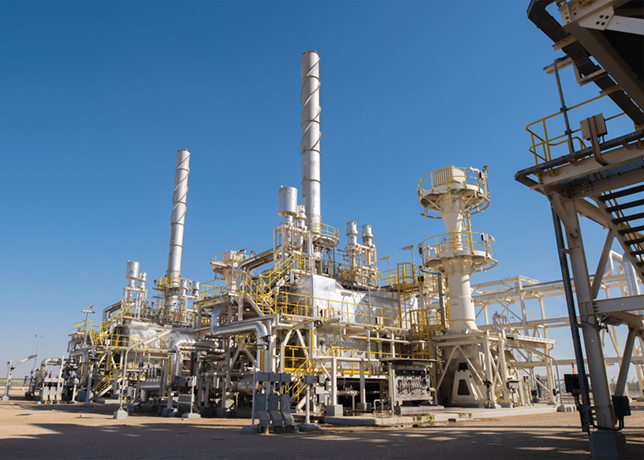








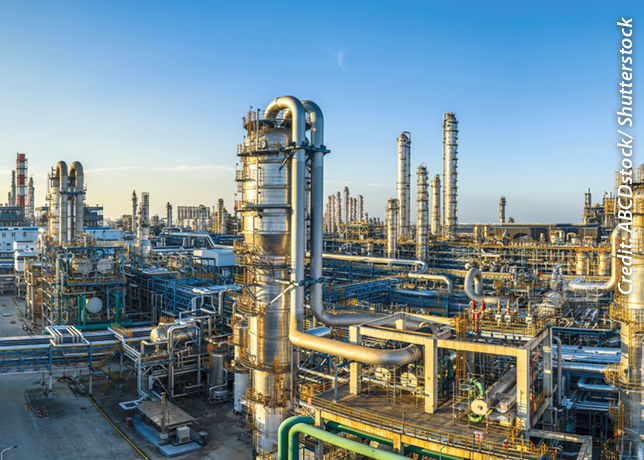

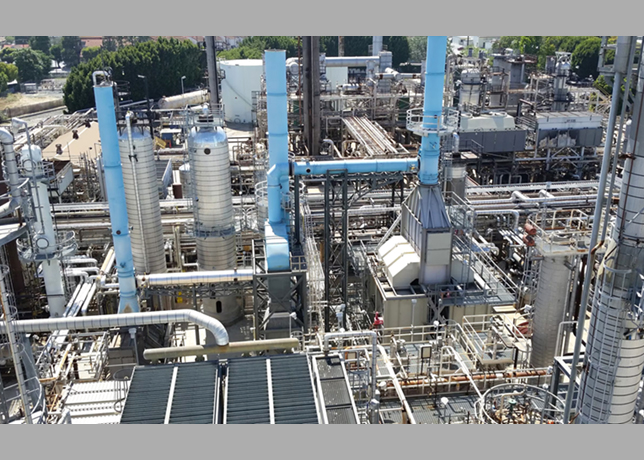









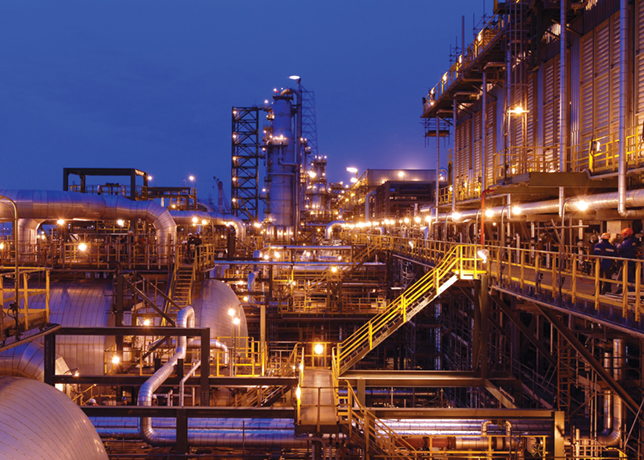





Jubail Industrial City is a Saudi model that tells the story of planning combined with the will to achieve the comprehensive civic and industrial development seen today at all local, regional and international levels.
There is no doubt that the advanced infrastructure of Jubail is the cornerstone which has allowed the various industrial commercial and social sectors to establish themselves through integrated action.
Jubail infrastructure has the capability to operate continuously without failure of power or supplies in any of the existing facilities while meeting community requirements within modern, high living standards where all the necessities of life and tourist and recreational facilities are available.
However, work is still on to upgrade and expand the infrastructure to allow the private sector to participate in the growth and development of the city.
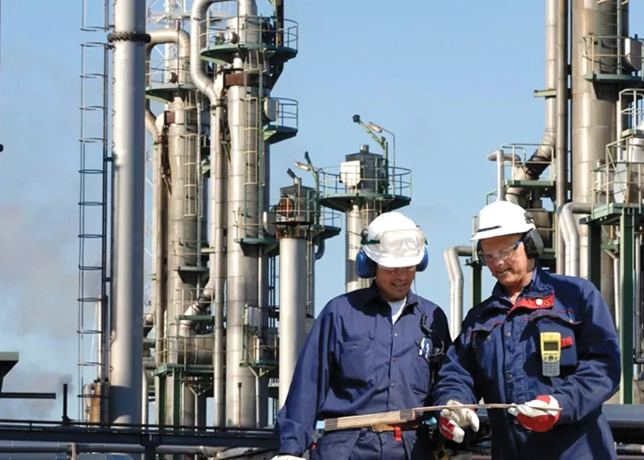
Additionally, Jubail has been able to attract the necessary Saudi operations and maintenance manpower, which has in turn, led to the establishment of a community from the various areas in Saudi Arabia. Jubail is indeed the result of the efforts of all the people of Saudi Arabia under its wise leadership.
Saudi Electric Company (SEC) supplies Jubail Industrial City with electricity for all its needs through a 1716-km network. The consumption is in the range of 831 and 1613 megawatts supplied to 16,500 consumers representing industries, households, commercial installations and public facilities.
Saline Water Conversion Corporation pumps 136,000 cubic metres of desalinated water per day to cover most of the city’s consumption. The RC desalination plants provide supplementary quantities to meet the daily requirement levels. The actual consumption level at the time of writing this report was 899,161 cu m per day pumped through a 782-km network feeding both the residential and the industrial areas.
The combined capacity of the seawater cooling pumps 960,930 cubic metres per hour.
Attained production capacity is 722,000 cubic metres per hour.
Average actual consumption during summer is 79 per cent of the production capacity.
The seawater-cooling network comprises 12 kilometres of open canals and 85 kilometres of pipes of variable diameters.
The network is designed in such way that maintenance work can be carried out without the need to shut down the facility.
The total capacity of the wastewater treatment facilities is 72,000 cuc m per day.
Treated water is used for irrigation; excess treated water being stored for future needs.
Sewage treatment plants contribute greatly to reservation of potable water, ecological programmes, improvement of public health and the widespread of greenery.
Jubail offers plenty of investment opportunities. these include
• Developing large-scale primary petrochemical industrial complexes.
• Establishing downstream secondary industry projects using feedstock produced by the primary industries.
• Establishing industrial, commercial and residential support operations designed to offer essential goods and services to other industries and the community at large.
• Creation of light manufacturing facilities to produce other goods for export or local market use.
Advantages available to industries in Jubail Industrial City include:
• Location: Jubail is centrally located to access major world economies in the east and west.
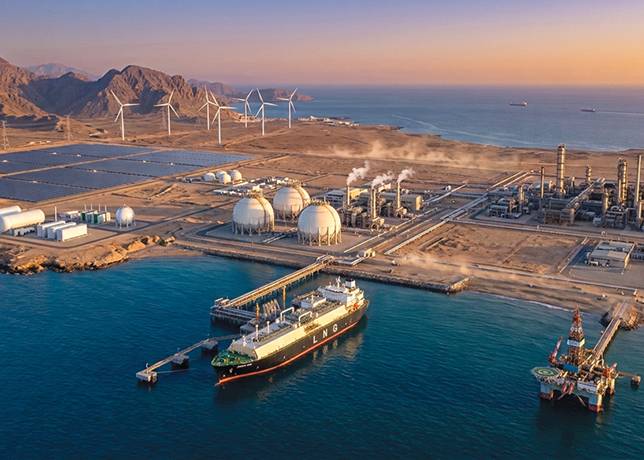
• Port facilities.
• Feedstock supplies.
• Infrastructure.
• Service industries.
• Tax holidays.
• Customs exemptions.
• Low-cost loans.
• Favourable land and utility rates.
• Favourable investment climate.
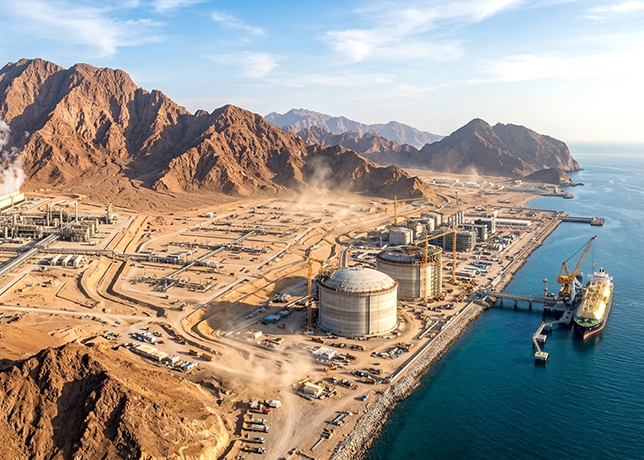
The Royal Commission has developed Jubail into a world class industrial city with an area of 1,016 sq km, of which 5,500 hectares is in industrial use.
The success of Jubail 1 has led to the need for expansion in Jubail in order to satisfy the future investment demand. This new development is called Jubail 2 and will double the industrial area of Jubail Industrial City.
The Royal Commission has implemented this development to support the kingdom’s national development strategy.