



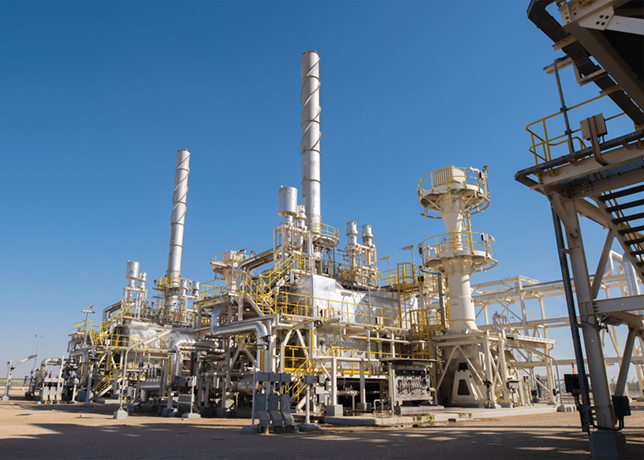

























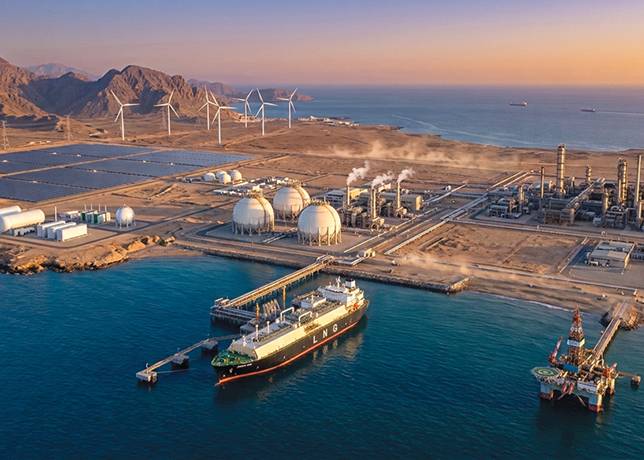

Offshore production assets operate in some of the most aggressive corrosion environments found in industrial service.
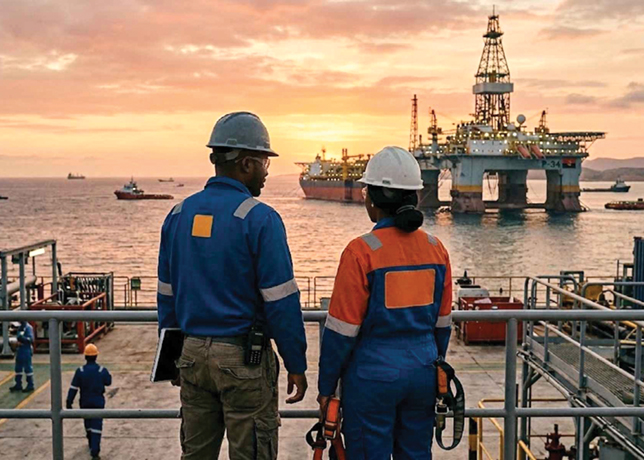
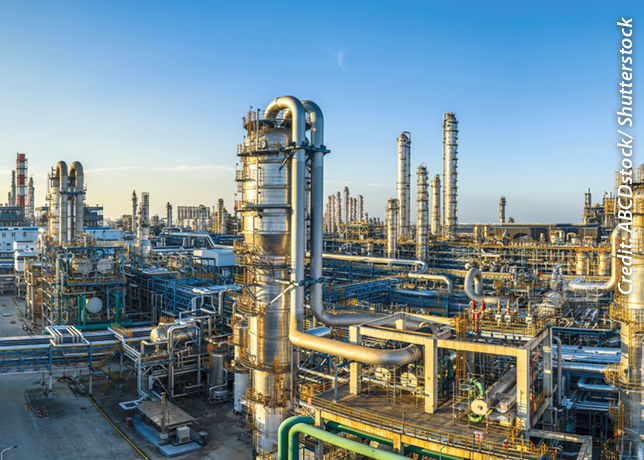
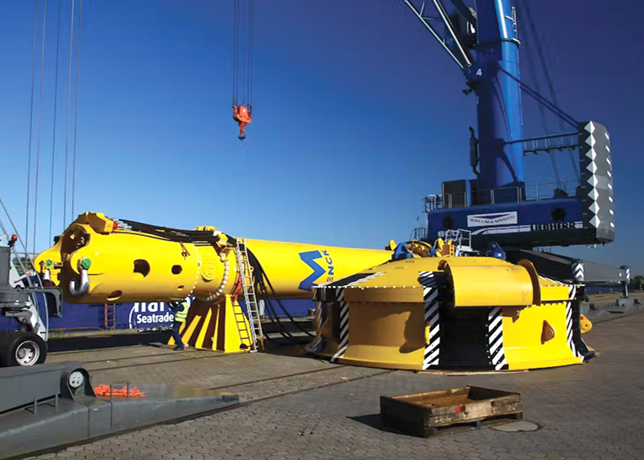
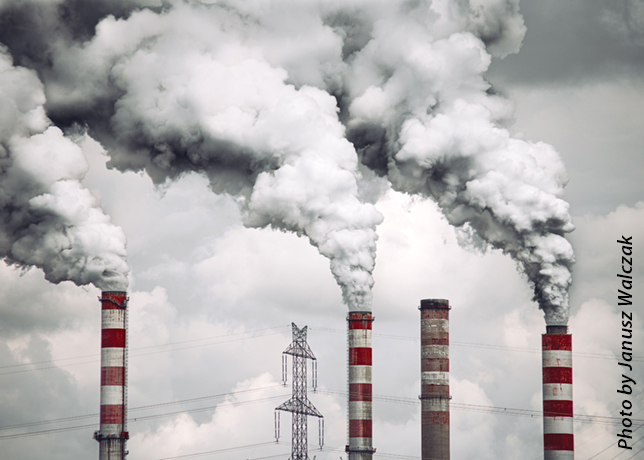
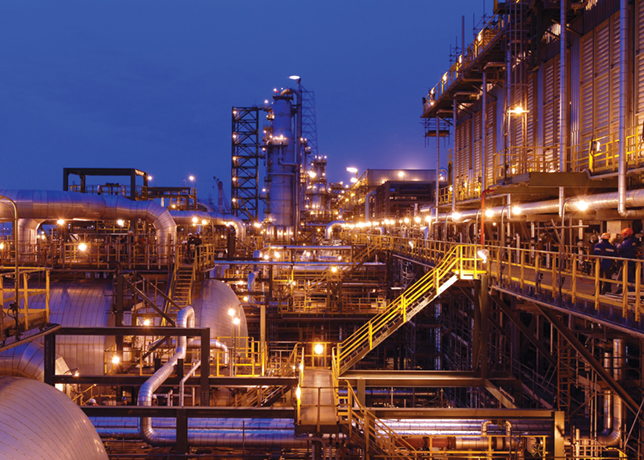
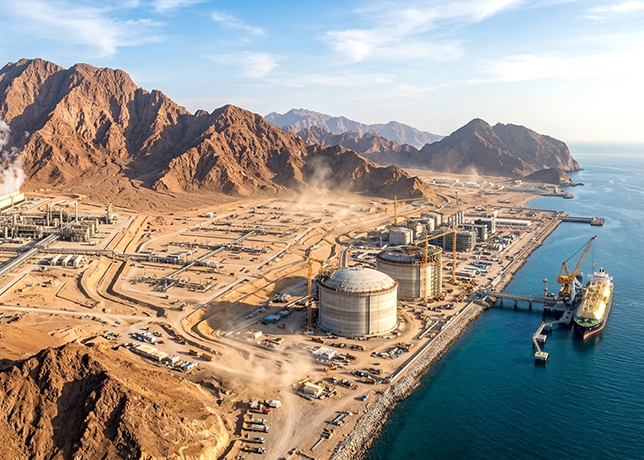
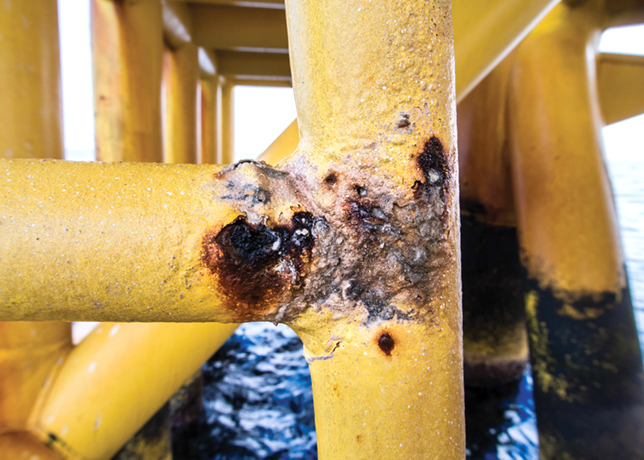
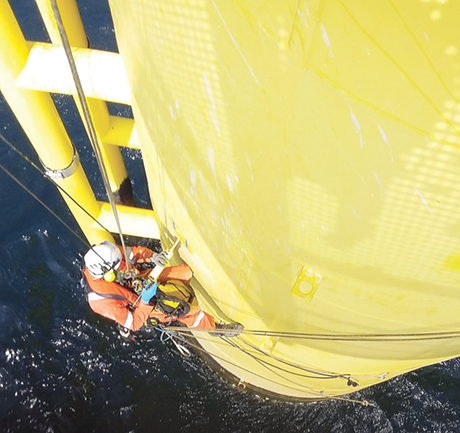
Constant exposure to salt spray, elevated humidity, ultraviolet radiation and fluctuating temperatures places continuous stress on protective coatings (Figure 1).
At the same time, access limitations and constrained maintenance windows make it difficult to intervene once degradation begins.
When coatings fail, the impact extends beyond aesthetics: Maintenance cycles shorten, repair scopes expand and total ownership costs increase.
Because offshore conditions are inherently unforgiving, coating strategy centres on matching protection systems to the environment, the available access and the practical timing of maintenance.
Systems that perform well under controlled shop conditions do not always translate seamlessly to offshore service.
Likewise, repair approaches that are effective during planned shutdowns may be impractical for in-service maintenance.
Understanding these distinctions allows operators to reduce preventable failures and better manage long-term asset integrity.
Chet Garrett
WHERE LONGEVITY STARTS
The foundation for coating performance is established during fabrication, where environmental variables can be controlled.
Shop-applied coatings benefit from regulated temperature and humidity conditions, clean substrates and the ability to sequence work for consistent quality and inspection.
These conditions support higher levels of surface preparation, along with the application of high-performance coating systems designed for extended service life.
For atmospheric steel commonly found on offshore structures, long-life coating systems tend to follow a three-layer design:
• A zinc-rich primer for corrosion protection.
• An epoxy intermediate coat to provide barrier performance.
• A UV-resistant topcoat to maintain durability and appearance.
While this basic structure is widely used, variations are driven by service conditions.
Steel near the splash zone may require increased film thickness, while elevated temperature service calls for specialised formulations.
Primer selection is a key point of divergence between new construction and maintenance.
In shop environments, inorganic zinc primers are often specified for their durability and galvanic protection.
These materials perform best when applied over properly blasted steel under tightly managed conditions.
Offshore, however, achieving those conditions becomes more difficult.
Organic zinc primers are typically more forgiving in humid environments and can be applied more reliably when surface preparation is constrained by logistics, containment requirements or cost.
Above the primer, intermediate coatings provide critical barrier protection.
Epoxies reinforced with flake materials, such as aluminium, glass or micaceous iron oxide, create a layered structure that slows the permeation of moisture and oxygen.
This platelet effect extends the time required for corrosive elements to reach the substrate, improving system longevity.
Topcoats serve both protective and practical functions.
In addition to shielding underlying layers from UV exposure, they help maintain appearance and enable early identification of coating breakdown.
Polyurethanes remain widely used, while polysiloxane finishes are increasingly selected for long-term gloss and colour retention.
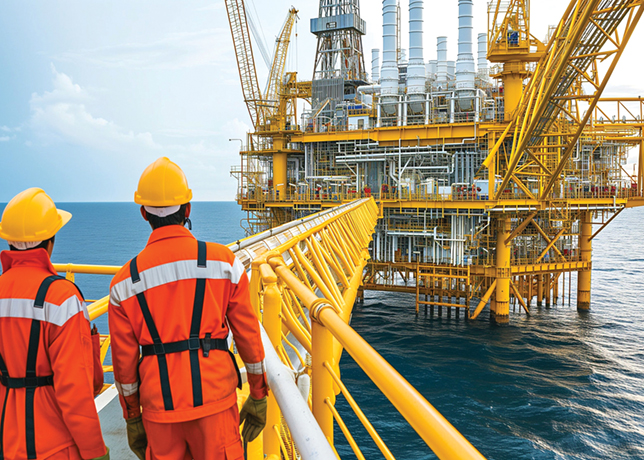
Planning ahead for offshore maintenance activities should consider a host of variables, including material selections, mobilisation capabilities, labour constraints and necessary containment approaches
TRANSLATING STRATEGY TO OFFSHORE CONDITIONS
Once assets are offshore, coatings work is defined by constraint rather than control.
Environmental variables become unpredictable, access is often limited and safety requirements add complexity to even routine maintenance.
Wind, humidity and condensation can interrupt application, while containment and rigging requirements extend project timelines.
Under these conditions, effective maintenance shifts away from replicating shop-applied systems and toward selecting the right level of intervention for the circumstances.
In some cases, operators may opt for full system restoration during scheduled shutdowns, including abrasive blasting and a complete coatings reapplication.
When executed under controlled conditions, this approach can effectively reset the asset’s protection.
More commonly, maintenance is designed to extend performance until the next planned outage.
If a major rehabilitation is scheduled within a defined timeframe, shorter-term repair strategies may be more cost-effective than attempting to install a long-life system under suboptimal conditions.
Spot repairs, partial surface preparation and localised coating application can stabilise corrosion and prevent further degradation without unnecessarily accelerating maintenance schedules.
Direct-to-metal coatings and surface-tolerant systems play an important role in these scenarios.
Fast-curing, UV-resistant materials can provide interim protection that limits corrosion spread while maintaining operational continuity.
The goal is not to achieve maximum service life with every repair, but to manage risk and preserve asset condition until comprehensive maintenance becomes viable.
Subsea environments present an even greater challenge. Maintenance activities below the waterline are difficult and costly, requiring retrieval, service and redeployment.
As a result, coating strategy for subsea equipment emphasises front-end performance rather than in-service repair.
With many subsea systems designed for decades of operation, coating selection must account for extended immersion, elevated temperatures and mechanical stress.
Systems that meet stringent offshore standards are often specified to ensure durability under these conditions.
Pre-measured, two-component, cartridge-based coating systems streamline the repair process for localised repairs
EVALUATING THE ECONOMICS OF PROTECTION
Coating performance offshore is closely tied to economics. Material cost is only a portion of the overall equation.
Mobilisation, labour, containment and weather-related delays often represent a larger share of total project expense.
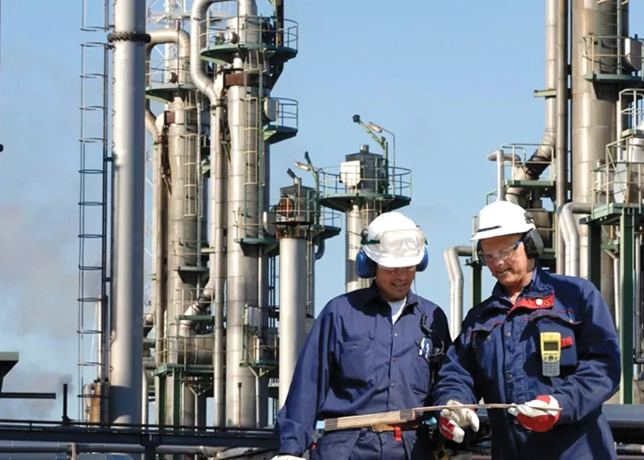
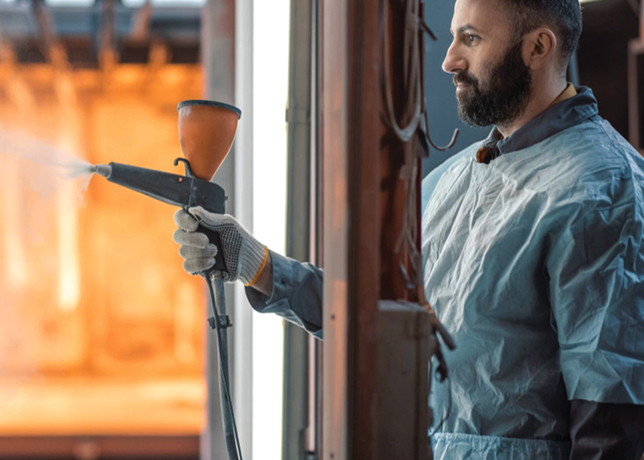
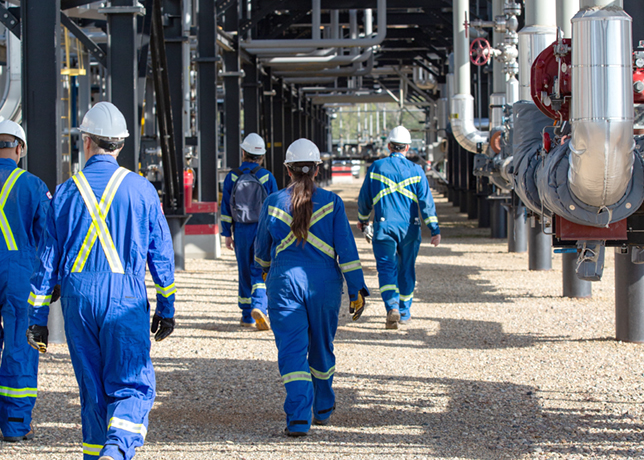
Selecting the most robust coating system does not always deliver the best value if installation conditions undermine its performance (Figure 2).
The choice between offshore maintenance and shore-based rehabilitation highlights this dynamic.
For assets such as jack-up rigs, operators can either mobilise crews to perform maintenance offshore or transport components to shore for refurbishment.
Offshore work eliminates the need for disassembly and transport, but it introduces higher labour costs, logistical challenges and weather-related uncertainty.
Shore-based work, on the other hand, benefits from controlled conditions that enable more thorough preparation and application, often reducing overall project duration despite added logistics.
These trade-offs extend to coating system selection.
If a system specified for long-term performance consistently underperforms in offshore conditions, it may be more practical to adopt a simpler, shorter-term approach that can be applied more reliably.
Application efficiency becomes a key consideration, particularly when labour and access constraints drive project costs.
One-part moisture-cure coatings offer advantages in these situations.
By eliminating the need for multi-component mixing, they simplify application, reduce setup time and minimise the risk of mixing errors.
Because they cure in the presence of moisture, they are well suited to the humid conditions typical of offshore environments.
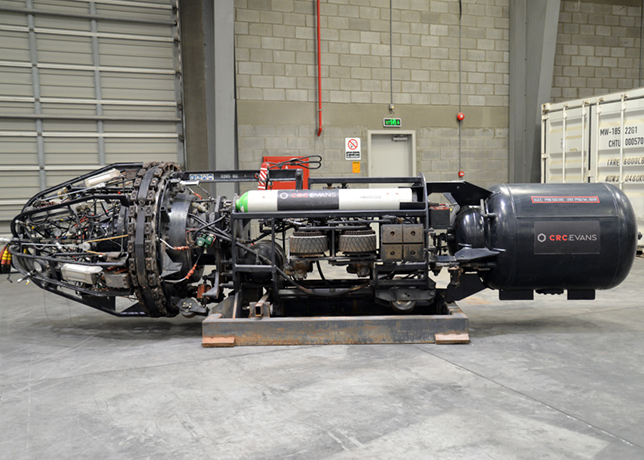
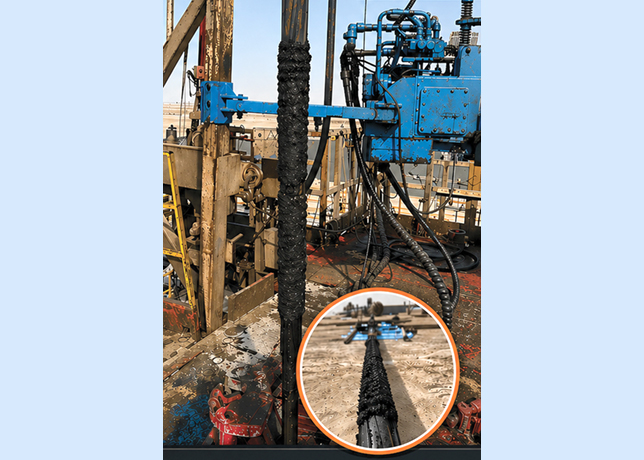
For localised repairs, cartridge-based systems further streamline the process (Figure 3).
These pre-measured, two-component materials can be applied using standard dispensing equipment, reducing preparation time and simplifying application in confined or difficult-to-access areas.
The ability to execute repairs quickly is especially valuable when working within limited weather windows or high-risk environments.
SUPPORTING SAFER OPERATIONS
Coating strategy offshore extends beyond corrosion protection to influence safety and operational efficiency.
Various equipment may operate at elevated temperatures, creating burn hazards in confined workspaces.
Traditional mitigation methods, including insulation or physical barriers, can reduce exposure risk but may also restrict access and complicate maintenance.
Thermal insulative coatings provide an alternative approach by reducing surface temperatures without adding bulk.
Applied at specified thicknesses, these coatings create a protective layer that helps safeguard personnel while preserving access to equipment.
In some cases, they can also contribute to process efficiency by retaining heat within the system.
Condensation control represents another benefit.
In warm, humid environments, temperature differentials can lead to persistent moisture formation on equipment surfaces.
This creates slip hazards and complicates maintenance activities. By moderating surface temperatures, thermal barrier coatings can reduce condensation and improve working conditions.
Repair systems designed for simplified application further contribute to safety by minimising time spent performing maintenance in high-risk areas.
Reducing the need for extensive rigging, containment and preparation helps limit exposure during overwater operations, where access constraints and environmental conditions can increase risk.
MATCHING STRATEGY TO REALITY
Offshore coating work will always involve compromise.
The environment is harsh, access is limited and maintenance conditions are rarely ideal.
Success depends on understanding how coating systems perform under these constraints and selecting strategies that align with operational realities.
From initial fabrication through in-service maintenance, coating decisions must balance performance, practicality and cost.
The goal is to protect assets effectively while minimising disruption and unnecessary expense.
By grounding coating strategy in controlled shop fundamentals, adapting to field conditions and considering the full life cycle of the asset, operators can extend service life and reduce the likelihood of unplanned downtime.
* Chet Garrett is based in Ponchatoula, Louisiana. He has approximately 10 years of service dedicated to protective coatings as an industrial painting contractor, inspector, project manager and Sherwin-Williams energy team member with a specialty in offshore assets.
An original version of this article appeared here.