




























At many fuel stations across the Middle East, the transaction at the pump carries more weight than meets the eye.
It is the most frequent interaction customers have with a fuel brand and the energy major that sits behind it.
Under normal conditions, this interaction feels routine, but when demand surges, whether driven by pricing shifts, supply concerns or external pressures, that routine is tested and the margin for error narrows significantly.
As we have seen recently, in these moments, focus can turn to the most visible pain points for customers, such as queues at fuel stations.
Despite best efforts from operators, demand surges have created queues that in some places are extending up to an hour.
And in a region where car transport is so prevalent, the impact is widely felt.
But while price changes and the resulting increased queues or supply concerns can’t always be controlled, the infrastructure behind the experience hold-up can be controlled.
And arguably this becomes even more important, because while demand may fluctuate, expectations do not.
Dispensers are still expected to function immediately; payment is still expected to authorise without delay, and the entire process is still expected to feel quick, familiar, and uninterrupted.
It’s also the ease, convenience, and reliability of experience that leaves a lasting impression.
This becomes even more important as queues lengthen, because the driver’s expectations rise at the same time, while tolerance for disruption drops.
In this environment, even small issues start to matter more, and that can carry real commercial consequences.
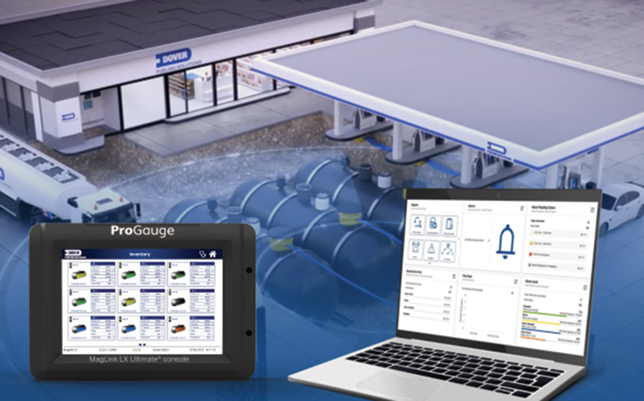
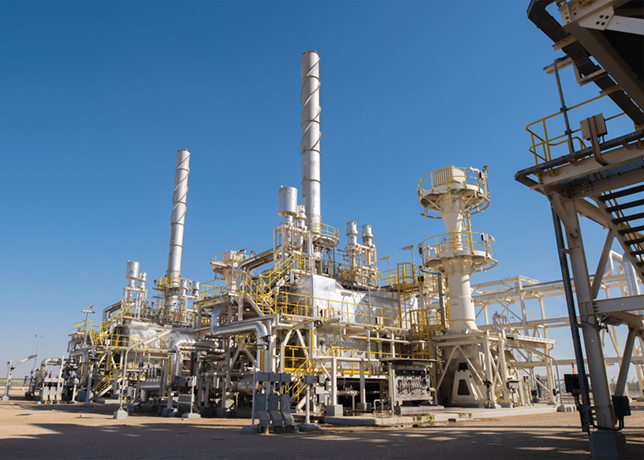
ATG and wetstock management provide real-time visibility
OPERATIONAL FRICTION ADDS UP
The at-the-pump process seems simple from the outside: You pull up, fill up your car, pay, perhaps use the carwash, or grab a drink from the convenience store (c-store), and drive away.
But what makes at-pump reliability complex is the number of systems that now sit behind a single transaction.
Dispenser performance, payment processing, network connectivity, encryption protocols and site-level software must all operate in sync, often within seconds, to deliver the experience customers expect.
This level of integration enables efficiency but also creates exposure and during periods of heightened demand, the pressure on those systems only increases.
These performance risks affecting transaction reliability on today’s forecourts rarely emerge from a single point of failure.
Instead, they tend to develop as sustained pressure exposes inconsistencies that affect transaction flow.
There are many factors at play here, such as latency between tap and authorisation, or intermittent connectivity between payment hardware and site controllers.
Other considerations are dispenser-related faults, software version misalignment across systems, or manual resets that interrupt the customer journey.
Each of these issues may be manageable in isolation, but together they can make a significant dent in delivery, speed, and customer perception.
Take the long wait times at fuel stations, for example. Queues are typically driven by a combination of factors, including sudden demand spikes following price changes, short-term supply constraints that limit fuel availability at certain sites, and natural peaks in traffic such as work rush-hour times.
However, an important factor that is less widely discussed is what happens when more vehicles arrive at once, and each transaction takes even slightly longer.
Whether due to payment delays, slower authorisation or minor system interruptions, bottlenecks at the pump can lead to queues building quickly and becoming difficult to clear.
At the same time, speed must be matched by security as cybersecurity risks continue to grow.
Making sure transactions remain both fast and protected adds another layer of complexity, one that is not immediately visible, but determined by systems operating beneath the surface.
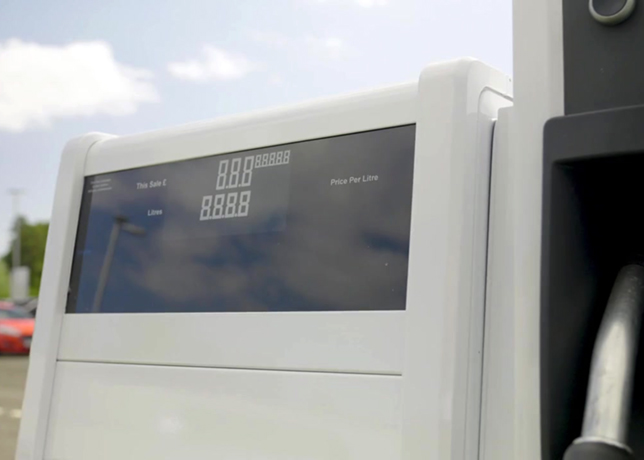
Wayne fuel dispensers ... packed with technology
WHAT HAPPENS UNDERGROUND HAS A DIRECT IMPACT ABOVE IT
While much of the customer experience is shaped at the pump, we must also keep in mind that the foundation of fuel station performance sits largely out of sight.
Here, fuel availability, inventory accuracy, and operational control are managed largely through automated tank gauging (ATG) and wetstock management systems, which provide real-time visibility into what is happening beneath the surface.
This is especially critical in the context of queues and demand pressure.
If inventory visibility is limited or inaccurate, sites may unknowingly operate below optimal capacity, restrict certain pumps, or face delays in replenishment.
In high-demand scenarios, lack of visibility can directly contribute to longer queues and reduced site efficiency.
This is also where financial risks often originate: Fuel loss, for example, usually doesn’t present as a sudden failure, but rather as small variances that are often accepted as part of daily operations.
Over time, these variances accumulate, eroding margins and creating exposure that is not immediately visible.
In fact, our research has found that losses of around 1 per cent are widely tolerated across the industry, yet over the course of a year, this can equate to tens of thousands of litres of fuel at a single site.
And in times of high demand, those losses matter more than ever.
So while this happens out of sight, below ground, operators are going to start to see that what you can’t see, could in fact hurt you because without the right level of visibility, it becomes difficult to identify and avoid losses and inefficiencies.
At the same time, the absence of real-time insight limits an operator’s ability to respond proactively.
Instead of identifying and resolving issues before they impact operations, they are often discovered only once they begin to affect the customer experience.
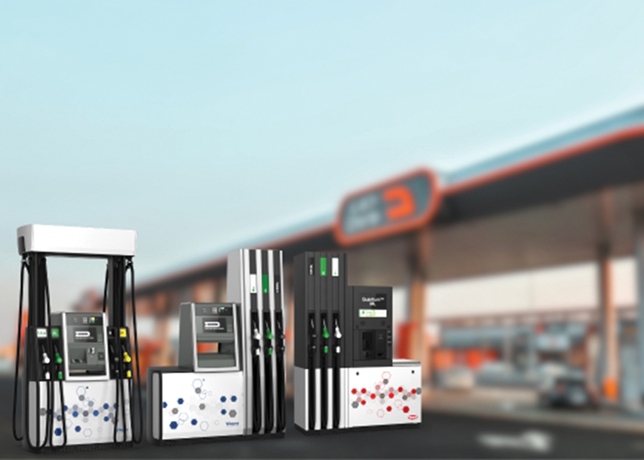
MEA station with dispensers
THE REAL COST IS NOT DISRUPTION BUT EROSION
In periods of high demand, some level of disruption is inevitable.
Queues may form, and wait times may increase, particularly when large volumes of drivers arrive at once. But what customers are far less willing to accept is a failure in the core experience.
A longer wait may be tolerated, but a failed payment or a non-functioning pump is not.
And that distinction is critical, because it highlights the difference between disruption and erosion.
Disruption is temporary and often unavoidable, while erosion is cumulative and far more damaging.
The same applies to the systems customers never see.
Limited visibility into wetstock performance, inaccurate tank data, and unmanaged losses may not be obvious in the moment, but they quietly undermine efficiency, throughput and resilience over time, especially in high-pressure environments.
Every failed transaction, every out-of-service dispenser, and every instance of friction erodes customer confidence.
Failed transactions may not result in an immediate loss of business, but over time they influence behaviour, shaping where customers choose to refuel and which sites they avoid.