









































 Image: somkanae sawatdinak / Shutterstock.com
The United States has granted Iran a 60-day sanctions waiver allowing Tehran to sell oil in US dollars for the first time in decades, marking a significant breakthrough in efforts to secure a lasting peace agreement following the recent conflict in the Middle East.
The move came after the first round of US-Iran negotiations in Switzerland, where both sides agreed on a roadmap aimed at reaching a permanent settlement within 60 days. However, disagreements quickly emerged over claims that Tehran had agreed to allow international nuclear inspectors back into the country.
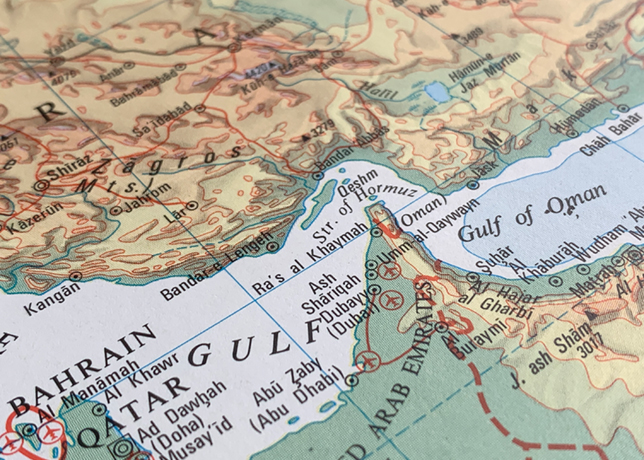
US Vice President JD Vance described the talks at the Swiss resort of Bürgenstock as productive, saying they had laid a "very good foundation" for a final deal. He said discussions covered regional security issues, including maintaining the reopening of the Strait of Hormuz and supporting the broader ceasefire across the region.
The sanctions waiver, announced by the US Treasury Department, represents one of the most significant relaxations of economic restrictions on Iran in years. The measure effectively dismantles key elements of Washington's longstanding embargo and allows Iran to conduct oil sales in dollars, a privilege denied to the country for decades under US sanctions.
US Treasury Secretary Scott Bessent said the waiver was granted in exchange for Iranian commitments to keep the Strait of Hormuz open to international shipping and permit inspectors from the International Atomic Energy Agency (IAEA) to return to the country.
President Donald Trump reinforced that position, stating on social media that Iran "will agree to have Major Weapons Inspections", while Vance told reporters that conversations regarding the return of nuclear inspectors could begin immediately and that the process was expected to start this week.
Tehran, however, publicly contradicted those assertions.
Iranian Foreign Ministry spokesman Esmail Baqai told state news agency IRNA that Iran had made "no new commitments" regarding nuclear inspections during the talks. He said any future engagement with IAEA inspectors would take place strictly under existing procedures approved by Parliament and the Supreme National Security Council.
The dispute highlights one of the most sensitive issues facing negotiators as they seek to transform the fragile ceasefire into a comprehensive agreement. Iran suspended IAEA access to facilities damaged during Israeli and US strikes in last year's 12-day war, and the question of international monitoring remains central to Western concerns about Tehran's nuclear programme.
Despite the disagreement, both sides signalled a willingness to continue negotiations. Mediators Qatar and Pakistan said the talks had produced a framework for reaching a permanent agreement within two months.
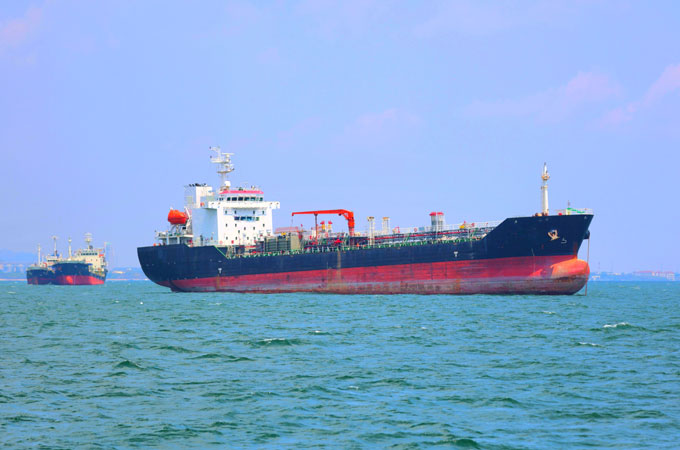
The easing of sanctions was accompanied by signs of improving stability in the Gulf's vital energy corridor. Tanker traffic through the Strait of Hormuz began recovering on Monday after Iran reaffirmed its commitment to keep the waterway open following a brief weekend disruption.
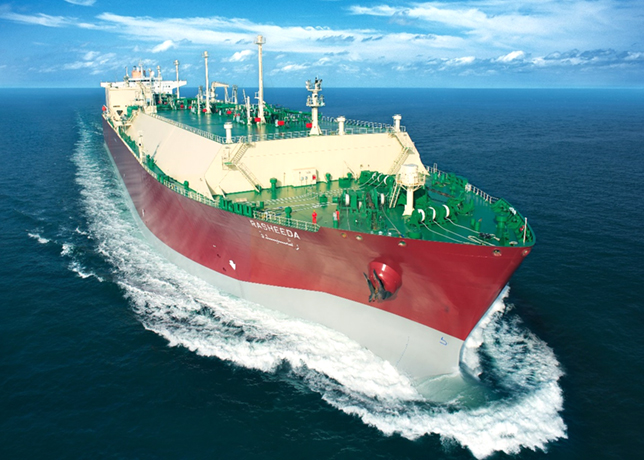
Shipping data showed several crude oil and liquefied natural gas vessels transiting the strait, including LNG carriers controlled by Qatar and large crude tankers bound for Gulf ports. Shipbroker Clarksons said daily crossings remained below pre-conflict levels but noted that the trend was improving.
Iran has also agreed to establish a direct maritime hotline with the United States and other countries to prevent misunderstandings and ensure the safe passage of commercial vessels through the strategic waterway.