















































The shutdown follows confirmation by France’s Total, Yemen’s biggest foreign investor, that the major has reduced oil and gas operations at its Block 10
Further oil production was suspended in Yemen following fresh airstrikes by the Saudi-led coalition amid conflicting information over the status of the country’s ports and its ability to export crude.
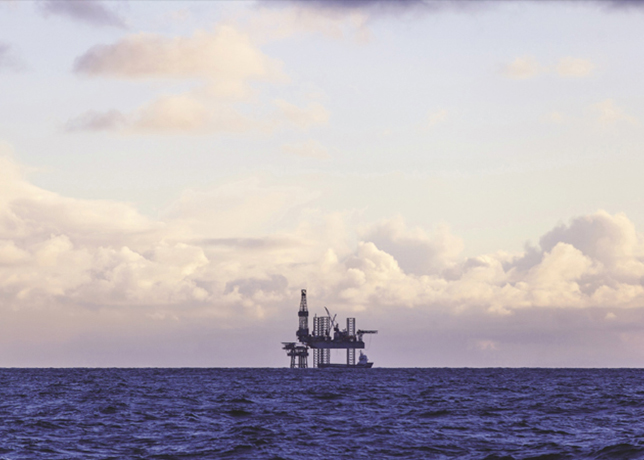
Norway’s DNO has suspended production and evacuated its expatriate staff from its two blocks in Yemen due to the deteriorating security situation, the company says.
DNO operates four production licences in Yemen and is junior partner in two others. All are in the east of the country near its border with Oman and far from recent Houthi offensives. Production from its Block 32 and Block 43 licenses had been averaging approximately 1,950 bpd.
The shutdown follows confirmation by France’s Total, Yemen’s biggest foreign investor, that the major has reduced oil and gas operations at its Block 10 after evacuating non-essential staff. Total operates Block 10 which has the capacity to produce over 60,000 bpd. Jets from the coalition, comprising Saudi Arabia and nine other Sunni Muslim states, have been pounding positions, military bases and weapons controlled by the militants and dissident forces including those at air and sea ports in several Yemeni cities.
Local officials told Platts all ports had been blocked and oil exports were understood to have been stopped due to a blockade by the Saudi-led coalition against the militants, who control the capital Sanaa and are backed by Iran.
The military coalition has imposed an air and sea blockade in Yemen to prevent arms supply and smuggling for the Houthis. But trading sources say that Yemen’s Ras Isa crude terminal, where shipments of Marib Light load, had been loading a vessel. The status of Ash Shihr, from where Masila crude loads, is less clear.
"The impact of Ash Shihr being closed though is very minimal, production is only 70,000 bpd to 80,000 bpd," says one trader. "I’m not even sure it will be affected."
Recently pumping around 100,000 bpd, Yemen is a relatively small oil producer but it sits along a key transport route for oil tankers in the region. The country exported some 47,000 bpd of crude last year, down from about 66,000 bpd in 2013, according to official figures. While Yemen’s port of Aden itself is not an important oil trading hub, some industry players previously raised concerns that its strategic location on the choke point between the Red Sea and the Gulf of Aden could become a problem if the conflict in Yemen were to escalate further.
The Bab-el-Mandeb strait right near the port serves as the transit point for some of the biggest oil trading routes, which go through the Suez Canal.
China’s Unipec typically purchases all 1.4 million barrels/month of Masila that is exported but the country could easily source alternative supply elsewhere, according to industry sources.
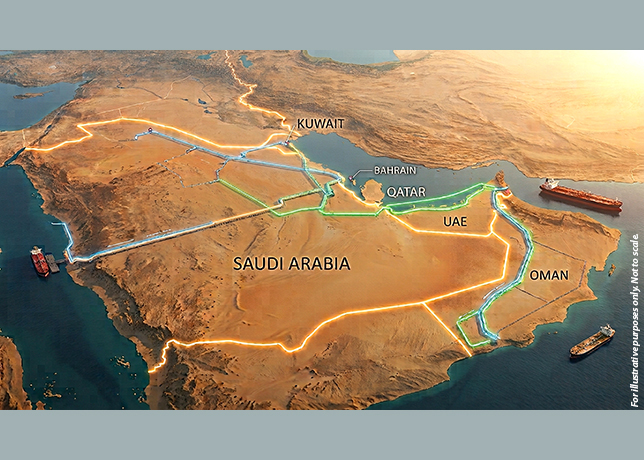
China’s refinery throughput is over 10 mbpd and Masila contributes about 47,000 bpd to that demand. Yemen has three major pipelines which transport crude from its central production areas at Marib, Masila and Shabwah to three oil export terminals – Ash Shihr, Bir Ali and Ras Isa – with total oil storage capacity of just over 7.1 million barrels. According to the Yemeni oil official, the 130,000 bpd state owned Aden refinery, Yemen’s largest downstream facility is understood to be operating normally using imported crude and products stored at the refinery before the ban on shipping. It is unclear how long these stocks will last.
Since 2013, Yemen has been importing four diesel shipments a month, of around 60,000 mt each, along with four gasoline shipments of 30,000 mt each.
Just days before the Saudi-led air campaign, Iran pledged to provide one-year fuel support to Yemen as part of bilateral cooperation after pro-Iran Houthi militants seized power in the country.
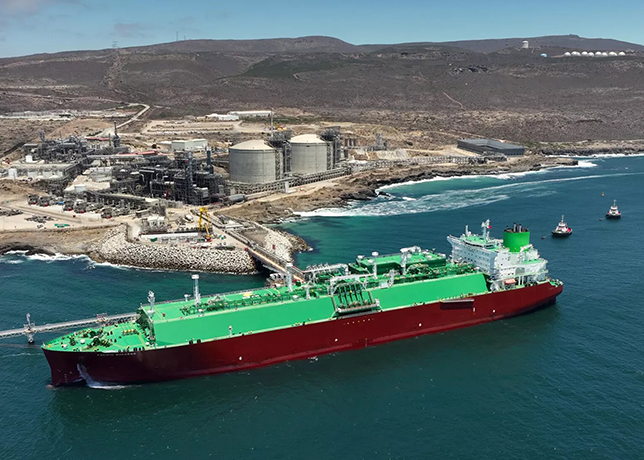
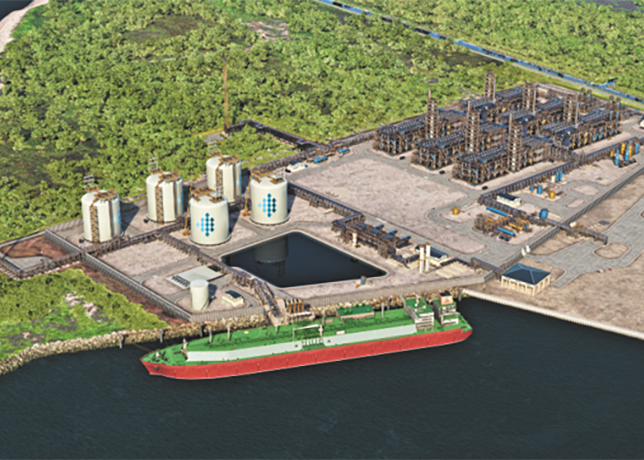
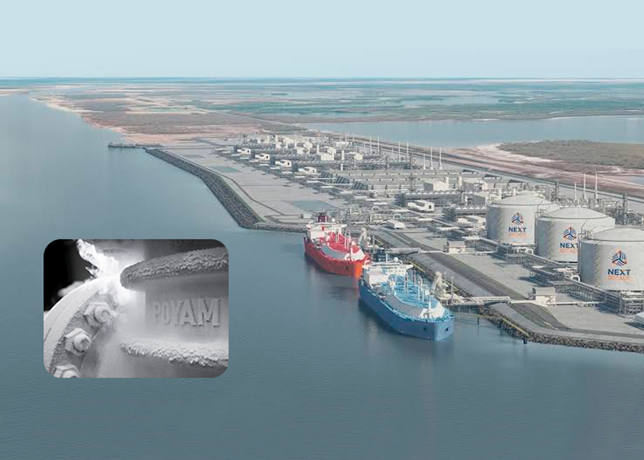
Yemen’s LNG exports have not been affected, according to sources. Gas produced at Block-18 in the Marib province is pumped to a 6.7 million mt/year liquefaction plant at Balhaf on the Red Sea coast and shipped from a dedicated LNG terminal. The plant is operated by Yemen LNG with three long term contracts for GDF-Suez, Kogas and Total Gas and Power.
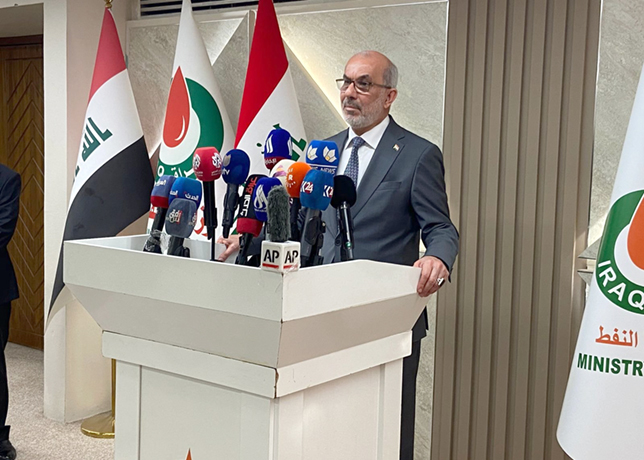
Balhaf is continuing production operations and LNG cargoes delivery normally, an official from the oil ministry says on condition of anonymity.
"Yemen LNG insisted on continuing all operations at the Balhaf plant though the company and Total have already evacuated foreign staff from Sanaa," the official says.
Local sources in Shabwa says foreign military ships and personnel have recently been deployed to guard the Balhaf plant and secure export operations.


