






























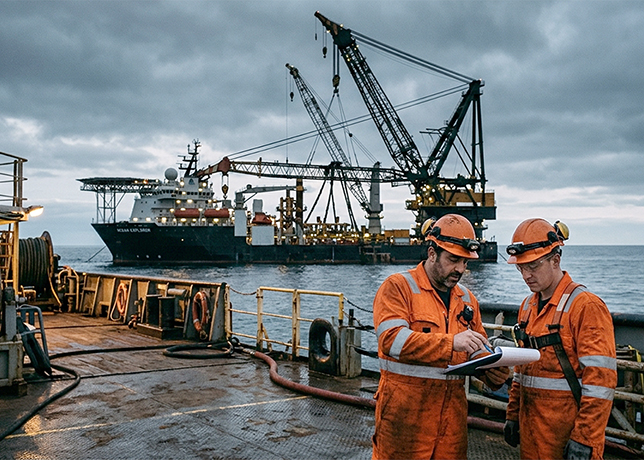



The firm launched an ambitious mitigation plan in February to combat the impact of lower oil prices on its business, including cutting investments by over10 per cent
France’s Total says its cost cutting programme in response to lower oil prices had started to "bear fruit" and that despite the more challenging operating environment it had managed to raise first-quarter production by 10 per cent.
But the company says it was forced to take an impairment charge of $1.1 billion related to its currently suspended operations in Libya and Yemen and warned that second-quarter output would be affected by a "heavy" seasonal maintenance programme in Nigeria, the UK and Norway.
Total launched an ambitious mitigation plan in February to combat the impact of lower oil prices on its business, including cutting investments by more than 10 per cent, slashing its exploration budget and accelerating asset sales.
While Total’s Q1 net profit slumped 22 per cent year on year to $2.6 billion, the company says it had proved resilient to the weaker operating environment.
"In the context of the sharp decline in oil prices, Total is pursuing the implementation of its strong response which includes ... a significant cost reduction programme that is already bearing fruit," the company says in its earnings statement.
Total CFO Patrick de la Chevardiere, speaking on on a conference call with analysts, says first quarter operating expenditure had run "well below the 2014 average."
He also says capex in the first quarter was $6.1 billion, in line with budget.
"Looking forward, our spending will trend down," he says, as new projects come on stream throughout the year.
"Assuming oil prices remain at this level, we would expect to see more cost deflation as we move through the year.
"We are not betting on a quick rebound [in prices], but we believe fundamentals will push prices higher, though we cannot say when," he says.
Oil price volatility is not the only challenge facing oil majors though
2015 has also seen heightened geopolitical risk, especially in the Middle East, Total says.
Total took an impairment charge of $1.1 billion on its operations in Libya and Yemen, effectively writing off its onshore assets in both countries.
"We have decided to entirely write down our onshore fields in those two countries," de la Chevardiere says, adding, however, that this did not include its operated Yemen LNG project.
De la Chevardiere says Total was taking a "prudent approach" in Libya and Yemen, adding: "It is impossible to predict the outcome of these kinds of events."
"We hope to restart production as soon as the security situation allows, but nevertheless we are writing down the onshore assets," he says.
Total’s onshore production in Libya, which represents around 40,000 bpd, is currently shut in, though its offshore output of some 20,000 bpd has not been affected.
The onshore assets it is writing down are Mabruk – which was largely destroyed by Islamist miiltants earlier this eyar – and Murzuq.
All of its production in Yemen, including Yemen LNG, has been shut in since the start of second quarter. This represents 65,000 bpd net to the company, de la Chevardiere says.
Yemen LNG, he says, was currently in "preservation mode."
"With this mode, Yemen LNG can restart production easily when circumstances safely permit it. There is no reason to impair Yemen LNG."
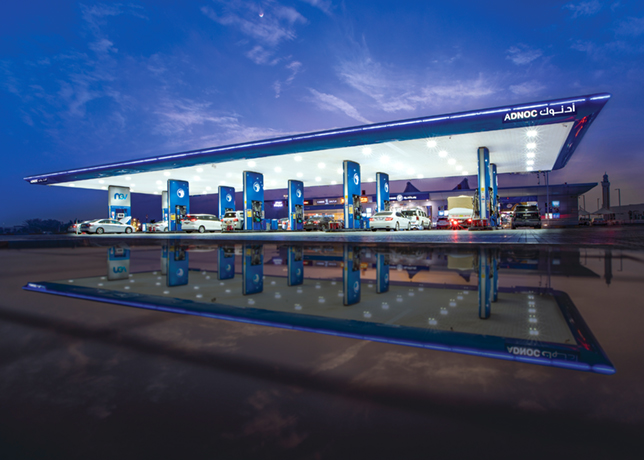
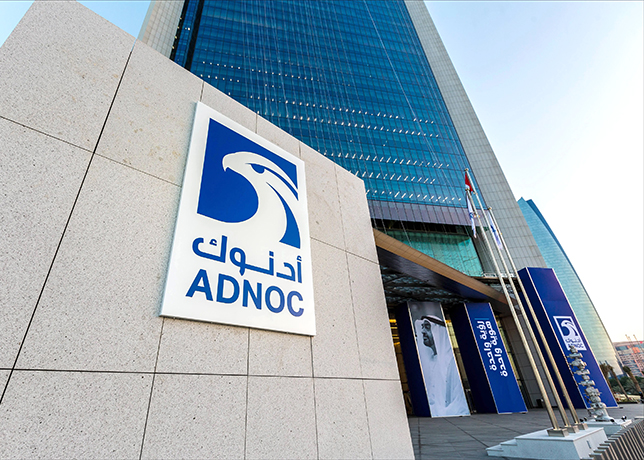
Despite the issues in the Middle East, Total was still able to raise output due to new projects coming on stream and to its new 10 per cent stake in the major Adco oil concession in the UAE.
De la Chevardiere says the stake in Adco adds 160,000 bpd of oil "that we plan to grow and profit from over the next 40 years."
Total’s average Q1 oil and gas production rose 10 per cent year on year to 2.395 mbpd of oil equivalent. Oil output contributed almost all the growth, with production up 20 per cent to 1.24 mbpd. Gas output was up by 1 per cent to 6.31 bcfd.
Q1 project startups included West Franklin 2 in the UK, Eldfisk II offshore Norway and Nigeria’s Ofon phase 2.
Total is also expecting a number of new projects to start up in the coming months.
These include the Termokarstovoye gas and condensate field in Russia, Australia’s GLNG projects, the major UK gas field Laggan-Tormore, Surmont 2 in Canada and Vega Pleyade in Argentina.
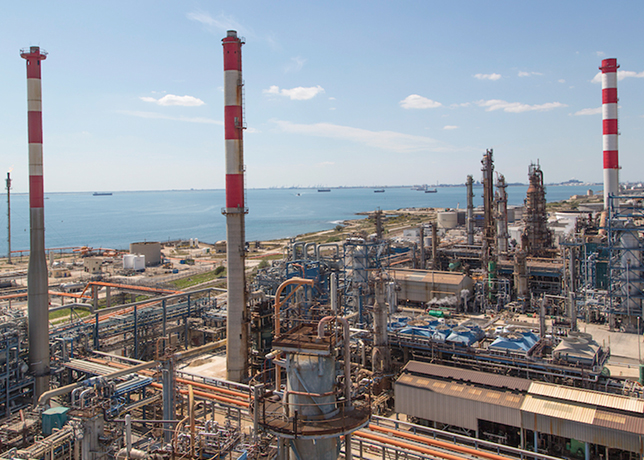
In refining, where Total recently announced a programme to convert the La Mede refinery in France into a biodiesel plant, the company saw its Q1 throughput jump 14 per cent year on year to 1.931 mbpd as margins improved.
De la Chevardiere says the downstream environment was "one of best we’ve seen in years."
"European margins were very strong," he says, but: "Our long-term view is that margins will not remain at these high levels."
Total says refining margins in the second quarter had remained "strong" despite the structural overcapacity in Europe, which, it says, will weigh on margins in the medium term.
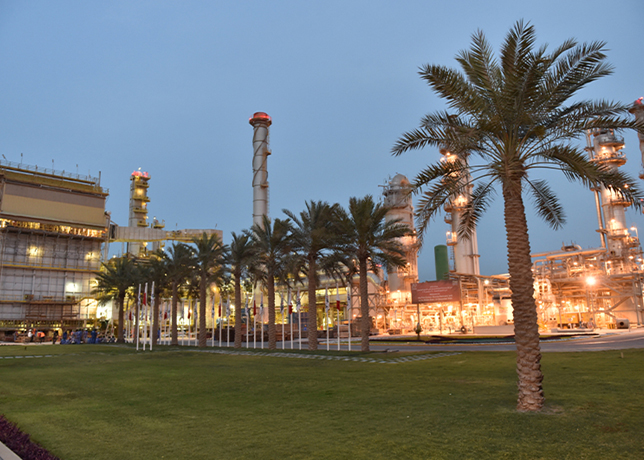
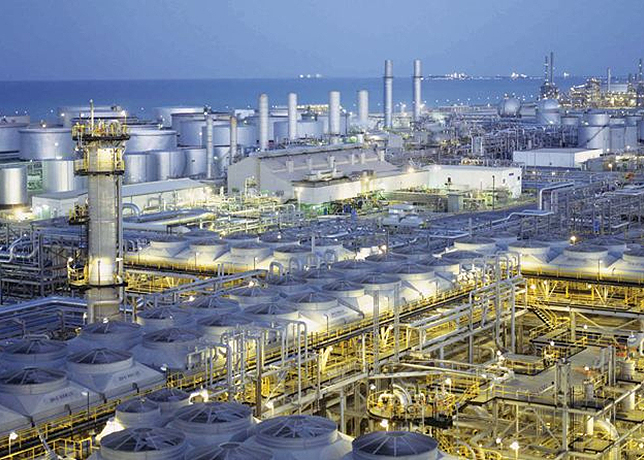
The higher throughput was a result of only limited maintenance at its French plants and of the fully operating Saudi Arabian joint venture refinery at Jubail.
Crude utilisation rates rose to 87 per cent, compared with 82 per cent in Q4 2014 and 77 per cent in Q3 2014.


