















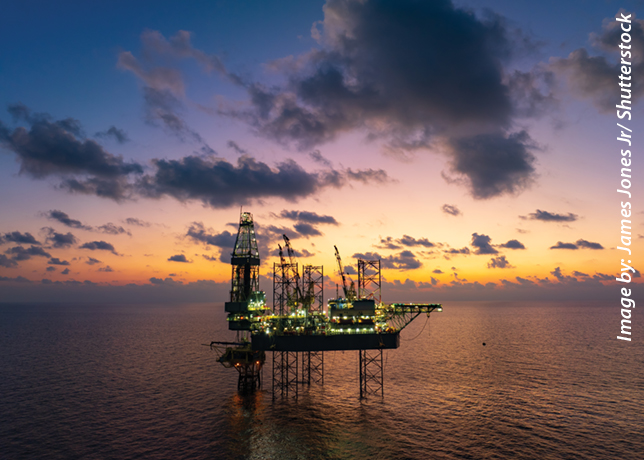
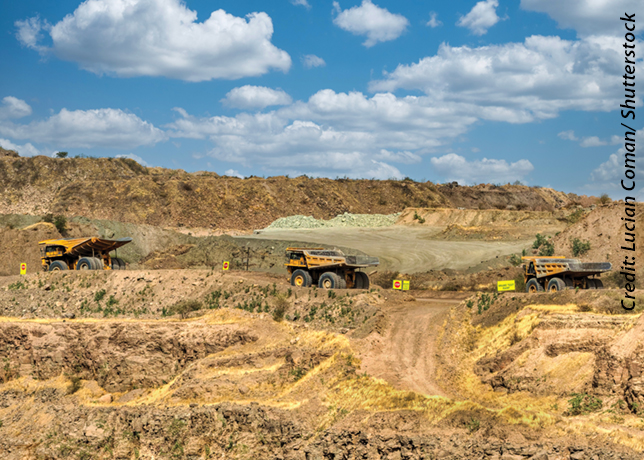

























Yemen’s economy depends largely on the oil and gas sector, with crude and LNG exports contributing around 70 per cent of state revenues. Moreover, the Marib crude pipeline is critical to supplying the country’s Aden refinery
Concerns are growing over the impact on Yemen’s fragile economy and possible disruption in its oil and gas exports as Houthi rebels continue their push to seize key energy projects in the Marib province.
Analysts say it is likely that Marib’s energy projects will fall into rebel hands, which would inevitably affect Yemen’s oil and gas exports as well as exploration and production operations.
Even though the militants have made little progress since they took over a key town in Baidha province earlier this month, they have been pushing to capture Marib as part of a revolution they hope will sweep the current Yemeni government from power and lead to greater representation for the Shiite minority Houthis in a future government.
Baidha is directly southeast of Marib and the Houthis are seeking to use Hkubzah, the seized town, as an entry point to Marib after they earlier failed to take the province from Jawf province to the north.
Yemen’s Block 18 is located in Marib. The block produces much of the country’s oil as well as natural gas used to supply Yemen’s Balhaf LNG production and export project. Production facilities on the block are a particular target for rebel takeover as they are operated by a state-owned entity, Safer Co.
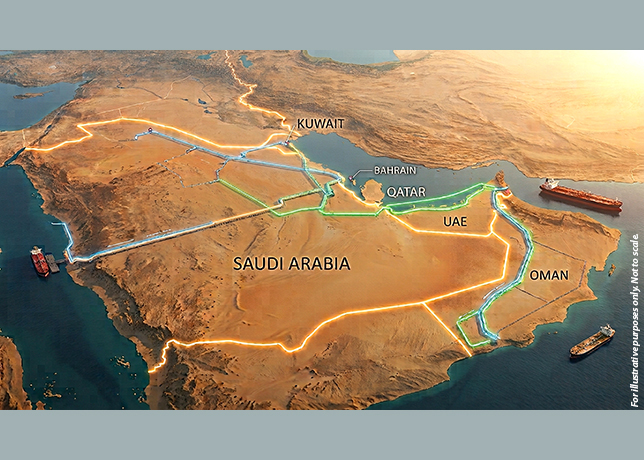
Safer also operates the 272-mile Marib pipeline which receives crude from Yemen’s Marib and Shabwa oil fields and carries it to the Ras Isa terminal on the Red Sea. The pipeline has, for the past three years, been a frequent target of attacks by tribal elements and Islamist militants allied with Al-Qaeda in the Arabian Peninsula.
Executive director of Yemen Social and Economic Development Research Center Marzouk Mohsen says Houthi militants would use seized projects to put pressure on the government and foreign contractors, seeking first to achieve political gains then to secure economic resources.
"The point is not that Houthis themselves will export oil and gas or collect earnings but rather they may seek shares in projects as part of possible deals," Mohsen says.
"If their demands are not met then, the militants will think of the most effective way to ensure a proper response: halting oil and gas production operations and exports," he says.
There would be many complications, including an increase in attacks on oil and gas infrastructure by local tribes opposed to Houthi presence.
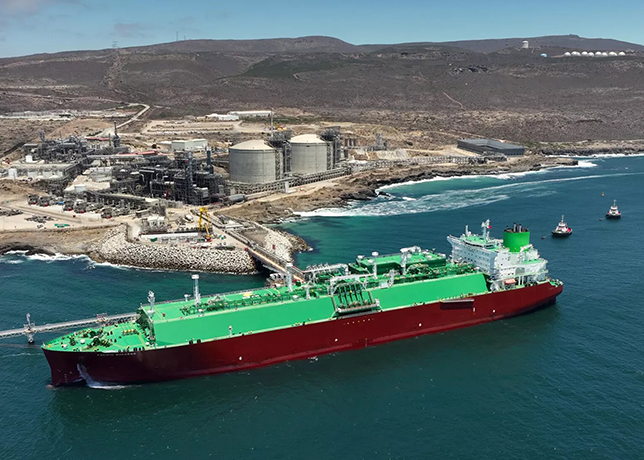
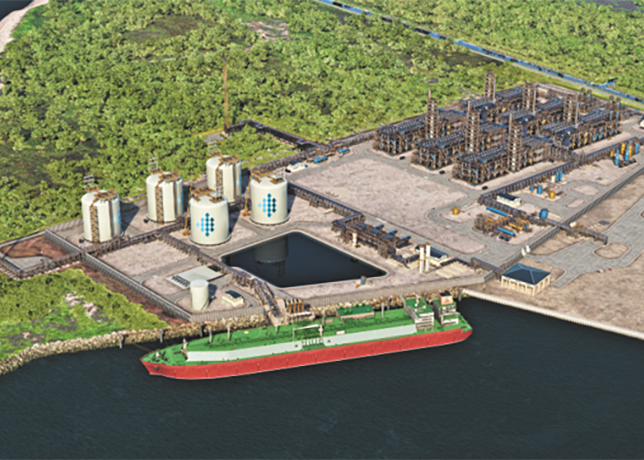
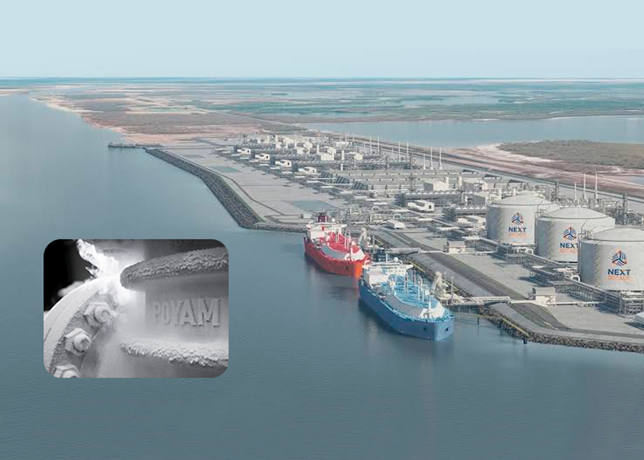
Especially at risk of major disruption or curtailment is the natural gas supply to Yemen’s Balhaf LNG production plant, operated by France’s Total, says Radhwan Al-Hamdani, an analyst and news manager at Yemen’s Saba state agency. Long-term contracts for Balhaf LNG supplies are currently the subject of intense price negotiations, which are likely to be affected by the deteriorating security situation, he added.
Yemen LNG—a consortium of Total, the US’ Hunt Oil, state-owned Yemen Gas, South Korea’s SK Corp, Kogas and Hyundai, and Yemen’s General Authority for Social Security and Pensions – has three long-term contracts respectively with Total Gas and Power, France’s GDF Suez and Kogas. In contract negotiations late last year, Kogas agreed to pay a higher price for Balhaf LNG.
Meanwhile, economists argue that the likely fall of Marib would add to problems currently affecting the national economy, which include repeated attacks on energy infrastructure.
A report by the central bank, seen by Platts, says Yemen’s oil exports totalled 12 million barrels during the nine months from January to September, down from 19 million barrels during the same period last year.
The bank blamed the 37 per cent year-on-year drop on sabotage of oil infrastructure.
Yemen’s economy depends largely on the oil and gas sector, with crude and LNG exports contributing around 70 per cent of state revenues. Moreover, the Marib crude pipeline is critical to supplying the country’s Aden refinery, which produces oil products for the domestic market.
Major gas-fired power projects – Marib I, in service since 2009, and Marib II which will be launched next month – could also be disrupted by a Houthi advance into Marib province.
In addition to its importance to Yemen’s economy, Marib is a political target for the Houthis due to its proximity to Jawf province on the Saudi border.
Jawf also has oil and gas resources, so far untapped, and has been fought over by the Houthis and an alliance of Yemen’s army and local pro-government tribes since March.


