































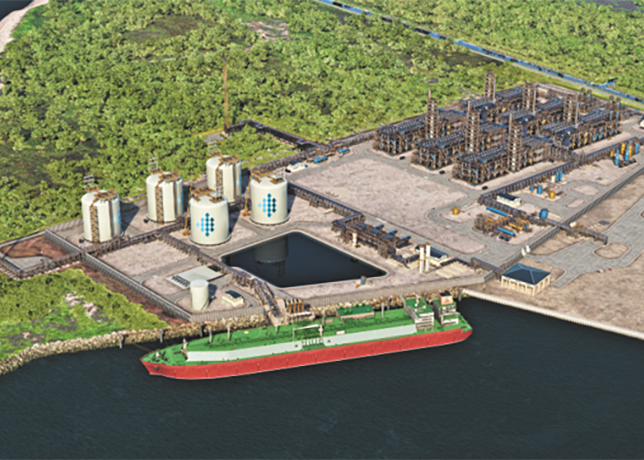


























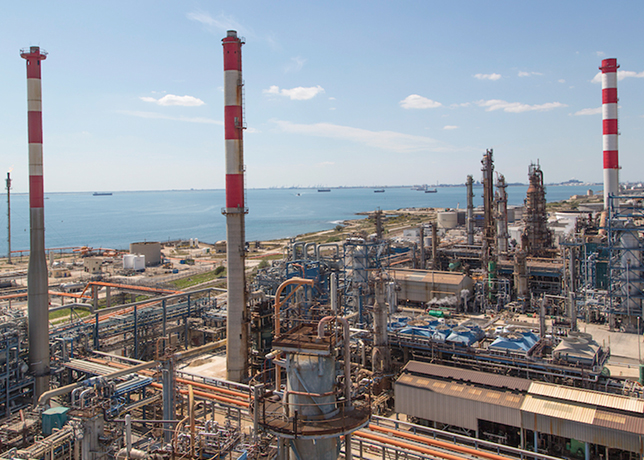



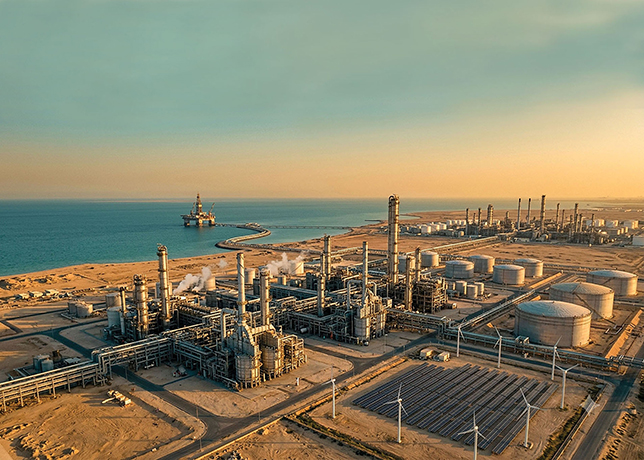



Aden refinery exports on average about 50,000 tonnes of naphtha every month and jet fuel occasionally. Yemen is reliant on imports of motor fuels gasoline and diesel, importing about 300,000 tonnes every month
Yemen’s Aden Refinery Company has declared force majeure on its oil imports and exports, a refinery source says, as the civil war escalated.
Several cargoes have been deferred from the refinery and suppliers are asking to defer cargoes to later dates as well, the source says, adding that all the ports are now under the control of the Arab coalition naval forces.
"The refinery has declared force majeure to avoid the consequences of not being able to receive the cargoes," the source added, speaking on condition of anonymity as he was not authorised to speak with media.
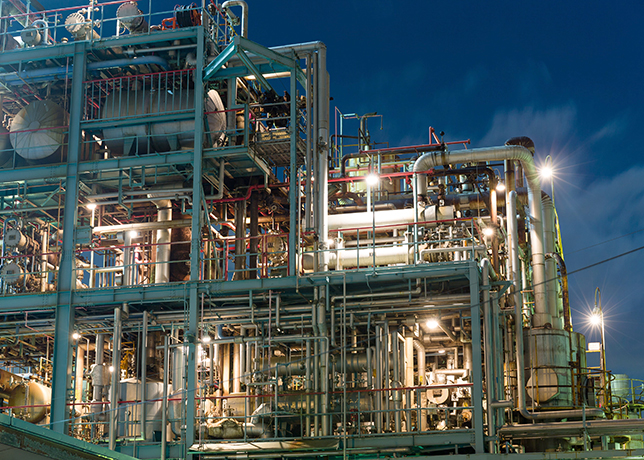
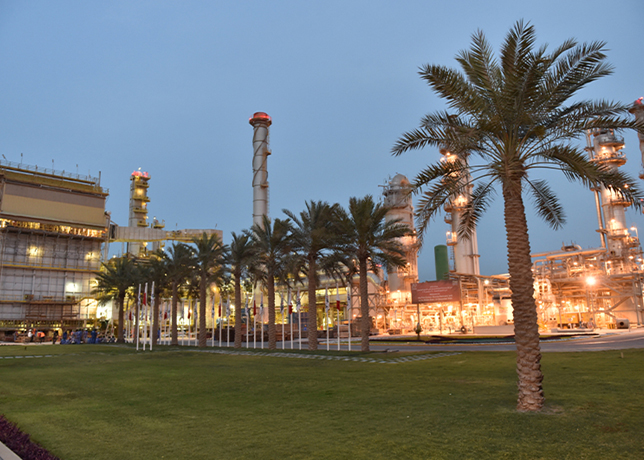
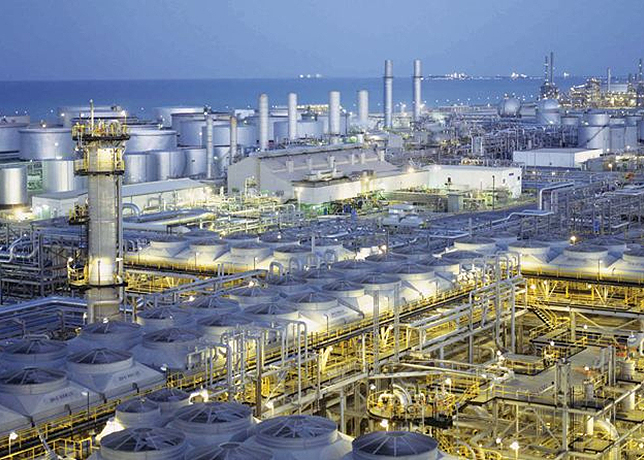
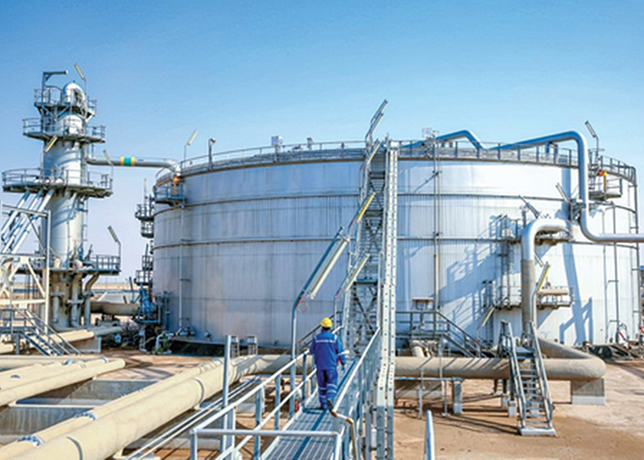
The company shut its 150,000 barrels per day (bpd) refinery and suspended its tender process to import oil products into the country due to the crisis.
Aden refinery exports on average about 50,000 tonnes of naphtha every month and jet fuel occasionally. Yemen is reliant on imports of motor fuels gasoline and diesel, importing about 300,000 tonnes every month.
There is no shortage of fuel yet as there are still stocks available in the refinery, though its distribution system is not working properly, the source says without elaborating.
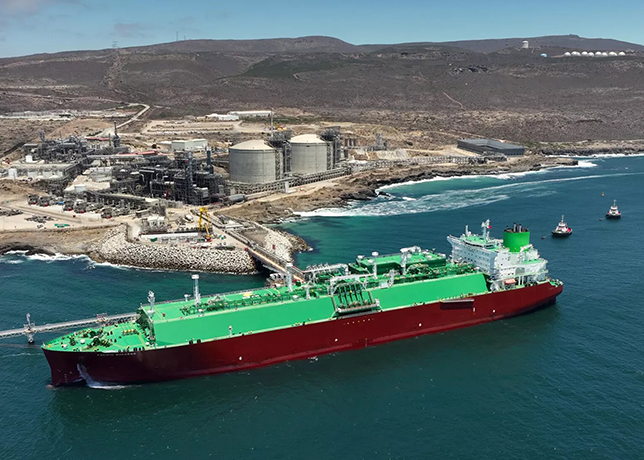
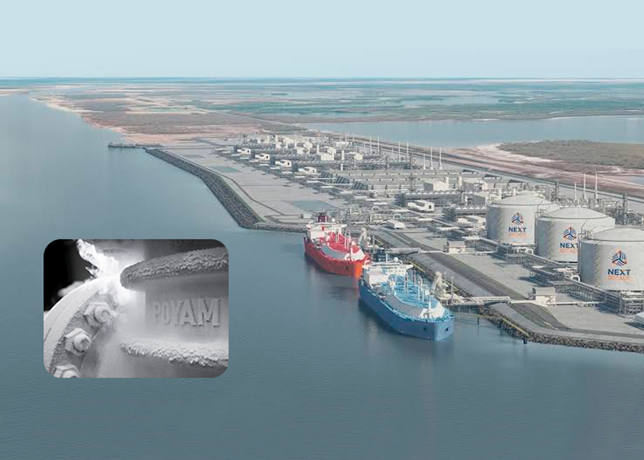
Yemen’s liquefied natural gas (LNG) plant says it has declared force majeure due to worsening security and has halted all production at the plant.
Fighting in Yemen is scaring off shippers, with at least four oil and natural gas tankers that were headed to Yemen being diverted recently.
The diesel cargoes that are being diverted from Yemen are being shipped either to Singapore or into storage in Fujairah, in the Middle East, traders says.
"If the rebel forces are not able to control any part of the ports then imports may resume, but otherwise vessel owners will deem it not safe or suitable to discharge cargoes into Yemen," says a trader who supplies fuel to the country.
This is expected to weigh on the Asian gasoil margin, which has already dropped to its lowest this year.
Recently pumping around 100,000 bpd, Yemen is a relatively small oil producer but it sits along a key transport route for oil tankers in the region. The country exported some 47,000 bpd of crude last year, down from about 66,000 bpd in 2013, according to official figures.
While Yemen’s port of Aden itself is not an important oil trading hub, some industry players previously raised concerns that its strategic location on the choke point between the Red Sea and the Gulf of Aden could become a problem if the conflict in Yemen were to escalate further.
The Bab-el-Mandeb strait right near the port serves as the transit point for some of the biggest oil trading routes, which go through the Suez Canal.


