















Sustainability is increasingly shaping strategic decision-making across the petrochemical industry, and SABIC’s initiatives illustrates how environmental, social and governance priorities are being integrated into business operations, risk management and long-term value creation.
From carbon reduction and renewable energy deployment to circular-economy solutions, workforce development and supply chain optimisation, the company is embedding sustainability considerations into both operational execution and corporate strategy, while aligning future ambitions with evolving regulatory frameworks.
The process is integrated with enterprise risk management, stakeholder engagement and executive-level oversight, ensuring that climate change, energy efficiency, circularity, resource efficiency, workforce management, supply chain performance, health and safety, and governance are directly linked to business strategy.
SABIC’s sustainability performance over the past 15 years highlights both achievements and challenges.
Against a 2010 baseline, the company reduced greenhouse gas emissions intensity by 22.9 per cent, water-consumption intensity by 20.3 per cent and material-loss intensity by 55.5 per cent by the end of 2025.
Energy intensity fell by 12.8 per cent, below the company’s 25 per cent target, reflecting feasibility constraints arising from market conditions and capital-cost considerations.
Meanwhile, absolute Scopes 1 and 2 emissions declined by 16.9 per cent from the 2018 baseline, moving the company closer to its interim target of a 20 per cent reduction by 2030.
DECARBONISATION PATHWAYS GUIDE LONG-TERM INVESTMENT
SABIC’s decarbonisation roadmap reflects both technical feasibility and economic considerations.
Energy efficiency improvements rely largely on mature technologies and asset reliability enhancements, while renewable electricity procurement is linked to renewable energy certificates and national policy frameworks.
Long-term initiatives such as electrification and low carbon hydrogen require larger capital commitments, strategic partnerships and the advancement of emerging technologies.
During 2025, SABIC advanced several projects supporting these objectives, such as energy efficiency initiatives, which included completion of a major project at an MTBE production unit and implementation of a low temperature recovery system, both contributing to improved plant performance and lower emissions.
Renewable energy adoption also accelerated. In its Europe facilities, 65 per cent of electricity consumption was sourced from renewable energy, resulting in a cumulative 79 per cent reduction in electricity related indirect emissions compared with 2018.
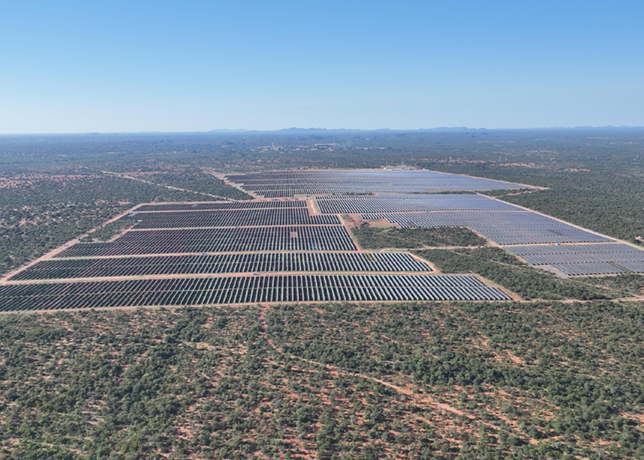
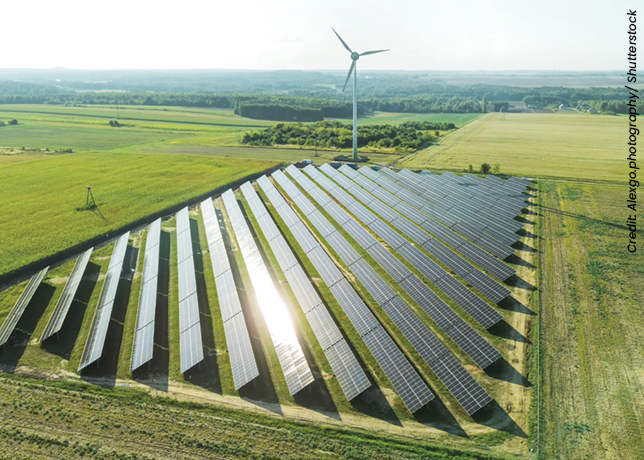
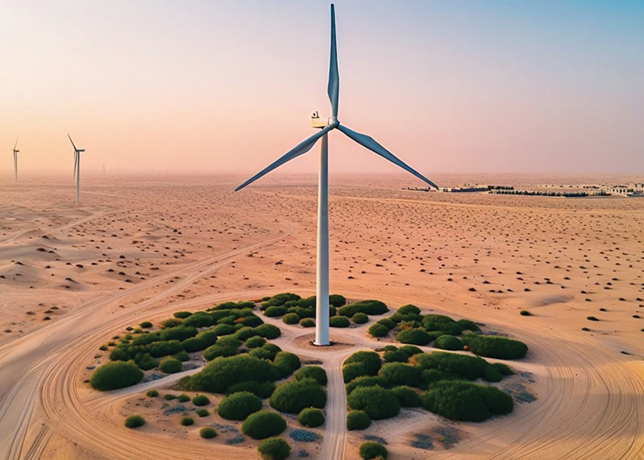
The Shanghai Technology Centre achieved 100 per cent renewable electricity, while solar installations in Shanghai, Nansha and Chongqing expanded on site renewable generation capacity.
Carbon capture remains a significant component of the company’s strategy, with its Jubail carbon capture facility capable of processing up to 500 kilotonnes of carbon dioxide annually from glycol production operations.
Captured carbon dioxide is converted into methanol and 2-ethylhexanol, with product carbon footprint accounting independently certified under the ISCC Carbon Footprint Certification scheme.
Total carbon dioxide utilisation, including carbon captured from ammonia production and converted into urea, reached 3.9 million tonnes during 2025.
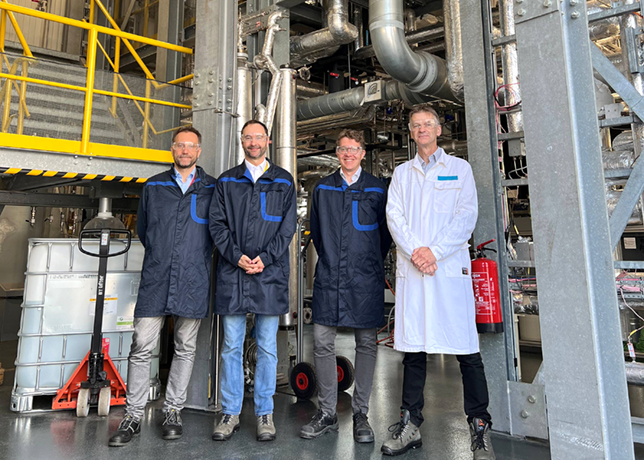
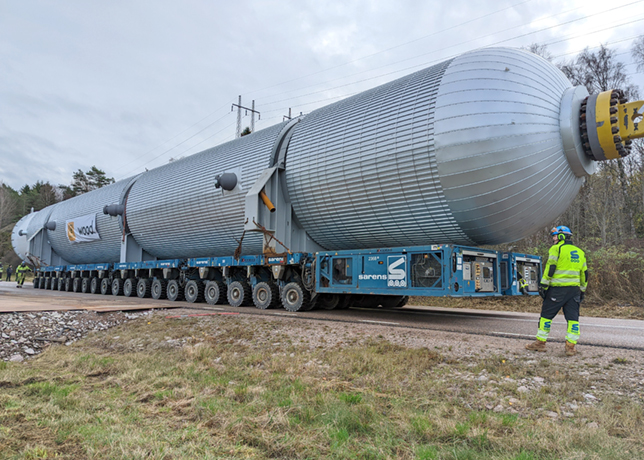
Electrification initiatives also progressed through the SABIC-BASF-Linde steam cracker electrification project.
Extended testing continued on what is described as the world’s first large scale demonstration plant for an electrically heated steam-cracking furnace.
The technology has the potential to reduce direct emissions from one of the industry’s most energy intensive processes by approximately 90 per cent.
CREATING VALUE THROUGH CIRCULARITY & RESOURCE EFFICIENCY
Circular economy initiatives are centred on sustainable product design, lifecycle assessments, carbon footprint management and business model innovation.
The company continues expanding the use of recycled and bio renewable feedstocks while pursuing waste reduction across its value chain.
A key enabler is SABIC’s product carbon footprint automation platform, which calculates carbon footprints across the company’s product portfolio using primary manufacturing data.
Certified to ISO 14067:2018 and Together for Sustainability (TfS) guidelines, the system supports customer disclosure requirements, product certification programmes and regulatory reporting, including alignment with European Union Carbon Border Adjustment Mechanism requirements.
Resource efficiency remains another strategic priority. Water stewardship efforts rely on monitoring systems, wastewater inventories, periodic optimisation assessments and exploration of recycling opportunities with regional utility companies.
Material loss reductions have been driven primarily by lower flaring volumes and increased carbon dioxide utilisation, alongside process optimisation measures and upgraded fuel gas systems.
Flaring emissions have declined by 57 per cent from the 2010 baseline, approaching the company’s 65 per cent target.
Biodiversity has also emerged as a material business topic.
During 2025, SABIC launched a biodiversity assessment programme covering company-level, sector-focused and site-specific evaluations across selected facilities in Europe and Saudi Arabia to identify nature related risks and opportunities and support future performance measurement.
WORKFORCE, SUPPLY-CHAIN RESILIENCE AND SAFETY UNDERPIN PERFORMANCE
SABIC’s sustainability strategy extends beyond environmental performance into workforce management, responsible sourcing and occupational safety.
Workforce development initiatives include leadership programmes, scholarship schemes, AI-enabled learning platforms, global assignments and mentoring programmes.
Average training reached 67 hours per employee during 2025, while employee survey participation rose to a record 81 per cent.
Supply chain management is positioned as both a business performance and sustainability lever.
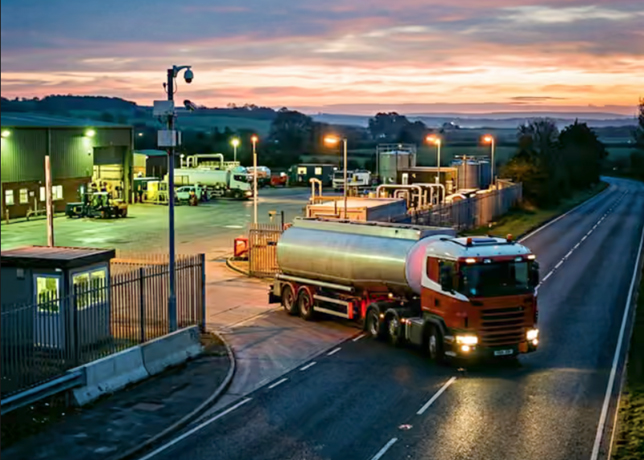
SABIC supplies customers in more than 60 countries through over 142 distribution locations and delivers more than 36 million metric tonnes of products annually.
During 2025, network optimisation improved lead times, reduced reliance on long haul feedstocks and strengthened logistics resilience amid geopolitical disruption.
Health and safety performance showed measurable improvement. The total recordable injury and illness rate fell 22 per cent year on year to 0.07 per 200,000 hours worked, while the Tier 1 process-safety-events rate improved by 30 per cent to 0.005.