













































 The oil and gas industry urged to become part of the climate action solution
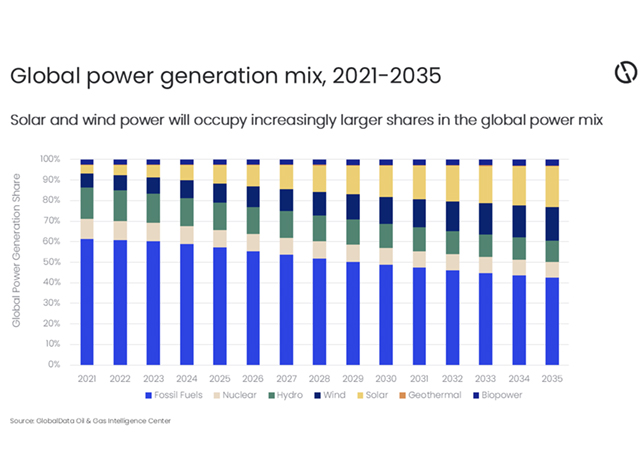
The oil and gas industry’s efforts in climate action, especially committing resources to clean energy, may not currently be encouraging, but they offer the potential for crucial contributions.
Currently, the industry invests only about 2.5 per cent ($20 billion) of its total annual capex of $800 billion in clean energy, and accounts for only 1 per cent of global clean energy investment.
But in scenarios presented by the International Energy Agency (IEA), this could go up to 8 per cent of the global share.
In the report, ‘The Oil and Gas Industry in Net Zero Transitions’, the IEA suggests oil and gas producers put 50 per cent of their investments in clean energy by 2030, on top of the investment needed to reduce Scope 1 and 2 emissions, if they want to play their full part in meeting Paris Agreement goals.
The report reveals that more than 60 per cent of the present investment came from only four companies: Equinor, TotalEnergies, Shell and BP, which spent each around 15-25 per cent of their total budgets on clean energy. This leaves room for other producers to step up.
Contrary to misconceptions, the net-zero transition offers opportunities for the industry. The IEA report finds the sector well placed to scale up some crucial technologies for clean energy transitions.
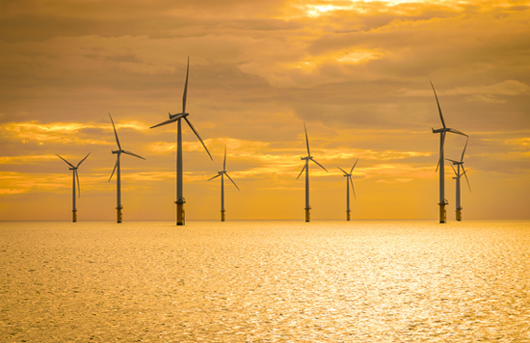
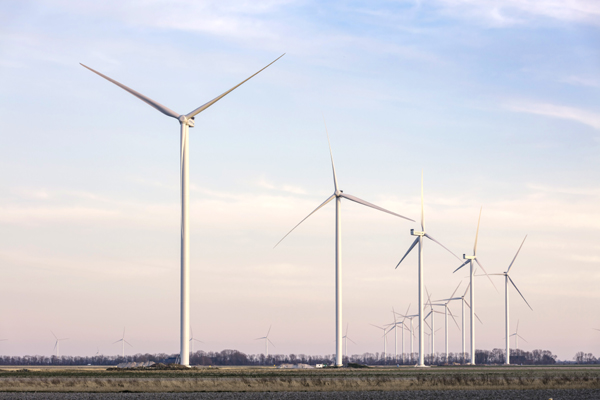
In fact, up to 30 per cent of energy generated by clean energy systems could benefit from the industry’s skills and resources, including hydrogen, carbon capture, offshore wind and liquid biofuels.
The IEA also doesn’t deny the fact that some investment in oil and gas is needed to ensure the security of energy supply and provide fuel for sectors in which emissions are harder to abate.
Oil companies, both national and international, are all critically important stakeholders in their host countries and will also be critical to efforts to achieve net-zero transitions, both domestically and globally.
The profits made by them have helped governments to finance a great deal of public spending, while supporting public infrastructure investments and employment.
Also, the sector’s corporate venture capital (CVC) investments in clean energy start-ups increased fivefold since 2018, hitting $1.2 billion in 2022. This was mainly driven by hydrogen, CCUS and renewable energy technologies.
In a situation where a national oil company (NOC) might decide to retain a focus on liquids production, leveraging its existing assets while building up new capabilities to produce low-emissions fuels, the IEA presents a promising scenario.
It estimates that if the NOC would invest $15 billion annually until 2050 to undertake this transformation of its energy portfolio, it would find 55 per cent of its capex invested in low-emissions fuels and products, 25 per cent in carbon removal and the remainder 20 per cent in oil supply.
The IEA also calls upon governments to change their oil and gas fiscal regimes in order to give companies more space to invest in clean energy.
In an ambitious situation, where government taxes (currently 50 per cent of industry revenue) and shareholders dividends (currently 10 per cent) fall to 35 per cent and 5 per cent, respectively, the oil and gas industry can be left with 50 per cent capex, or $300 billion, to spend on clean energy. That's 8 per cent of all investment in clean energy in 2030, up from just over 1 per cent today.
'Oil and gas producers around the world need to make profound decisions about their future place in the global energy sector. The industry needs to commit to genuinely helping the world meet its energy needs and climate goals,' said IEA Executive Director Fatih Birol.
By Abdulaziz Khattak