























































The oil and gas industry enters 2026 amid a slowdown in the global energy transition.
Despite recurring climate disasters—record-breaking wildfires and extreme heatwaves—and pressure to cut emissions, energy-related carbon continues to rise, highlighting fossil fuels’ dominance, according to GlobalData’s "Energy Transition in Oil & Gas" report.
Major companies remain committed to decarbonisation, maintaining net-zero targets for 2050 and interim 2030 goals, but strategies have become cautious due to market volatility and policy uncertainty.
Ravindra Puranik, GlobalData Analyst, notes that most transition efforts remain limited to early discussions and pilot projects rather than large-scale implementation.
BP has increased upstream oil and gas investments, scaled back renewable projects, and lowered near-term emissions targets, while Shell halted its Rotterdam renewable fuels plant.
This shift reflects a broader industry trend toward financial discipline and reliance on conventional energy.
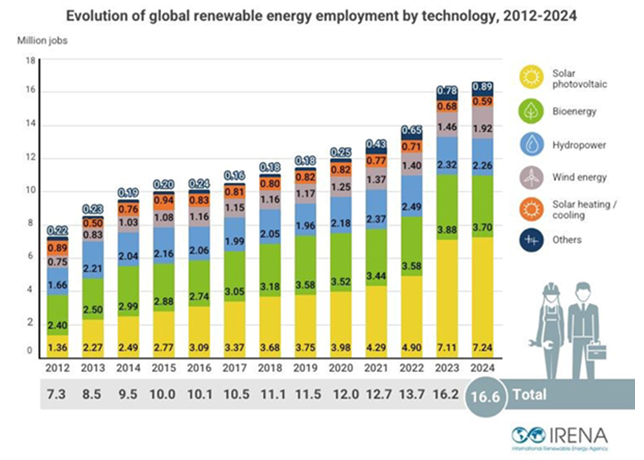
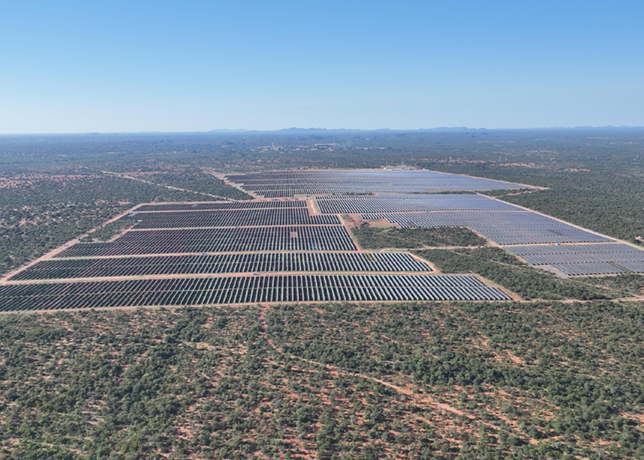
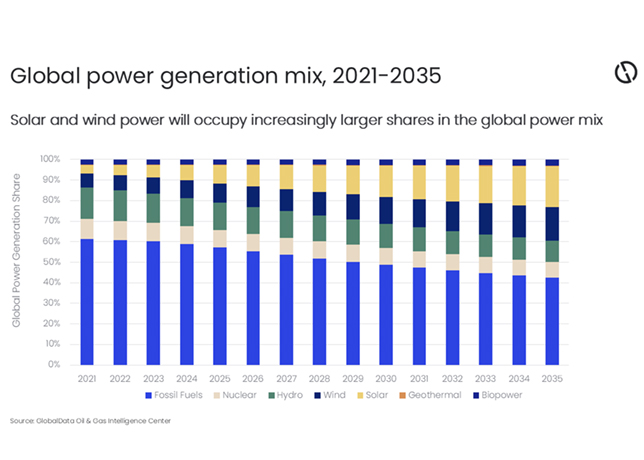
Investment in renewables, especially wind and solar, continues but with hesitation.
Carbon capture, hydrogen, low-carbon fuels, and energy storage are explored as alternatives, yet strategic retrenchment dominates 2025.
Profitability pressures, inflation, and reduced government incentives, particularly in the US, have heightened uncertainty around renewable projects.
Puranik concludes that today’s energy transition is incremental and pragmatic.
Companies prioritise financial prudence and energy security, with large-scale low-carbon projects still contingent on market conditions and policy evolution.
While innovation persists, the rollout of transformative renewable solutions remains measured and cautious, signalling a slower momentum in the industry’s path toward decarbonisation.