























Africa’s energy sector is entering a decisive phase as shifting geopolitics, intensifying trade disputes and supply-chain diversification drive international partners towards the continent’s vast resource base and improving regulatory landscape.
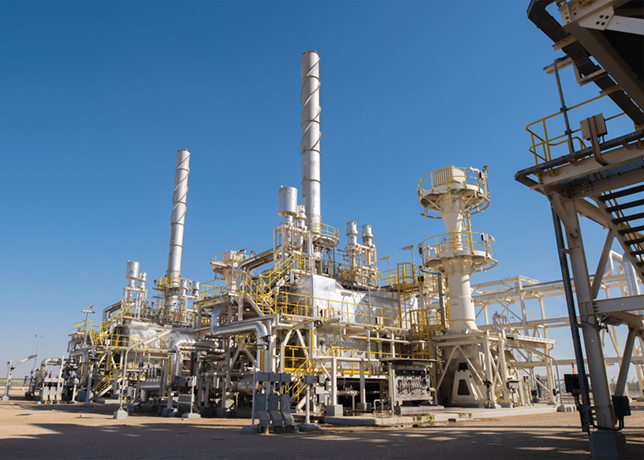
With more than 125 billion barrels of crude reserves, 620 trillion cu ft (tcf) of natural gas and extensive solar, wind and hydropower potential, Africa is strengthening its competitiveness for foreign capital, even as a financing gap of $31 billion to $50 billion continues to constrain infrastructure rollout, project execution and industrial expansion.
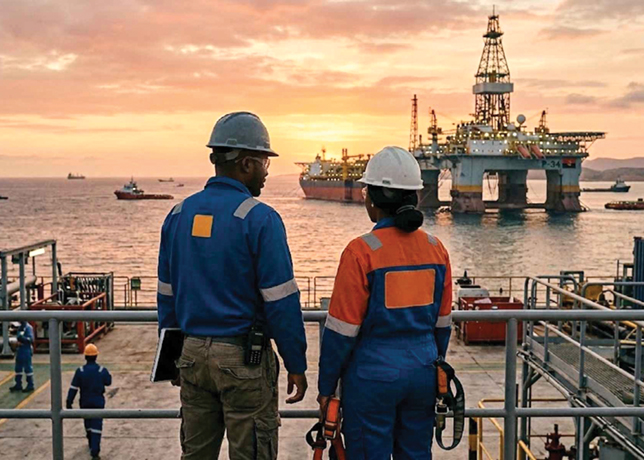
Recent upstream activity illustrates this momentum. Licensing rounds across Libya, Angola, Nigeria and Algeria have opened new acreage for major players, while strategic divestments are enabling local and regional operators to expand portfolios.
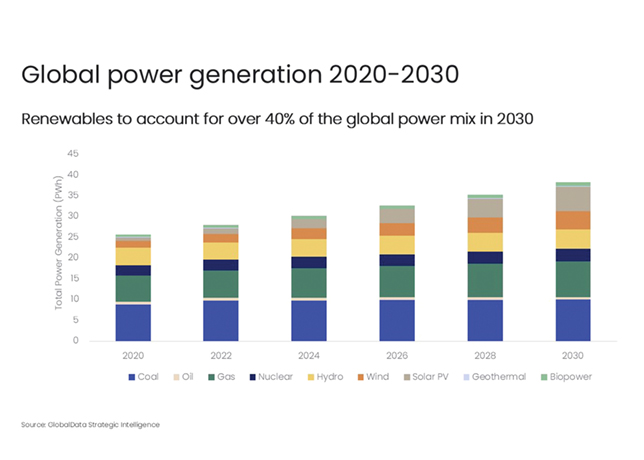
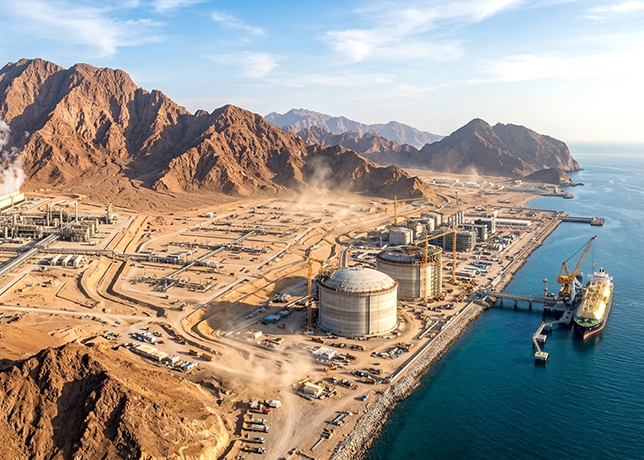
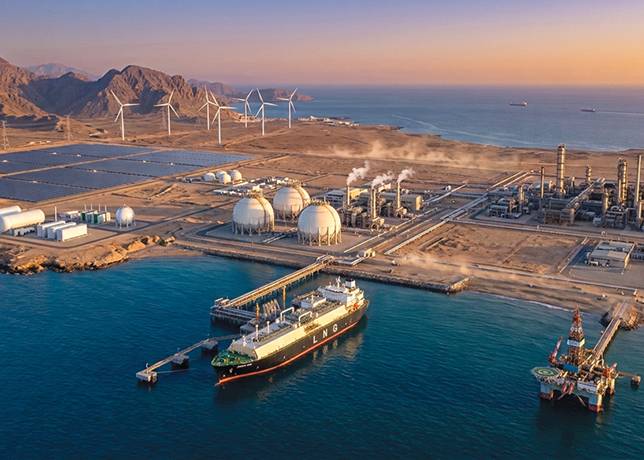
Gas development is advancing through large-scale LNG projects, including Congo LNG Phase 2, Greater Tortue Ahmeyim and the resumption of Mozambique LNG, signalling capacity for billion-dollar investments. Meanwhile, more than 13 GW of utility-scale solar and wind capacity is under development, and green hydrogen output could reach 50 million tonnes per annum by 2035.
Investment decisions are increasingly shaped by strengthened fiscal and legal frameworks, rising domestic partners and intensifying global competition for secure, diversified supply.
At the same time, capital discipline is sharpening focus on technical certainty, subsurface data and operational efficiency as primary determinants of project viability and risk allocation.
This alignment of resource scale, regulatory reform and technical evaluation is repositioning Africa from a historically attractive destination to an increasingly competitive energy investment environment within tightening global capital markets.
This trajectory underscores the continent’s growing strategic weight in international energy investment decisions and partnerships worldwide.