




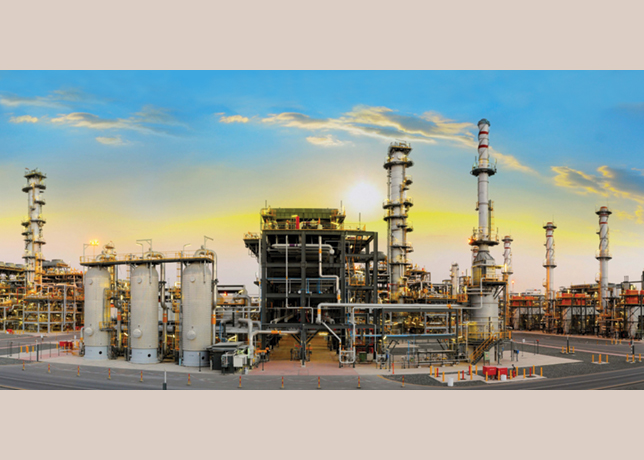













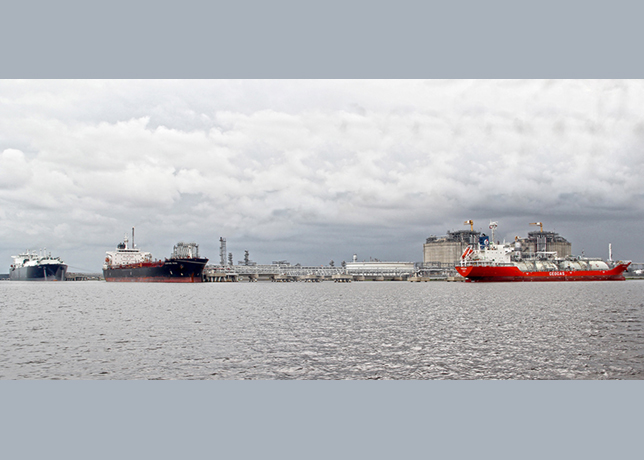
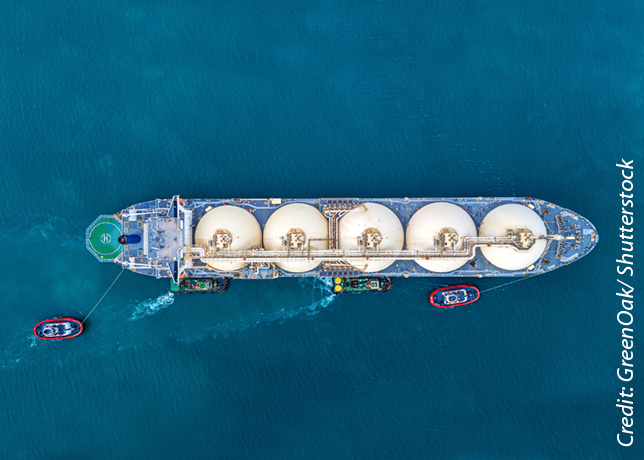

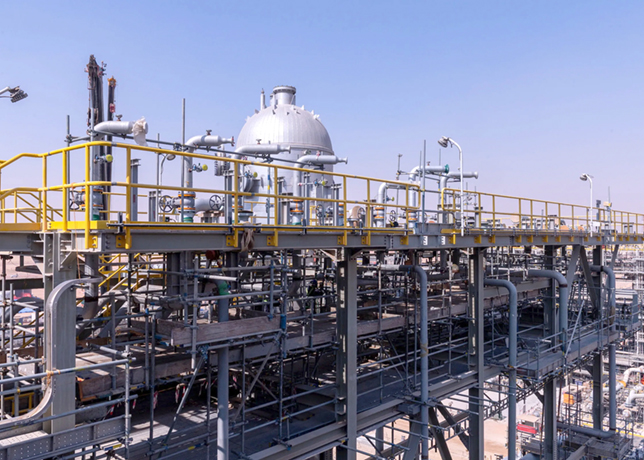
















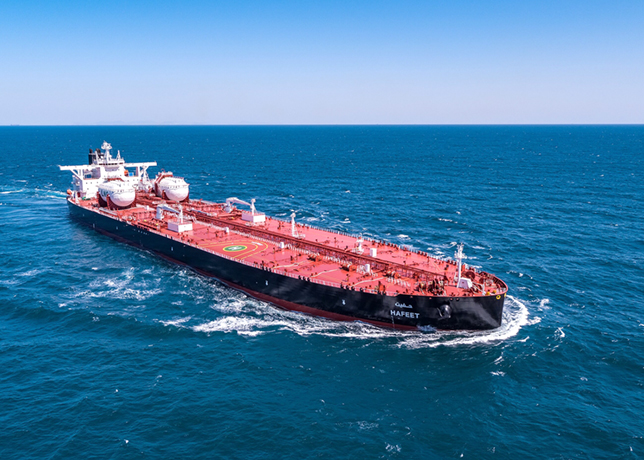



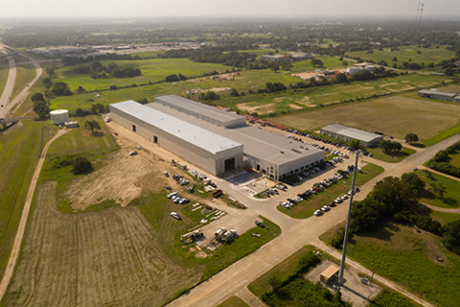



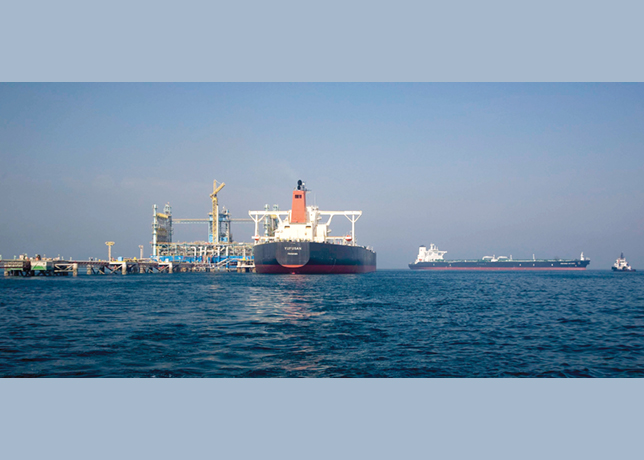
 The RasTanura ship terminal
Heightened geopolitical tensions should accelerate investments in alternative export routes, and drive the emergence of a resilient, multi-route energy logistics system designed to safeguard global supply
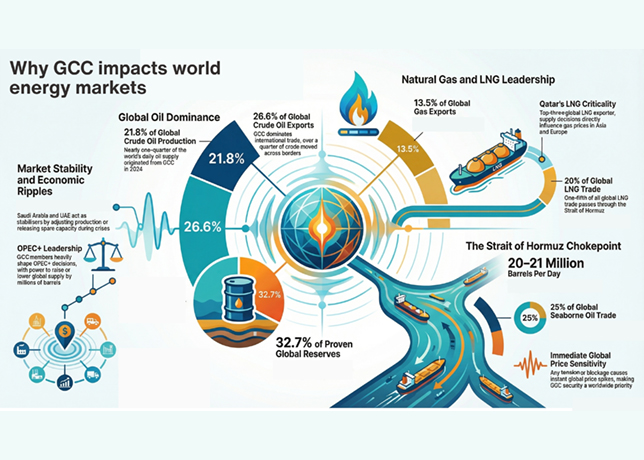
The Strait of Hormuz, through which roughly 20–21 million barrels per day (bpd) of crude oil and petroleum liquids transit, representing close to one-fifth of global consumption, remains one of the most strategically sensitive energy chokepoints in the world.
Its narrow shipping lanes and proximity to regional flashpoints have long embedded structural risk into global energy logistics, but recent geopolitical tensions have intensified concerns over supply disruption, insurance costs and freight volatility.
For the oil-rich Arabian Gulf states, whose fiscal stability and global influence remain closely tied to uninterrupted hydrocarbon exports, the imperative has shifted from managing risk to structurally mitigating it.
The Gulf Research Center identifies the Strait as a systemic vulnerability in global energy supply chains due to its concentration of export volumes and limited immediate alternatives.
Neil Crosby, AVP Oil Analytics at Sparta, notes: "For decades the industry operated on the assumption that Hormuz was simply ‘too big to fail’; that naval forces would always step in quickly to keep it open.
"What this crisis is showing is that the disruptive period before that happens can be enormously damaging for global energy supply. Even if governments say the strait is open, the real decision sits with shipowners and crews. If tankers are being attacked, they won’t sail. And when ships stop sailing, the market very quickly moves from a pricing problem to a physical availability problem."
This reality is shaping policy and investment decisions across Gulf producers, where safeguarding export continuity has become inseparable from broader economic and geopolitical strategy.
A CONSTRAINED ARTERY IN A HIGH-VOLUME SYSTEM
The Arabian Gulf holds approximately 48 per cent of global proven oil reserves and a significant share of internationally traded crude exports.
This concentration has historically relied on maritime transport through the Strait of Hormuz.
However, the Strait’s physical constraints amplify this vulnerability. Shipping lanes in the Strait are only two miles wide in each direction, requiring tightly coordinated tanker movements and leaving limited margin for disruption.
Even minor incidents can trigger cascading effects across global markets, as delays accumulate and supply expectations shift.
Insurance markets respond rapidly to such conditions. War risk premiums for tankers transiting the Gulf have historically risen sharply during periods of tension, in some cases increasing several-fold within days of escalation.
These cost increases feed directly into delivered crude prices, influencing market benchmarks and trade flows.
For Gulf producers, this creates a structural imbalance. While the region’s advantage lies in its ability to supply large volumes of competitively priced hydrocarbons, its reliance on a single maritime corridor introduces systemic exposure that cannot be mitigated through production policy alone.
As a result, attention has shifted towards infrastructure capable of reducing dependence on geographic bottlenecks.
WAR-DRIVEN RECALIBRATION OF EXPORT INFRASTRUCTURE
While upstream operations across the Gulf have largely remained insulated from direct disruption, instability in transport and logistics has prompted a reassessment of export strategies.
Rather than reacting to individual incidents, Gulf states are embedding resilience into the physical architecture of their energy systems.
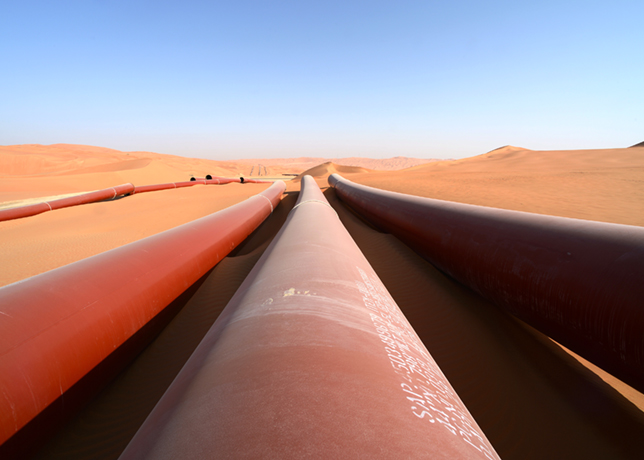
A central component of this shift is the expansion of pipeline networks designed to bypass the Strait of Hormuz.
The Abu Dhabi Crude Oil Pipeline (ADCOP), for example, has a capacity of around 1.5 million bpd, enabling exports from the UAE’s inland fields to the port of Fujairah outside the Strait.
Similarly, Saudi Arabia’s East–West Pipeline can transport up to 5 million bpd from the Gulf to the Red Sea coast, providing a critical alternative export route.
Amin Nasser, Aramco CEO, in March said the pipeline was expected to reach its full capacity of 7 million bpd in the coming days as customers re-route.
These investments are capital-intensive and reflect long-term strategic planning. They also signal a broader redefinition of energy security within the region.
In parallel, there is growing emphasis on integrated export corridors combining pipelines, storage and port infrastructure.
Strategic storage capacity, both domestic and overseas, has expanded to provide buffering against short-term disruptions and enhance supply flexibility.
This enables producers to maintain contractual commitments even when transport conditions are constrained.
EMERGENCE OF MULTI-ROUTE EXPORT ARCHITECTURE
Instead of relying on a single dominant pathway, the region is developing interconnected routes that can be deployed interchangeably, depending on operational and geopolitical conditions.
Maritime routes through the Strait remain central but are complemented by alternative pathways that enhance flexibility.
According to the International Energy Agency (IEA), such diversification of export routes is increasingly critical to maintaining global supply stability amid rising geopolitical uncertainty.
For global energy markets, this evolution strengthens supply reliability, mitigating the impact of regional disruptions on prices and availability.
For importers, particularly in Asia, which accounts for the majority of Gulf crude demand, it enhances confidence in the continuity of supply.
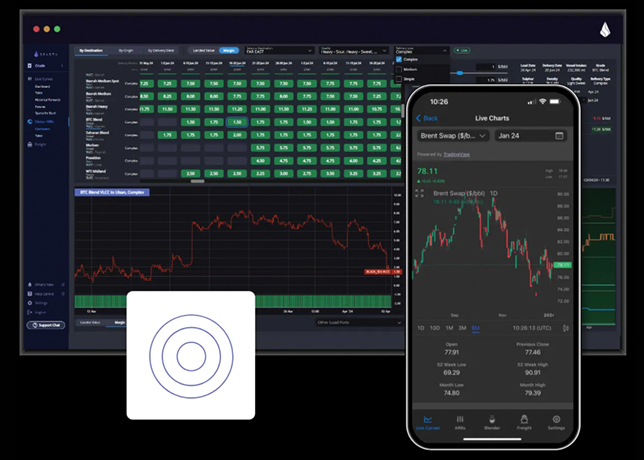
The shift towards a multi-route system also aligns with broader trends in energy logistics, including digital monitoring and real-time operational management.
Enhanced visibility across shipping, pipeline flows and storage levels enables more precise coordination, allowing operators to respond rapidly to emerging risks.
At the policy level, logistical resilience is increasingly embedded in national energy strategies. Infrastructure investments are evaluated not only on capacity and cost, but on their contribution to system-wide stability.
In a volatile geopolitical environment, the ability to sustain exports under disruption is becoming a defining feature of long-term competitiveness.
By Abdulaziz Khattak