





















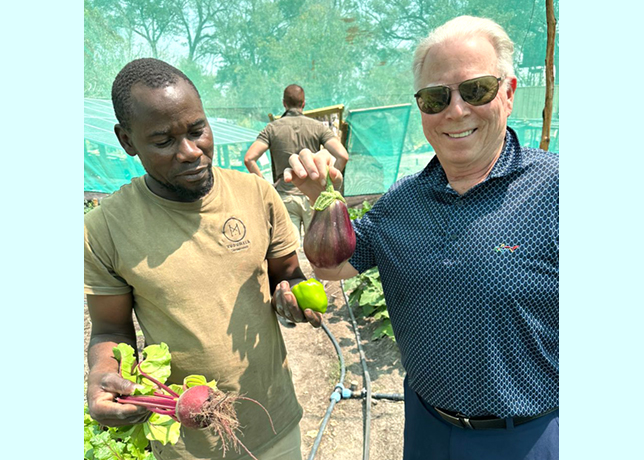
Ecoflix’s global mission is to inspire children and adults alike through films, while proving entertainment can drive measurable environmental action worldwide without sacrificing values or impact
After nearly four decades in courtrooms, David Casselman concluded storytelling could defend wildlife more powerfully than litigation.
This ultimately inspired the creation of Ecoflix, a platform built to scale compassion through film for global conservation impact efforts.
Rejecting profit-first streaming norms, the service directs all contributions to conservation while partnering nonprofits and local filmmakers to cut costs and carbon.
It avoids graphic imagery, favouring inspiring, child-friendly storytelling designed to educate audiences and transform concern for nature into tangible protection worldwide with results tracked through partner reporting systems.
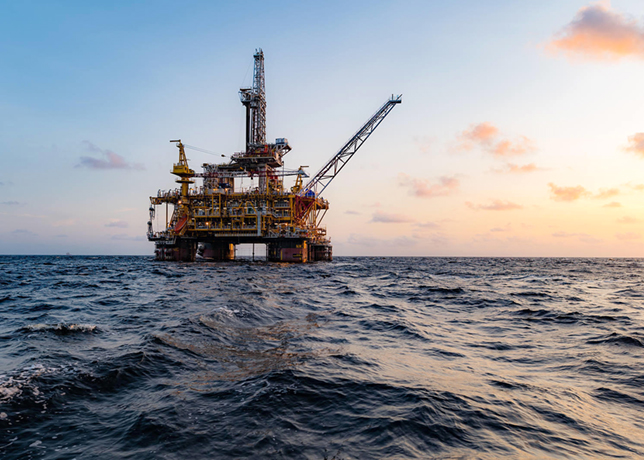
Looking ahead, Casselman believes values-driven media can reshape energy and climate debates by highlighting solutions from renewables to conservation, he tells OGN energy magazine in an exclusive interview.
You spent nearly four decades as a top trial lawyer before quietly building Ecoflix over the last five years. Looking back, what moments or realisations convinced you that storytelling, rather than litigation, was where you could now make the greatest impact for wildlife?
Well, to be honest, after decades of fighting major battles full time, I was glad to wind down my law practice.
After years of intense pressure and preparation for court hearings, trials, appeals, and confrontational meetings, I was happy to focus on something less stressful.
But, ironically, my awareness of my passion to protect animals, and then the planet, was also a product of my legal work.
While I can see why that might seem to be contradictory, I assure you that is how it happened. Let me explain:
As a young lawyer, I was surprised to learn that among the many things lawyers do, I was asked to represent the interests of animals whose owners needed help.
In such cases there were legal complications that required outside assistance: Issues that required lawyers.
Not long after I started taking such cases, I found them to be not just a change of pace; but also gratifying in a different way.
In short, I really enjoyed helping animals. They had no voice…and without help, absolutely no chance.
But almost as quickly, I learned that often, owners would ask for my help, but could not afford, or, at least, could not justify, the cost of paying a lawyer to save their pet dog, cat, horse, etc.
As a result, I was forced to make a difficult choice: Either refuse the cases, which was tantamount to sentencing the animals to death, or do what I could to save them. So, I made the only choice I could accept. And the more I helped, the more I enjoyed it.
As a result, I spent a considerable amount of the last 40 years of my career representing animals without charging anything for my time.
I really felt that I was making a difference; something not always possible in traditional litigation matters.
But when I retired, things changed. I no longer felt comfortable taking on new cases, of any kind; I was done.
But the only thing I found myself missing was the important work I had been doing to help animals.
So, I had to reinvent myself. The goal was to do more, indeed much more work for animals and the planet; but outside the legal arena.
It took me a few weeks to figure out how, and soon after I formed the Ecoflix Foundation, and then the Ecoflix Channel.
Ecoflix operates in direct contrast to profit-first streaming models, donating 100 per cent of its contributions to conservation projects. Was there ever pressure (financial or strategic) to compromise on that principle, especially during the platform’s early growth?
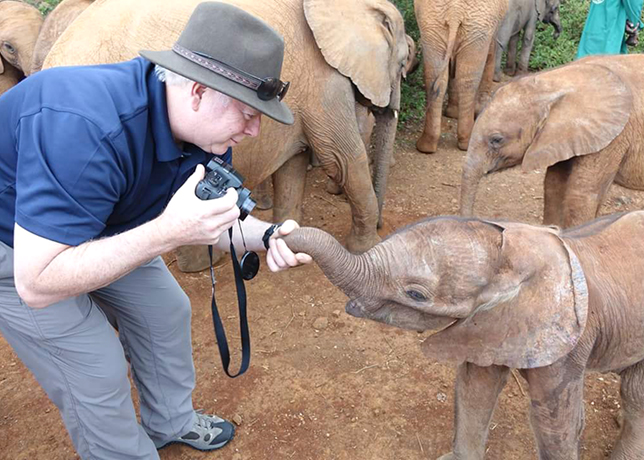 |
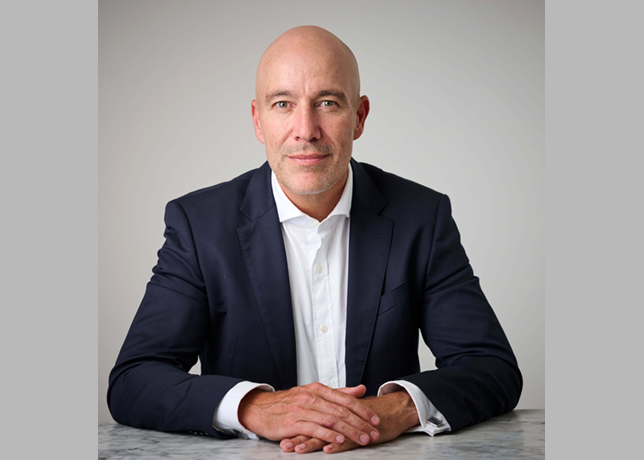
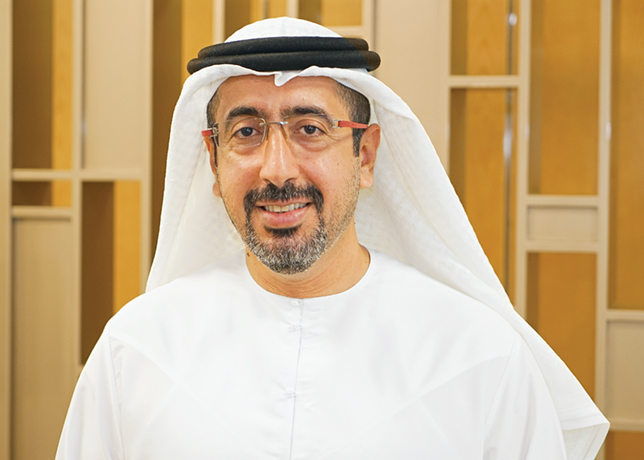
David Casselman at the site of one of |
Only every day. But the reasons for starting Ecoflix did not vanish. Often, they seem more urgent.
So, to address those challenges directly, we have been working globally, both alone and in partnership with other equally dedicated nonprofits.
Our singular goal is to tackle the challenges facing animals and our one and only planet.
We are doing that in several ways: Sometimes we partner with other entities to accomplish important things; other times we make films to promote important causes.
Still other times, when it seems that no one else is taking on important issues, we dive in and do our best to try and make a difference.
At all times, we accept that our goal is to protect the voiceless; save the innocent, and make a difference every day, there is always something more we can do.
Wildlife and environmental content often walks a fine ethical line between awareness and exploitation. How does Ecoflix decide which stories should be told, and just as importantly, which ones should not?
This is an important question, with only one answer, at least, for us. We do not seek to lecture or berate anyone.
We all have choices to make in our lives. We view our goal quite simply: We seek to educate, entertain and inspire children of all ages.
This does bring challenges, but most of the time, we know the right answers.
As an example, we will never show gruesome images of animals being killed, even as part of the natural process.
Our goal is not to defend or criticise animal or human behaviour; it is to reveal nature in all of its beauty, without misrepresenting reality.
But not everything which happens is appropriate for a film audience, particularly young children.
People who want to see gruesome images of animals being slaughtered, whether by wild animals or supposedly civilised humans, can find that kind of content elsewhere.
We want our programming to be educational, beautiful and inspiring, but most of all, appropriate for young children.
We want parents to know and trust that their children can watch Ecoflix all day and never see anything offensive or inappropriate.
But our favourite stories often involve human efforts to make difference, changing the many decades of pure domination and destruction, in favour of enlightened efforts to live in harmony with nature.
We either learn this lesson soon, or the self-proclaimed “most intelligent animal that ever lived” will soon become extinct, in a tiny fraction of the time dinosaurs ruled the earth.
So, we do our best to offer films that will educate and inspire humans who are willing to consider the truth, and the likely outcome of continuing to do the same things while expecting different results.
From a production standpoint, what are the most underestimated creative or logistical challenges in making conservation documentaries that are both emotionally engaging and scientifically responsible?
There are many answers to this issue which we face almost every day, but the single biggest logistical issue is our policy of using only local camera crews.
The billion-dollar companies think nothing of flying people everywhere and anywhere to imbed themselves into an environment and get the “money shot”.
And I suppose if you are competing with other billion-dollar companies, that seems like a requirement. But we see the situation differently.
If you are destroying the planet as part of your efforts to make a film about the beauty and importance of nature, how can you justify that?
We believe that the goal is to save nature, not preach about doing that. So, we do not fly film crews across the planet to capture film that local filmmakers can capture on their own.
We save the carbon, employ locals, and partner with local nonprofits wherever possible to both promote their good work and capture it on film, without adding to the human footprints, which explain so much of our current dilemma.
And yes, there are many other challenges. But for Ecoflix, this is probably our single biggest filmmaking challenge.
Many environmental platforms struggle to convert concern into action. How does Ecoflix ensure that watching content translates into measurable, on-the-ground conservation outcomes rather than passive consumption?
Unlike most nonprofits, we do not work alone; this is not a competition. Indeed, teamwork will ultimately be necessary across the globe if we are going to turn things around and preserve our one and only home environment.
So, we align ourselves with high quality nonprofits who share our passion, need our help, and are also willing to collaborate.
There will be no single winner in this competition against destruction of our natural world. We need all of the help we can get.
So, we collaborate with as many like-minded people and organisations as possible.
Only with help from all corners of the globe can we change the trajectory of our future.
With the inspiration which is available in almost every corner of the planet, we hope to inspire those who haven’t yet come to realise the danger of our situation.
We either turn things around in the next couple decades or our grandchildren will be fighting for their lives; not like us, still trying to inspire people to recognise how serious the problem has become.
So, we hope to add to the available information which reveals the astonishing beauty of nature, and how simple it would be to live in harmony with her. That is the solution.
But time is running out to make this point clear to the vast majority of people.
You’ve described Ecoflix as family-friendly and purpose-driven at a time when much of mainstream streaming leans toward darker, more sensational content. Why do you believe audiences, especially younger ones, may be ready for a cultural shift back toward values-based storytelling?
Hope springs eternal. Nature is magical, literally. Even the most skilled and expert scientists still cannot explain how many natural functions developed or continue.
But every one of them will tell you that there has never been a human who could have designed or improved upon the delicate balance nature can maintain, if we only leave it to that task.
So, without preaching, we hope to expose as many people as possible to these miracles, starting with young children.
Using AI for a positive purpose, we are creating cartoon-like shows which draw their attention, and fill them full of knowledge and appeal to their youthful wonder about the natural world.
The series is called “How the World Works” and is only available on the Ecoflix channel.
Each show answers questions that most kids ask their parents, who simply don’t know the answers.
How many parents can answer the question most kids ask: Why is the sky blue? Or why does it rain? Or what causes snowflakes?
Or where else can they learn about the magical quality of hummingbirds or cheetahs, the fastest land animal?
With scientific oversight, these shows are designed to both inspire and educate our children at a time when we must look to their generation to save humanity.
Once they have an early appreciation for nature, and how plants and animals need each other to survive, we may just have a chance to turn things around before it is just too late.
Energy, climate, and biodiversity are increasingly intertwined conversations. For an audience working in energy and sustainability, what role do you see platforms like Ecoflix playing in reshaping how these complex, sometimes polarising issues are understood?
This is an important question. Energy comes from many sources, most we know little about, so we seem unable to break away and do new and important things.
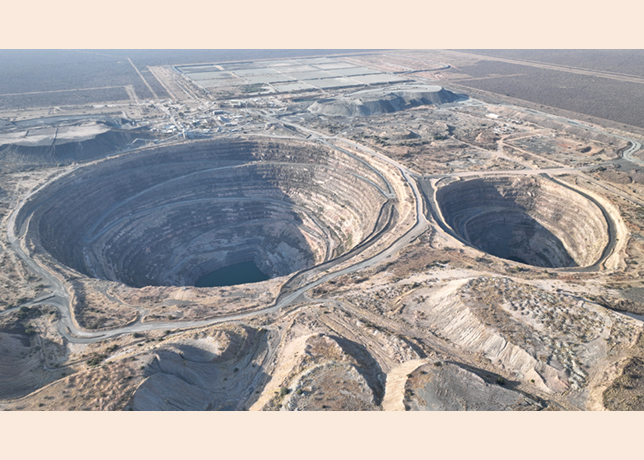
We have known about the importance of nuclear energy for decades. But rather than abandoning coal, which served humanity well for so many years, we cling to the old and fail to accept the problems associated with the old ways.
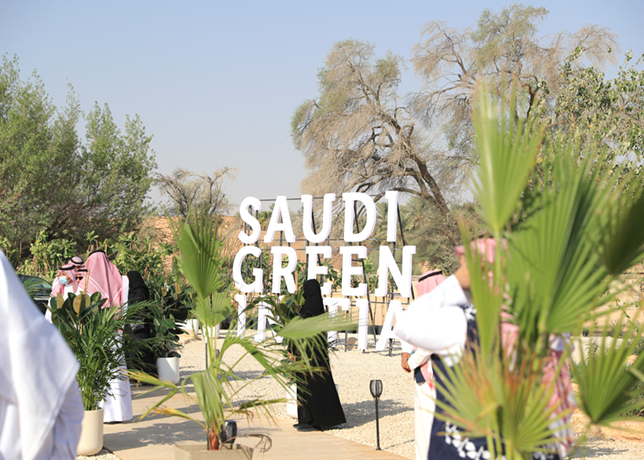
Gas, coal, and pollution of so many kinds are all unnecessary. Saudi Arabia is demonstrating in many ways that once blessed with the wealth that was generated by old technology, humanity can and must do better.
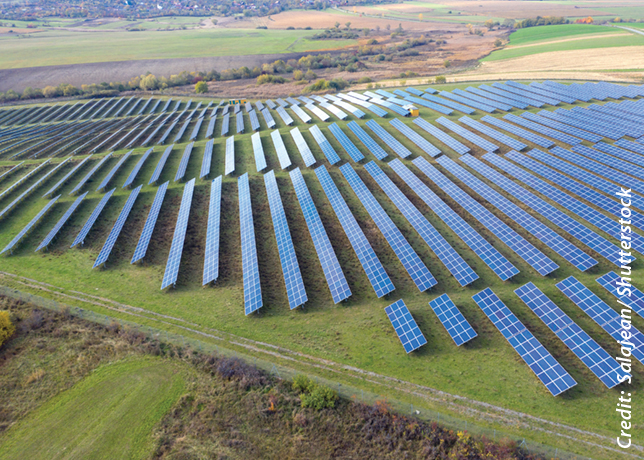
The opportunities of solar, wind, green hydrogen, nuclear fusion, and many more energy sources to come, must get the attention of the major corporations and countries.
These new technologies could be the salvation of planet earth if the “powers that be” could simply take their winnings and repurpose them to take advantage of the green opportunities which are increasingly available.
Even improving the desalination process to produce “live water” could simultaneously lower the rising ocean levels and restore parched deserts and landscapes across our planet. These technologies offer low hanging fruit.
Ecoflix hopes to be able to work with such organisations and entities to both turn the corner, moving away from destructive practices that are killing our planet, in favour of the exciting new opportunities which can literally save it.
The wealthiness nations and entities are in perhaps the best possible position to change the existing paradigm.
Given the opportunity, Ecoflix welcomes the opportunity to champion the positive work of (traditionally destructive) industries, hoping to encourage all of humanity to get on board.
When we cross the tipping point, it will be too late for any of the nay sayers to admit that they have been wrong all this time. This is not about being right; it is about saving our planet and our species.
Ecoflix is committed to helping to drive change in a positive way. We are fully aware of the importance of making money in our complex cultural environments. But money and nature are not incompatible.
Albeit imperfect, look at the massive wealth that came about with the advent of electric cars. Airplanes operating on batteries are next.
There are so many reasons to change the focus away from industries, which are destroying our planet, and become the leaders of a green economy which can literally save the world.
Beyond Ecoflix, your work with the Cambodia Wildlife Sanctuary and Love and Bananas: An Elephant Story reflects a deep, hands-on commitment to conservation. How have these experiences influenced the way you greenlight or shape content for the platform?
Yes, films like ‘Love and Bananas’, and many others, have demonstrated the power of film; they can educate and inspire.
That experience was very much a part of my conclusion that the power of film can and should be harnessed in order to truly make a difference.
But for all of the important films which have been made, we seem to be losing ground in the fight to inspire humanity to change the ways in which it interacts with nature.
This is a fight we must win which is part of the reason why we are trying to educate our children.
Our fate is in their hands, and all we can do now is try our best to inspire them to do things differently going forward.
When I was a child, the world was a truly beautiful, magical place. But just in my lifetime, it has crossed several tipping points, and most of the natural wonders we could see even in our cities are now gone.
We need film, and much more, to turn things around very soon. And Ecoflix is committed to running at full speed until we hit the tape, hoping it is enough.
Building Ecoflix largely outside the spotlight is unusual in today’s hype-driven startup culture. Was that a deliberate decision, and what advantages, or risks, came with growing quietly rather than loudly?
Yes, it is true that we could have taken a different path, but we felt that we have a lot to do ourselves before we can claim to be more than just another film company.
So, for the past seven years, we have been both working to make a difference on the ground and simultaneously building our 75 plus partnerships with large and small nonprofit organisations around the world.
On our own and in partnerships, we have been making and showcasing both new and cutting-edge films.
I accept responsibility for the fact that The Ecoflix Foundation has been reluctant to film our own projects or toot our own horn. We are not looking for credit; we are trying to make a difference on many levels.
So, we have supported existing sanctuaries and helped form new ones. We have helped to rewild large areas of land in Africa, and we are working to do the same in the UK.
We have worked hard on small projects, like stopping tourism designed to take advantage of Civet cats (kept captive to cruelly make Civet Coffee), and saving Sloths in Costa Rica, and large projects like stopping ship strikes killing an estimated 20,000 whales a year, while also working to develop the first ever elephant sanctuary in Indonesia.
We keep these, and many other projects quiet, because our goal is to get them across the finish line.
There will be plenty of time to talk about them later. But with all of the issues facing animals and our planet, we are far too busy trying to make a difference, than getting credit or attention.
Looking ahead 5 to 10 years, what would success truly look like for Ecoflix, not in platform metrics, but in terms of wildlife protection, storytelling standards, and the broader media ecosystem?
This is an important topic, but we cannot focus on it directly, because we are too busy trying to make a difference on a day-to-day basis.
Ten years go by in a flash when you look back. But with massive issues and important causes today, admittedly, we have really not spent much time planning for our long-term future.
A favourite quote of mine (attributed to Eleanor Roosevelt) is: “The past is history. The future is a mystery. Today is a gift. Perhaps that is why they call it the Present”.
From that, I take this message: We can never go back, and in truth, we can never go forward.
Everything we do must take place today, every day. So, we are working as hard as we can to make a difference today, planning to keep sprinting until we hit the tape. That is really all any of us can do.
Success for Ecoflix in the future will be simple. We will have inspired children of all ages to change the way we treat animals and our one and only home.
If we succeed in doing that, we will once again have the opportunity to live in comfort and peace, surrounded and protected by nature, on this remarkable green planet. We can do this. But we need to unite humanity around the truth.
With thoughtful and loving care, we can repair our planet even more quickly than we destroyed it. If we learned nothing else from Covid, left alone, earth can repair itself in a very short period of time.
While humans stopped traveling, the earth rebounded in remarkable ways no one expected. This was an important lesson.
Our goal is to effectively and gently deliver this message, in many ways, to the entire world. And once delivered, we hope to be able to watch ecosystems plants and animals, restore themselves and thrive.
In response, the climate will again reach stability. By then, humanity should be able to thrive on many different, new, green technologies.
And hopefully, we will learn an incredibly vital lesson about how to protect and renewably support Earth: Our home. And she needs us as much as we need her.
By Abdulaziz Khattak