







































Advanced pressure management systems and rigorous monitoring protocols are reducing risk exposure and shaping executive and regulatory decision-making across drilling and production environments worldwide
Well control has become a defining operational discipline in modern hydrocarbon development, underpinning safety performance, cost management and regulatory compliance across drilling and production environments.
As wells extend into more complex geological formations and pressure regimes, the ability to maintain primary control of formation fluids is increasingly central to asset integrity and commercial viability.
Failures in pressure management can escalate rapidly into blowouts, non-productive time and severe financial exposure, elevating well control from a technical requirement to a board-level priority.
Well control is fundamentally the practice of maintaining hydrostatic and mechanical barriers to prevent the uncontrolled flow of formation fluids into the wellbore.
This is achieved through careful balancing of drilling fluid density against formation pressure, continuous monitoring of pit volumes and flow rates, and the deployment of engineered systems, such as blowout preventers (BOPs) designed to seal the well in emergency conditions.
The discipline extends across the lifecycle of a well, from initial drilling through completion and production operations.
In operational terms, the regional landscape of well control is defined less by geography than by formation characteristics and pressure profiles.
High-pressure, high-temperature environments require precise mud weight calculations and real-time surveillance to detect early kick indicators, including changes in return flow, pit volume gains and variations in drilling parameters.
The management of annular pressure, casing integrity and surface equipment performance is critical in both onshore and offshore contexts, with offshore installations placing additional emphasis on redundant safety systems and rapid shut-in capability.
Project activity across drilling campaigns demonstrates how well control is embedded into planning and execution phases.
Pre-drill assessments involve detailed analysis of expected formation pressures and fracture gradients to establish safe mud weight windows.
During drilling, crews rely on surface instrumentation and downhole data to maintain equilibrium between wellbore pressure and formation pressure.
Any imbalance that allows formation fluids to enter the wellbore, defined as a kick, triggers established shut-in procedures.
These include closing the BOP stack, recording shut-in drill pipe and casing pressures, and circulating influx fluids out of the well using controlled methods that restore balance without exceeding formation limits.
OPERATIONAL INTEGRITY & TECHNICAL SYSTEMS
The technical architecture supporting well control reflects layered defence. Primary control is maintained through hydrostatic pressure exerted by drilling fluids, whose density is adjusted to offset formation pressure while avoiding fracture of the surrounding rock.
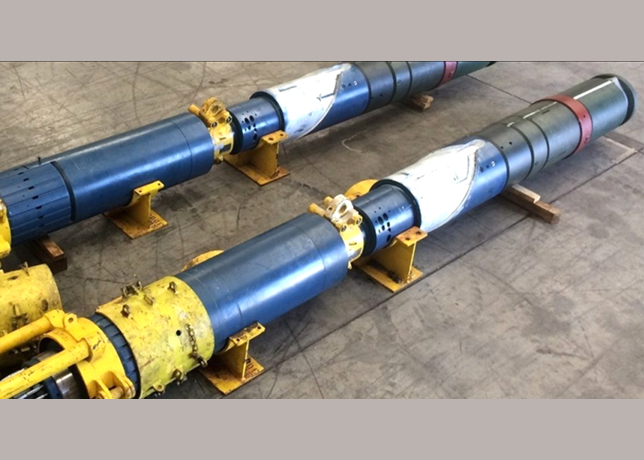
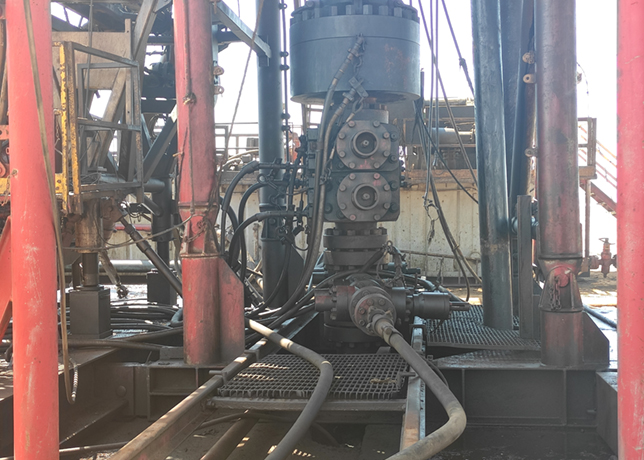
Secondary control is provided by mechanical barriers, most notably BOP systems capable of sealing around drill pipe, shearing it if required and closing the well entirely.
The reliability of these systems depends on regular testing, inspection and maintenance regimes to ensure functionality under high-stress conditions.
Monitoring and early detection are repeatedly emphasised as decisive factors in safe operations.
Indicators such as unexpected increases in pit volume, flow rate discrepancies when pumps are off, or changes in drilling rate are treated as warning signals requiring immediate investigation.
Accurate data acquisition and disciplined interpretation are therefore essential competencies within drilling teams.
The procedural response to a kick is highly structured: shut in the well, stabilise pressures, calculate kill mud weight and implement a circulation method designed to remove the influx safely.
Each step is governed by predefined calculations and communication protocols to prevent escalation.
Beyond drilling, pressure control principles extend into production and well servicing.
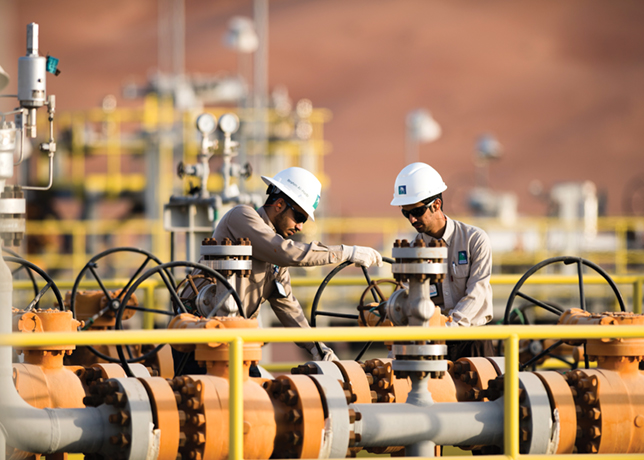
Surface pressure control equipment, including valves, manifolds and choke systems, manages flow during testing, completion and intervention activities.
In production scenarios, maintaining pressure within design limits protects casing strings and surface facilities while sustaining reservoir performance.
The integration of these systems into overall field development planning ensures that pressure control considerations influence equipment selection, layout design and emergency response planning.
STRATEGIC & ECONOMIC DECISION DRIVERS
For executives and policymakers, well control is inseparable from regulatory compliance and economic performance.
Regulatory frameworks mandate robust blowout prevention capabilities, documented procedures and trained personnel capable of responding to well control incidents.
Compliance requires documented testing of BOP stacks, verification of pressure control equipment and clear chains of command during emergency response.
These requirements shape capital allocation decisions, as operators invest in high-specification equipment and comprehensive training programmes to meet statutory obligations and mitigate liability exposure.
Non-productive time resulting from well control incidents can materially affect project economics, particularly in high-cost offshore environments.
Effective pressure management reduces the likelihood of sidetracks, equipment damage and extended shutdowns.
The cost of preventive measures, including advanced monitoring systems and routine testing, is weighed against the potential financial and reputational consequences of uncontrolled events.
As such, well control performance metrics increasingly inform risk assessments, insurance arrangements and contractor selection criteria.
Training and competence development are integral to this strategic calculus. Both sources stress the importance of rigorous training to ensure that personnel recognise kick indicators promptly and execute shut-in and kill procedures accurately.
Simulated well control exercises and certification programmes reinforce procedural discipline and enhance coordination between drilling crews and supervisory staff.
In an industry where response time can determine the difference between containment and escalation, human performance is treated as a critical control barrier alongside mechanical systems.
Forward-looking implications centre on continuous improvement in monitoring accuracy, system reliability and procedural standardisation.
Enhanced real-time data acquisition and tighter integration between surface and downhole measurements support earlier detection of anomalies.
Regular maintenance and testing protocols for BOPs and pressure control equipment aim to sustain mechanical readiness.
At the policy level, sustained emphasis on safety culture and documented compliance reinforces accountability across the supply chain.
In aggregate, well control has evolved into a comprehensive framework encompassing engineering design, operational execution, regulatory oversight and financial risk management.
Its effectiveness depends on the seamless interaction of hydrostatic principles, mechanical safeguards and trained human response.
As drilling operations pursue increasingly complex reservoirs, disciplined pressure management remains central to safeguarding personnel, protecting assets and sustaining operational continuity across the global energy sector.