





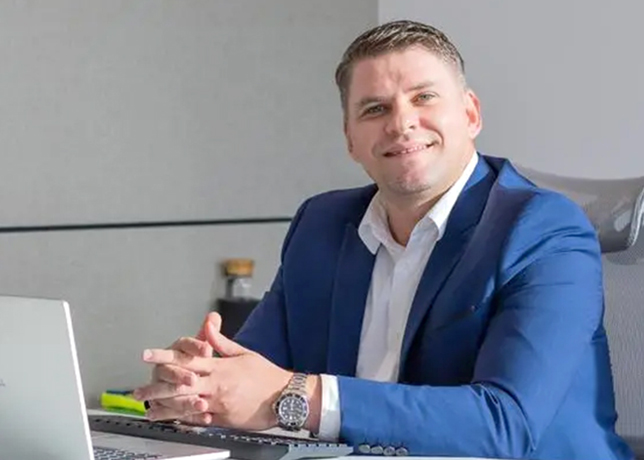



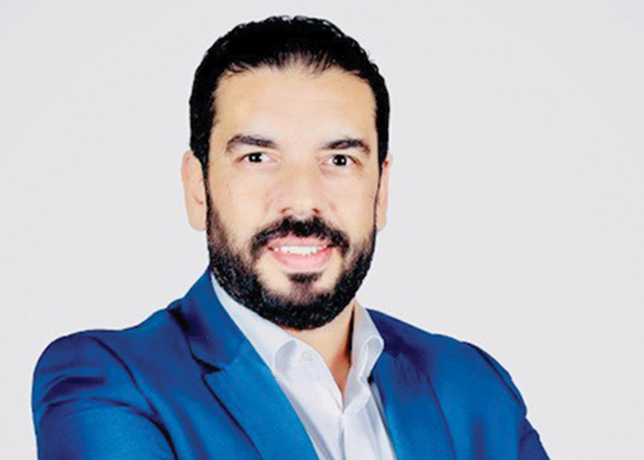


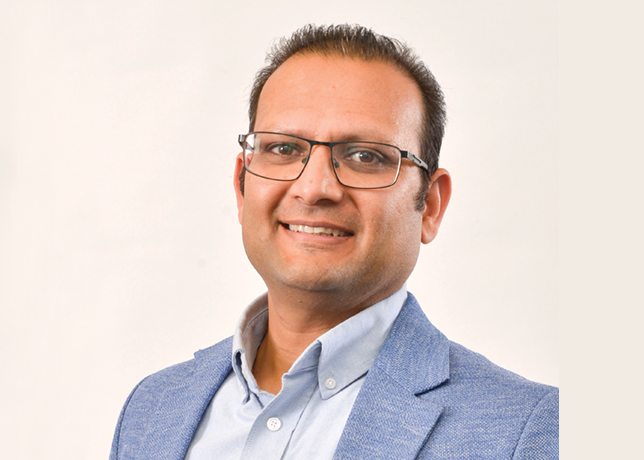

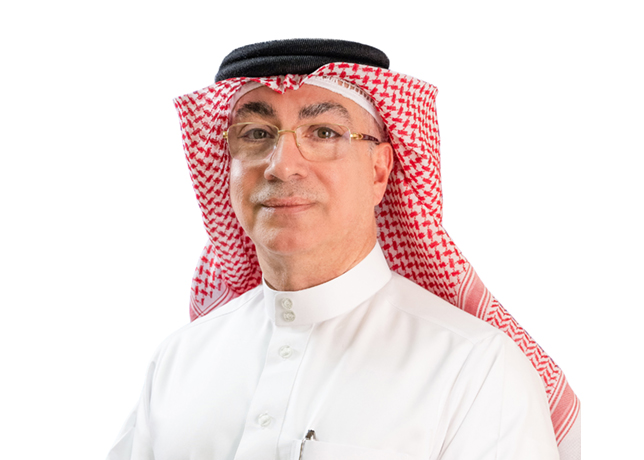
GARMCO is advancing its decarbonisation strategy through targeted efficiency upgrades, renewable energy adoption and digital tools to meet tightening global carbon standards, Mohamed Rafea tells OGN
GARMCO is repositioning itself as a competitive, efficient, and increasingly low-carbon downstream aluminium producer to remain relevant in the accelerating energy transition.
The Bahrain-based rolling mill’s original mission of capturing value from the regional ecosystem endures, but now demands integration of energy efficiency, material circularity, and digital capabilities to meet global sustainability expectations.
While acknowledging genuine industry progress driven by demand from renewables, electric vehicles, and lightweight transport, Mohamed Rafea, CEO, GARMCO, emphasised that the aluminium sector’s transition remains incomplete, hinging on access to cleaner power and advanced technologies.
As a global exporter, GARMCO is exposed to carbon-linked trade measures such as Europe’s CBAM, yet benefits from the region’s competitive energy mix and proactive efficiency investments.
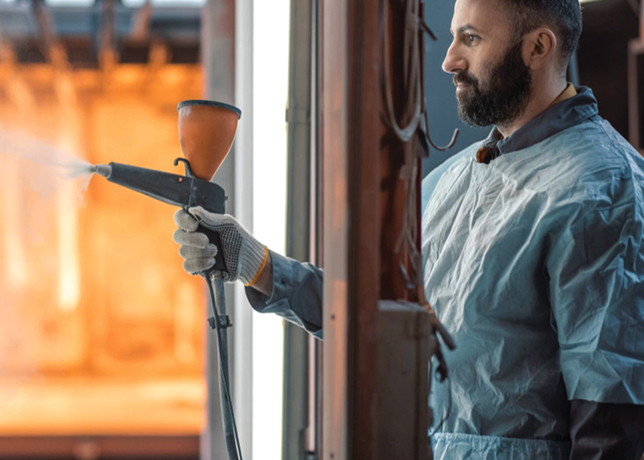
'Downstream operations can significantly reduce emissions through energy efficiency upgrades, heat-recovery systems, increased renewable electricity use, scrap utilisation and digital optimisation,' Rafea told OGN energy magazine in an exclusive interview.
He stressed, however, that realistic expectations are essential, as downstream players cannot compensate for high-carbon upstream processes.
Below are excerpts from the interview:
In today’s era of energy transition and market-driven decarbonisation, how has GARMCO’s core purpose evolved, and what must fundamentally change for it to remain relevant?
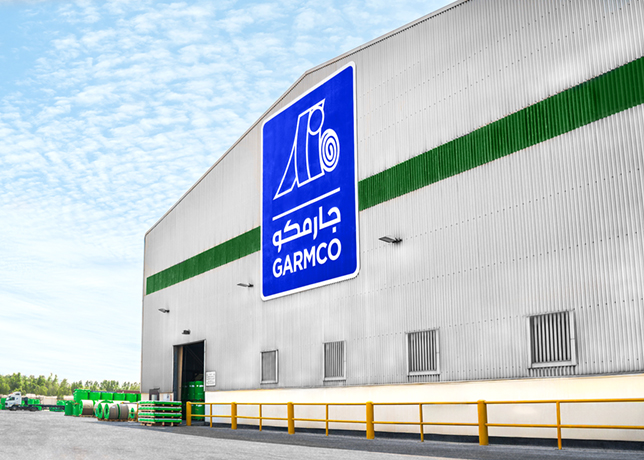 |
GARMCO aims to become a low-carbon downstream producer |
GARMCO was founded to build regional industrial capability and capture value from Bahrain’s aluminium ecosystem. That purpose has not changed but it has expanded.
Today, our role is to be a competitive, efficient, and an increasingly low-carbon downstream producer serving global markets that demand both quality and sustainability.
What must fundamentally change is the integration of energy efficiency, material circularity, and digital capability into our operating model.
Remaining relevant means ensuring our products are not only cost-competitive but also aligned with the carbon standards of the markets we serve.
Aluminium is increasingly positioned as a critical material for electrification, renewables, and lightweight transport. From your vantage point, is the industry genuinely transitioning, or simply rebranding, while its energy fundamentals remain largely unchanged?
There is real transition happening, but at different speeds.
The demand from renewables, EVs, and lightweight transport is reshaping global supply chains.
However, the sector remains energy intensive, and true decarbonisation depends on the pace at which producers can access cleaner power, modern smelting technologies, and recycling capacity.
So, the transition is real, but incomplete. The energy fundamentals must change for the narrative to be meaningful.
As governments tighten emissions standards and introduce carbon-linked trade measures, how exposed is GARMCO to policy decisions made outside the region, particularly in Europe and Asia?
As a global exporter, GARMCO is exposed to regulatory developments in Europe and Asia.
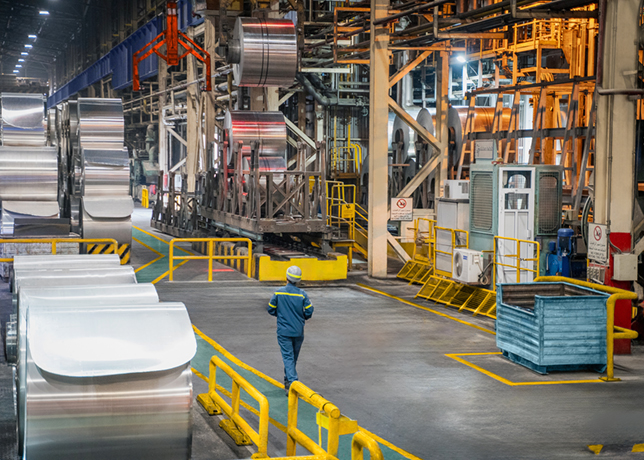 |
GARMCO benefits from growing emphasis on renewables |
Carbon related trade measures increasingly influence customer requirements, product qualification, and cost structures.
However, GARMCO benefits from several strengths: The region’s relatively competitive energy mix, a growing emphasis on renewables, and operational efficiency initiatives already underway.
Our approach is proactive, anticipating policy shifts, investing in transparency, and ensuring our customers understand the full value chain.
Do you believe carbon border adjustment mechanisms (CBAM)-style policies will accelerate real decarbonisation, or merely shift aluminium trade flows without cutting global emissions?
CBAM is both a climate tool and a trade instrument. Its effectiveness depends on whether it encourages genuine emissions reductions across all producing countries or merely redirects exports toward less regulated markets.
In principle, CBAM-style mechanisms push the global industry toward more transparent and accountable carbon reporting.
But without international alignment, they risk creating market distortions more than climate progress.
Much of the sustainability debate in aluminium focuses on primary smelting, yet downstream operations also carry a growing emissions and resource footprint. Where can rolling and fabrication facilities deliver meaningful carbon reductions, and where are expectations running ahead of technical or economic reality?
Downstream operations can significantly reduce emissions through:
• Energy efficiency upgrades in rolling and annealing.
• Heat recovery systems.
• Increased use of renewable electricity.
• Scrap utilisation and recycling.
• Digital optimisation that reduces waste and improves yield.
However, the expectations must remain realistic. Some process heat cannot yet be electrified economically, and certain efficiency gains require capital intensive technologies not commercially mature.
Downstream facilities can contribute meaningfully, but cannot compensate for high, carbon upstream energy
From an operator’s perspective, what does a credible net-zero pathway for a downstream aluminium producer actually look like, and what policy support is still missing to make it achievable rather than aspirational?
To make such a pathway achievable, the region needs stable renewable energy 24/7, incentives for efficiency investment, and harmonised carbon disclosure standards
A realistic pathway includes:
• Energy efficiency as the near term driver.
• Increased use of renewable electricity.
• Waste heat recovery and process optimisation.
• Circularity: higher scrap intake and closed loop systems.
• Supplier engagement to reduce Scope 3 emissions.
• Digitalisation for predictive and energy aware operations.
Therefore, net-zero must be technically credible, not just aspirational.
How has GARMCO rethought sourcing, inventory, and market exposure since recent global disruptions, and what vulnerabilities still keep you awake at night?
The last few years taught us to prioritise resilience over cost minimisation. We strengthened supply chain management through:
• Diversifying raw material sourcing.
• Increasing strategic stock levels for critical inputs.
• Enhancing logistics planning and alternative routing.
• Building stronger customer and supplier partnerships.
The remaining vulnerabilities include global freight volatility, geopolitical uncertainty, and dependence on certain specialised inputs with limited global suppliers.
But we are far better prepared than before.
How do you modernise a legacy manufacturing operation without eroding the human expertise that underpins quality and reliability?
Digitalisation is not about replacing people, it is about augmenting them.
We focus on:
• Training employees on digital and analytical skills.
• Using automation for repetitive, hazardous, or high variability tasks.
• Preserving institutional knowledge through structured documentation and smart systems.
• Ensuring human judgement remains central in quality critical areas.
A legacy operation succeeds when technology enhances craftsmanship, not undermines it.
GARMCO’s multinational ownership structure is unusual in today’s more fragmented geopolitical climate. Does this structure still offer strategic strength, or does it complicate decisive action at a time when speed and clarity matter most?
Yes, our ownership structure provides regional alignment, diversified oversight, and strategic stability.
In a fragmented geopolitical climate, having multiple stakeholders can be a strength, as it ensures balanced decision making and resilience.
The key is agility, and we have worked to ensure our governance model supports timely, data driven decisions while maintaining shareholder alignment
Aluminium producers across the region frequently speak about sustainability leadership, yet disclosure, targets, and timelines often remain opaque. If investors, regulators, or customers demanded full transparency tomorrow, on emissions, energy mix, and climate risk, how prepared is GARMCO to be judged against global best practice?
We recognise that transparency is becoming a baseline expectation.
GARMCO has already taken steps to enhance data accuracy, energy metering, and sustainability reporting.
While we are not yet at the level of some global producers with decades of reporting history, we are building the systems and frameworks to reach the best international practice.
Full transparency is not a challenge, it is an opportunity to demonstrate our progress, competitiveness, and commitment to responsible growth.
By Abdulaziz Khattak