






































Expro delivers dual bore SSTTA deployment in UK sector while launching the Solus single-valve technology to streamline subsea well access operations across riser and open-water environments worldwide
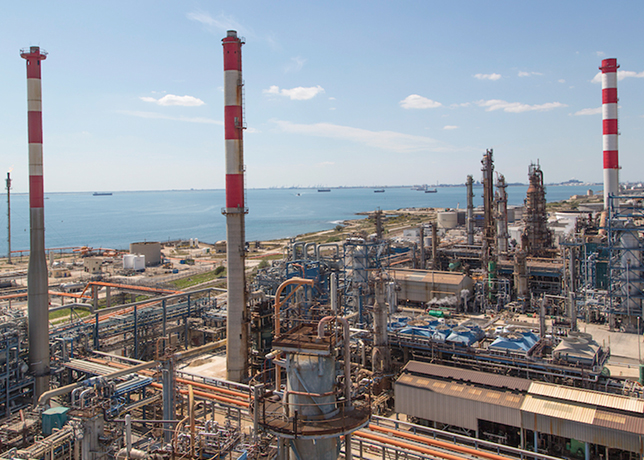
A strategically important gas well tied to the Shetland gas plant has demonstrated how integrated subsea well access philosophy can materially improve operational performance while reducing intervention complexity.
Delivered in the UK sector under logistical constraints and a revised deployment model, the project combined tubing hanger deployment and well clean-up in a single offshore campaign, achieving 60 MM of gas flowed back with zero incidents, accidents or non-productive time.
The customer had traditionally executed subsea well access in open water using a vertical Xmas Tree.
When that preferred configuration was no longer available, the operator shifted philosophy, electing to conduct tubing hanger deployment and well clean-up in one operation.
The well was regarded as strategically significant for sustaining production continuity at the Shetland facility, elevating execution risk and stakeholder scrutiny.
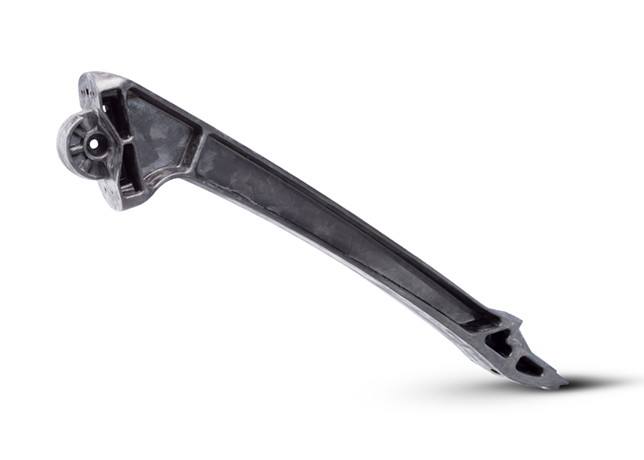
Expro was selected on the basis of its experience in complex subsea operations, including management of intricate system interfaces and deployment of an orientational helix solution within its SSTTA system.
All equipment required sea fastening and inspection prior to offshore rig-up, reflecting logistical constraints that framed the operational envelope.
INTEGRATED DEPLOYMENT IN THE UK SECTOR
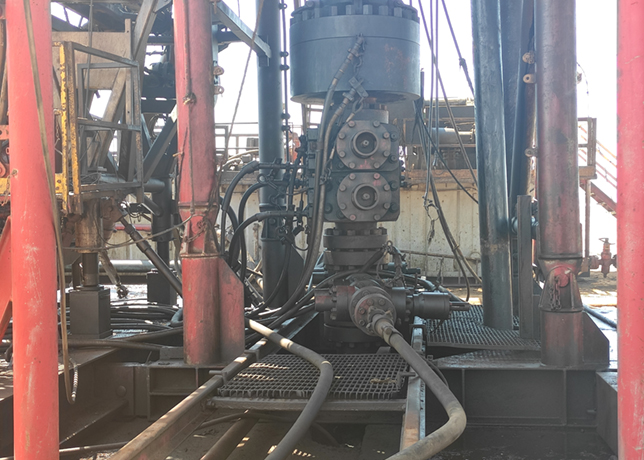
By implementing a combined Tubing Hanger deployment and well flowback philosophy using Expro’s SSTTA and complementary completions technologies, the operator was able to deploy the tubing hanger and conduct well clean-up and flowback prior to installation of the vertical Xmas Tree.
The integrated model eliminated the requirement for an LRP/EDP system, enabling the Xmas Tree to be deployed and commissioned without additional well intervention.
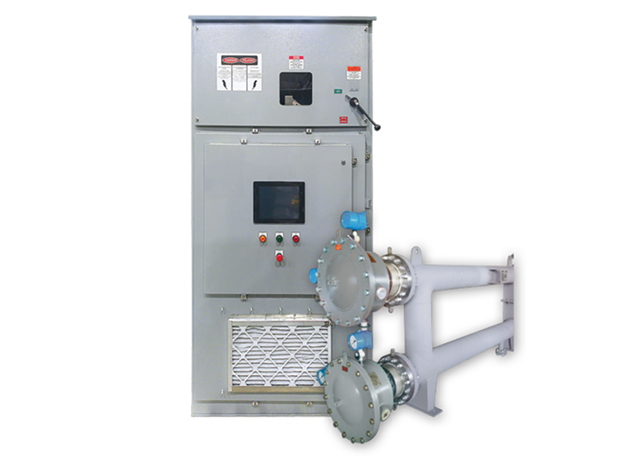
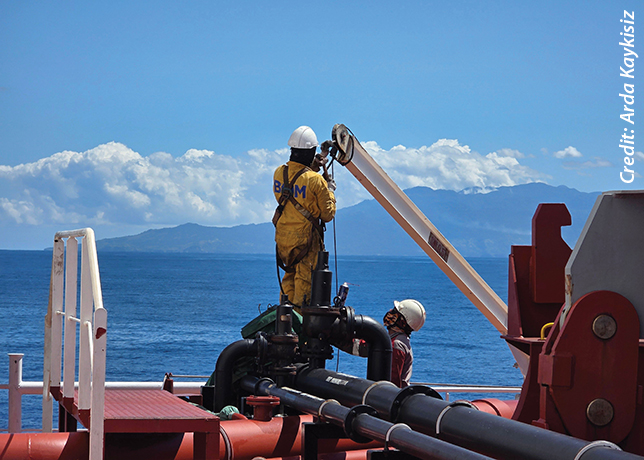
Expro’s well test team was deployed offshore to provide full flowback support. The campaign also marked the first use of a multibore heater in the UK sector, delivering operational results described as excellent.
The project attracted significant attention due to the client’s first-time use of an SSTTA on a dual bore tubing hanger for well clean-up operations within a vertical Xmas Tree configuration.
Despite the challenges associated with operating in a shallow reservoir and the requirement for extensive pre-mobilisation equipment preparation, the accelerated project was completed ahead of schedule.
The dual bore solution was cited as a key contributor to time savings, enabling concurrent operational efficiencies while maintaining safety performance.
The campaign delivered a total of 60 MM of gas during flowback with zero recorded incidents, accidents or non-productive time.
The team achieved 100 per cent JPR, and the customer issued formal written recognition acknowledging equipment performance and personnel execution.
The well ranks among the highest producing wells tied back to the Shetland gas plant.
Building on the operational outcome, the customer is considering broader adoption of dual bore technology in future campaigns.
The case illustrates how integrated deployment philosophies, when aligned with interface management and flowback support, can materially compress operational timelines while maintaining safety and performance metrics.
NEW SINGLE-VALVE REPLACES CONVENTIONAL TWO-VALVE REQUIREMENT
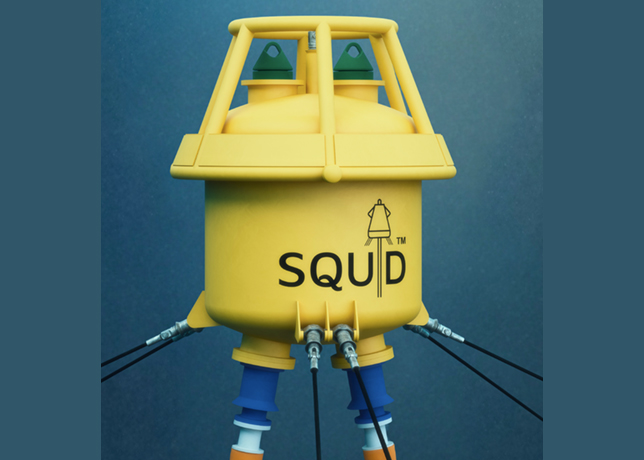
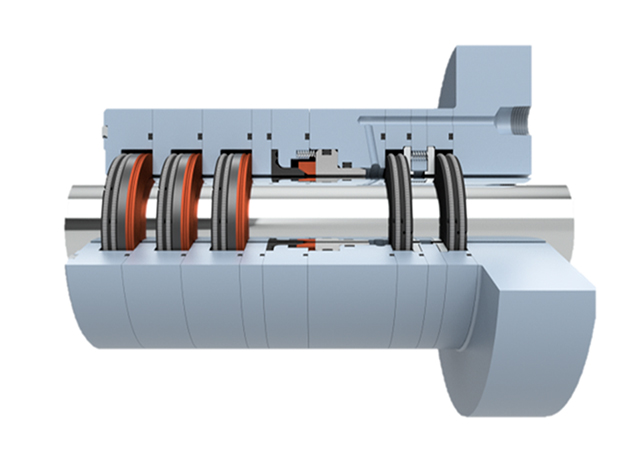
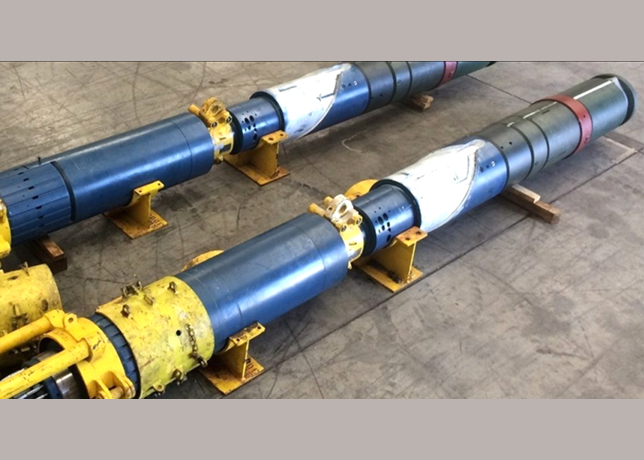
Separately, Expro has unveiled Solus™, a high-debris single shear and seal ball valve system designed to replace the conventional two-valve requirement in subsea well access operations.
The system is tested and validated in accordance with API Std 17G and is described as the first fully NACE MR0175 compliant fail-close bi-directional high-debris ball valve capable of shearing and sealing on wire and coiled tubing.
Solus provides shear and post-shear seal for gas and liquids on slick line, braided electrical cable and coiled tubing.
It delivers bi-directional sealing for liquids and gas, including after pump-through operations.
The system achieves 15 per cent solids ingress qualification size, targeting high-debris operating environments.
The modular architecture enables isolation and disconnection from the well and supports both in-riser and open water applications across the well lifecycle, including exploration, appraisal, completion intervention, plug and abandonment and decommissioning.
The compact configuration aligns with next-generation smaller-sized blowout preventer stacks and supports more efficient supply chain management.
Solus has already been deployed in a new in-riser completions development in the Gulf of America and installed within an open water system for a North Sea plug and abandonment campaign.
It has also been incorporated into Expro’s lightweight P&A Open Water Intervention Riser System, enabling shear and seal functionality in a single valve within open water configurations.
The fail-close design is intended to reduce emissions risk while providing an independent well safety barrier.
By replacing two valves with one, the system simplifies operational management and reduces complexity within subsea well access assemblies.
Solus is available within Expro’s ELSA landing string assemblies offering and can be configured in-riser as a single valve, as a single valve with latch mechanism, within a subsea test tree, or as part of an OWIRS.
The introduction of Solus follows a subsea execution model in the UK sector that demonstrated the operational impact of systems integration and interface management under schedule and logistical constraints.
Together, the developments reflect a focus on architecture simplification, operational consolidation and measurable performance delivery across subsea well access environments.