




























 Dependence on fossil fuel exports complicates Africa’s transition to clean energy
Africa contributes under 5 per cent of global energy-related emissions despite housing 19 per cent of the world’s population, a share projected to rise to 28 per cent by 2060 while emissions remain below 9 per cent, according to the African Energy Chamber’s State of African Energy: 2026 Outlook.
This underscores Africa’s minimal role in causing climate change and challenges calls for uniform, rapid fossil fuel phaseouts that ignore the continent’s development realities, stated NJ Ayuk, Executive Chairman, African Energy Chamber.
Low per-capita energy use gives Africa an opportunity to pursue a low-carbon growth path, but one aligned with expanding energy access.
Infrastructure gaps—limited grid capacity, outdated transmission systems, and widespread energy deficits—make large-scale decarbonisation difficult.
Transition efforts must therefore pair emissions reductions with investments in grid modernisation, regulatory reform, energy efficiency, and skills development.
Financing remains a major hurdle due to perceived political risk, policy uncertainty, and reliance on fossil fuel revenues.
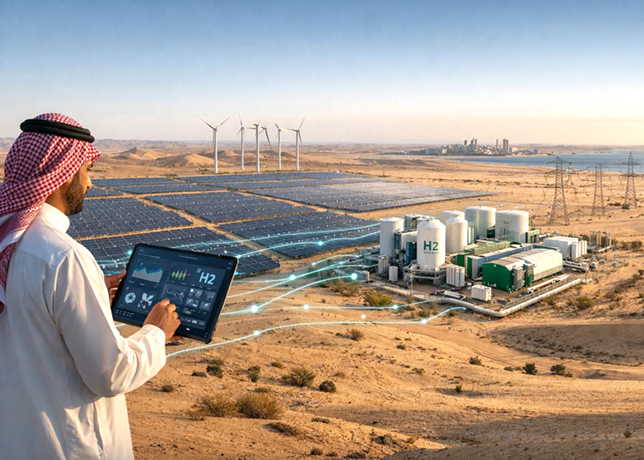
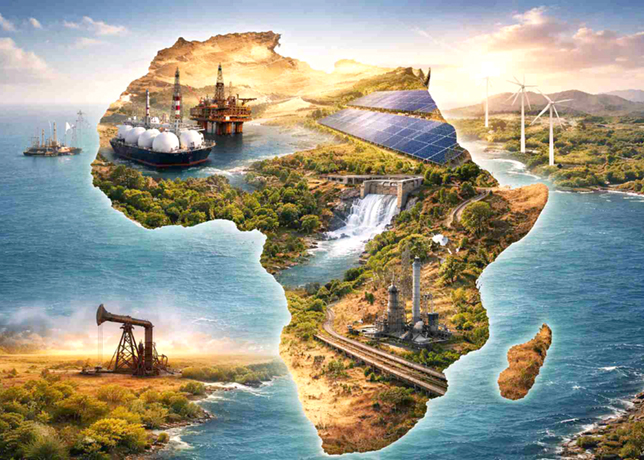
Africa’s evolving energy profile positions it as a key player in the global transition, particularly through green hydrogen and critical minerals.
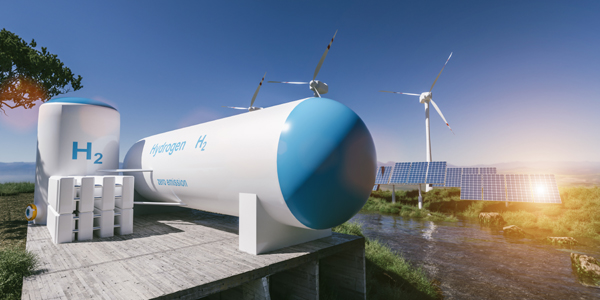
By 2035, Africa could produce over 9 million tonnes of low-carbon hydrogen annually, leveraging vast solar and wind resources and proximity to export markets.
Major projects are underway in Namibia, South Africa, Mauritania, Morocco, and Egypt, supported by initiatives such as the African Green Hydrogen Alliance, which targets 40 megatons of exports by 2050.
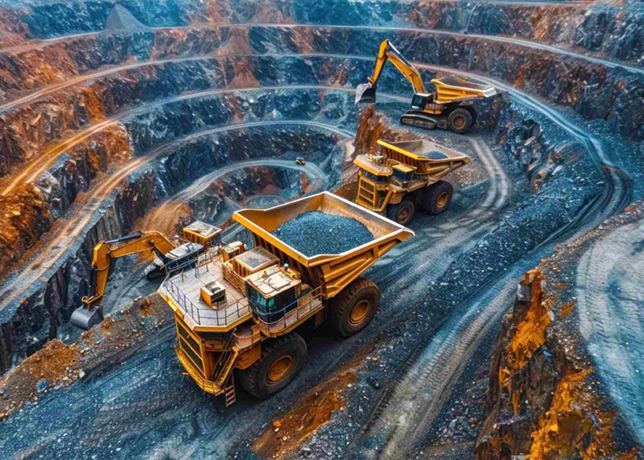
Beyond hydrogen, Africa holds abundant reserves of cobalt, lithium, copper, and platinum group metals, with demand expected to quintuple by 2035.
Countries like the DRC and Zimbabwe are strengthening their positions through production leadership, beneficiation policies, and refining investments.
To unlock full value, the outlook emphasises stable regulation, regional cooperation, workforce development, technology transfer, and strong human rights protections, enabling Africa to move up the value chain and reduce energy poverty.