










































 Brown Hawk Multiphase Flow Meter Check Valve System
Brown Hawk’s Multiphase Flow Meter Check Valve Systems were used at wells of a major oil and gas producer in the US for accurate measurements of the full range of production for pump jack wells.
The California-based producer uses both pump jack and progressive cavity pump (PCP) wells in the field. Pump jack flow range goes from zero to maximum during each stroke, while PCP flow rates remain relatively constant.
The producer uses flow measurement equipment consisting of a gas separation tank and two or more flow meters per test location.
Currently, flow meter test stations are located at the headers. Headers are used to combine groups of wells into a common flow line. These lines feed holding tanks where water cut is manually determined. At the header, each flow line is individually rotated into the test line.
To maintain ideal production levels, field operators may stimulate certain wells individually or in clusters.
The producer experiences check valve failures due to the natural corrosive and abrasive characteristics of crude oil production. Check valve failure leads to production loss if not detected immediately.
The liquid flow meter the producer currently uses has limited range of measurement and lacks accuracy due to the extreme flow ranges of pump jack wells.
Sand naturally occurs from the wells, some collecting inside the gas separation tanks and some passing through the flow meters. The gas separation tanks become filled with sand and need to be regularly cleaned out.
As the sand passes through the flow meters, they become eroded over time and their accuracy is gradually reduced. Both require regular maintenance. The producer only sets up one to two test stations at each header location due to recurring maintenance, physical size, and expense.
The producer lacks information on each well since water cut is measured at the common holding tank with the combined production of all wells. Field operators manually collect water cut information by periodically taking half-liter samples from individual wells.
 |
Header connecting a group of wells |
Real-time and continuous well production data is not available with the producer’s current flow measurement method. This method only provides an intermittent view of each well’s performance, hindering the optimisation of well production.
When the producer stimulates wells to increase production, wells in the surrounding area can also be affected. These effects cannot be measured because flow measurement is not real-time, continuous, or present on every well.
Check valve failure is very difficult to discover and can be a continuous source of production loss for long periods of time. Detecting and identifying check valve failure is a time consuming and manual operation, causing unplanned downtime and labor inefficiencies.
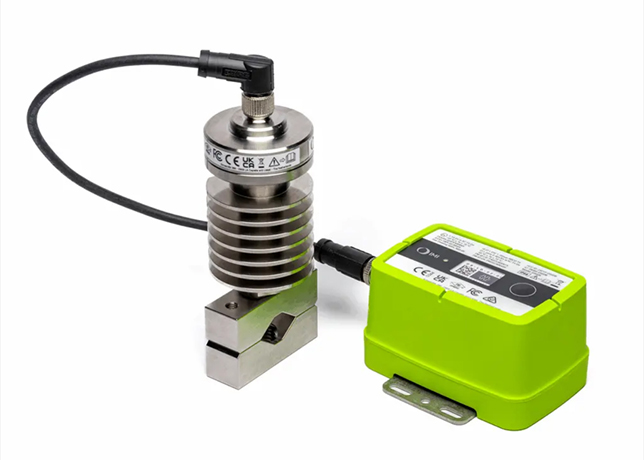
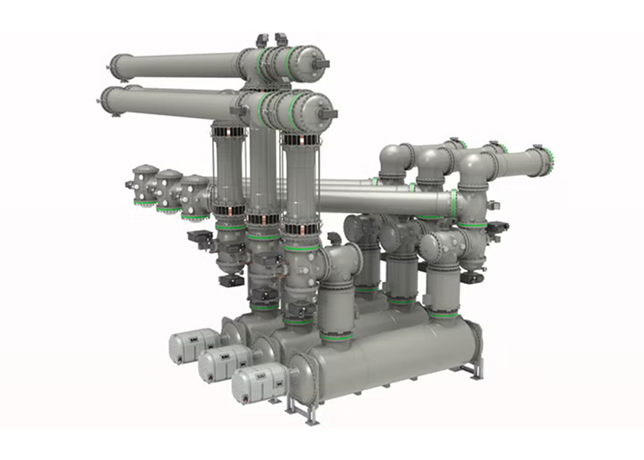
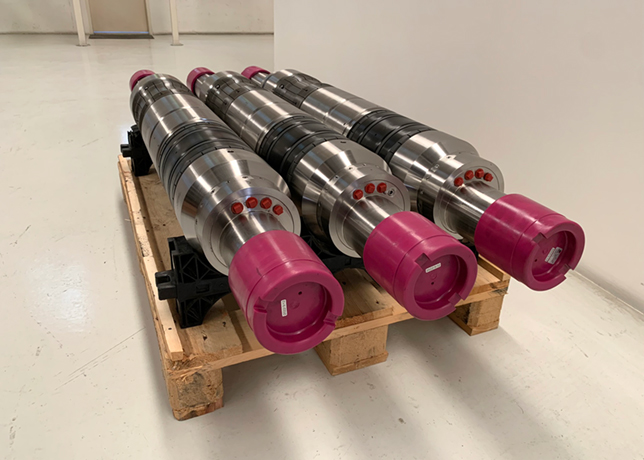
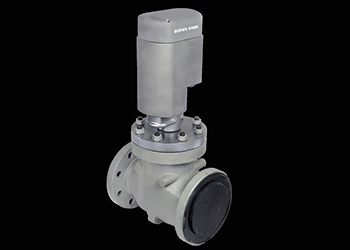
The producer found an appropriate solution when it installed a Brown Hawk Multiphase Flow Meter Check Valve System directly on each well.
The Brown Hawk System successfully and accurately measures the flow rates of gas and liquid simultaneously without separation, both on pump jack and PCP wells. The Brown Hawk System provides real-time, instantaneous volume and mass flow of the liquid and gas, temperature, pressure, and water cut data. It accurately measures the entire pump jack flow range.
Since the Brown Hawk System works without phase separation, the producer no longer needs to use separation tanks. Uptime is increased as the labor involved in cleaning out the sand build-up in these tanks is eliminated.
The Brown Hawk System is practical for use on every well due to its compact size and ease of installation. Monitoring the production of oil, water, and gas simultaneously for each well allows for full field optimization. The producer can now see the effects of steam injection and water flooding on all affected wells as stimulation takes place in real-time.
Each Brown Hawk System also allows field managers to monitor and verify check valve operability continuously, eliminating the downtime from check valve failures altogether.