

































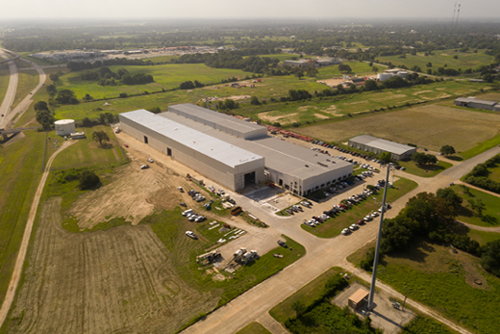
 The Permian region is seeing more investments
The downward trend in oil and gas output has been arrested by a significant upturn in the number of rigs drilling onshore, especially in West Texas. The number of rigs drilling oil-rich formations across the United States has risen by more than 200
US petroleum producers are looking forward to better times in 2017 as the industry has passed the low-point in the cycle and embarked on the road to renewed expansion.
Domestic oil and gas production hit a trough in the first half of 2016 and showed signs of rising in the second half as drilling picked up in response to higher prices.
US oil output was essentially flat between July and October 2016, after sliding between April 2015 and June 2016.
Gas output also held steady between July and October, after declining earlier in the year, according to the US Energy Information Administration.
The downward trend in oil and gas output has been arrested by a significant upturn in the number of rigs drilling onshore, especially in West Texas. The number of rigs drilling oil-rich formations across the United States has risen by more than 200, or 65 per cent, from its low at the end of May.
The number of gas rigs is up by 55, or 68 per cent, from its low at the end of August, according to oilfield services company Baker Hughes.
More than half of all the new rigs have been added in the Permian Basin of West Texas and Southeast New Mexico, which has emerged as the top shale oil play in the United States.
The Permian’s stacked layers of organically rich but relatively shallow shale formations make them an ideal target for drillers seeking to add low-cost, low-risk oil production in a low-price environment.
The Permian has long been among the most productive petroliferous sedimentary basins in the world and is among the best explored.
But until the advent of horizontal drilling and hydraulic fracturing oil and gas could only be produced from the sandstone and carbonate reservoirs where it had migrated underground.
Now drilling companies can target the thick impermeable shale layers which are the source of most of the oil and gas that has made the basin a top producer in the past.
Thanks to improvements in targeting, drilling and fracturing efficiency, Permian wells are now producing almost 60 per cent more during their first 30 days than in 2014, and the benefits are persisting in subsequent months.
Permian producers are targeting well locations more carefully, drilling longer horizontal sections and improving well construction techniques.
Drilling is getting faster, with the average time taken to drill a Permian well down by around 20 per cent since 2014.
The result is that a much smaller number of rigs are needed to sustain any given level of production than in earlier years.
Other shale oil and gas plays, including the oil-rich Bakken in North Dakota and gas-rich Marcellus/Utica in Pennsylvania have also seen an uptick in drilling since the end of May.
The enormous improvement in efficiency and reduction in drilling costs in all these plays is a direct feedback response to the slump in oil and gas prices during 2014/15.
The slump has made US oil and gas producers leaner and fitter after the 2010-14 boom permitted a lot of inefficiency.
The resumption of drilling is now filtering through into an increase in demand for oilfield services and an improvement in the employment situation.
The number of jobs in oil and gas production, as well as support services, stabilised during the second and third quarters and climbed marginally in the final three months of 2016.
The gradual stabilisation and incipient recovery in the US oil and gas sector mirrors a big rise in prices for both oil and gas since the first half of last year.
