


















AVEVA is helping energy companies scale digital transformation by unifying data, AI, and human expertise, and accelerating the Middle East’s transition toward high-performance industrial systems, Jesus Hernandez tells OGN
Digital transformation has become the defining force reshaping the global energy landscape, with energy companies today facing mounting pressure to optimise operations, modernise ageing infrastructure, and reduce emissions while ensuring reliability and maintaining profitability.
Against this backdrop, AVEVA is positioning itself as a key technology partner helping organisations navigate the complexities of intelligent, low-carbon industrial operations.
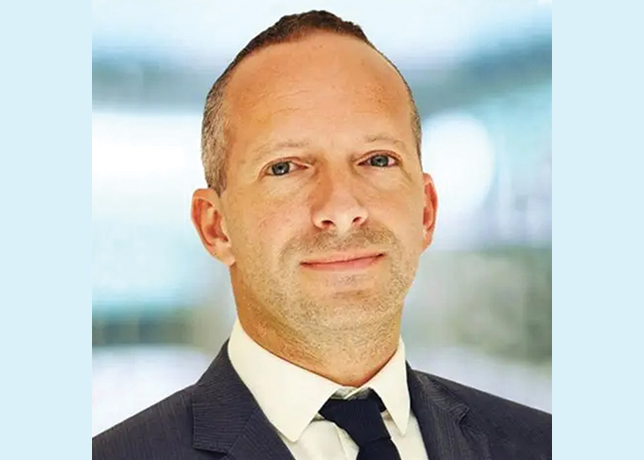
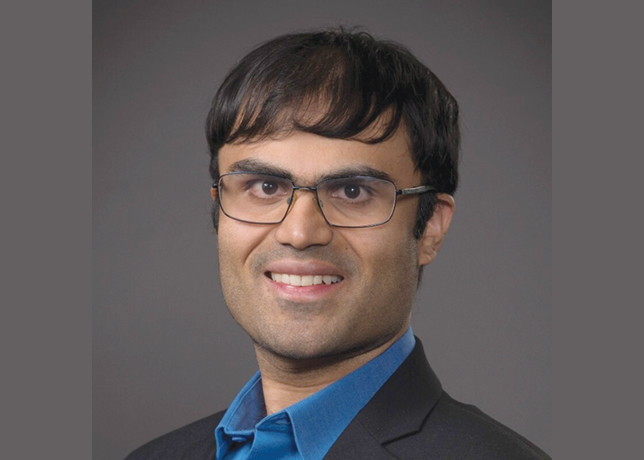
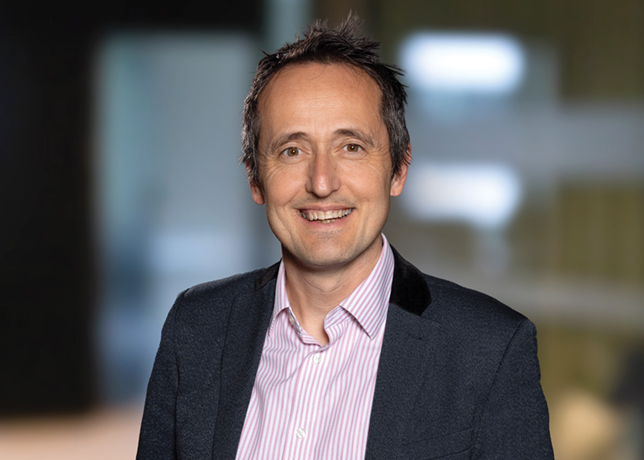
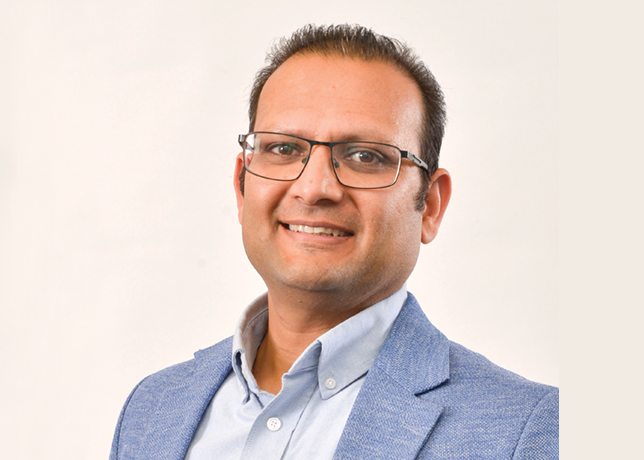
In an exclusive interview with OGN energy magazine, Jesus Hernandez, Senior Vice President – EMEA, AVEVA, explains AVEVA’s strategy centres on unifying data, digital twins, and AI-driven analytics with human expertise to empower operators to act faster, anticipate disruptions, and streamline the performance of energy-intensive assets such as data centres.
This approach is proving especially valuable across the Middle East, where national energy companies and utilities are accelerating digital adoption to strengthen resilience and decarbonise at scale.
Below are excerpts from the interview:
How is AVEVA helping smart management of data centre for energy firms, while at the same time working to reduce their overall carbon footprint?
AVEVA has extensive experience working with data centres, where energy consumption is a critical challenge.
Data centres have some challenges when dealing with situations like power loss or failure to maintain specific temperatures as they are tied to service level agreements.
 |
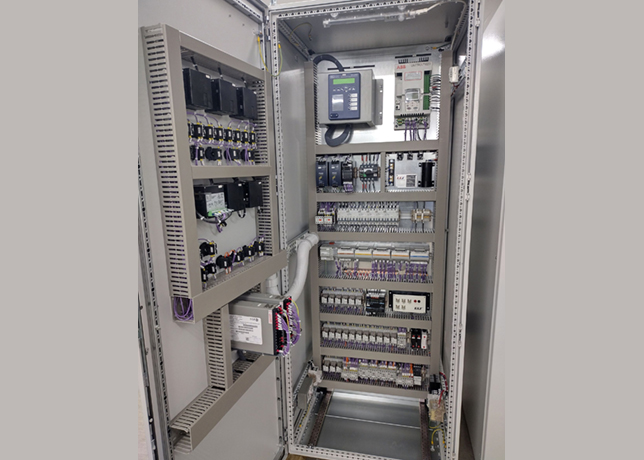
AVEVA’s Intelligent Alert Management System help data centres overcome situations of power loss or |
When such situations occur, it is critical for the maintenance crew to be able to resolve such situations as fast as possible.
To tackle such situation efficiently, AVEVA introduced its Intelligent Alert Management System two months ago.
This solution significantly simplifies the information related to a downtime and guides crews with knowledge-based insights to resolve the situation.
Smart visualisation drives the workflow of the maintenance crew or the operator.
Targeted messages or emails are sent with just the necessary amount of information to drive action. If needed, the system can interact with the SCADA alarm management system to supress unnecessary noise.
Furthermore, the system delivers smart visual elements to help depicts the severity of the most critical active alert in a location and guide the response procedures or steps that should be followed.
Beyond data centres, our approach relies on our industrial intelligence platform.
We start by creating awareness through enhanced monitoring and visualisation, essentially transforming raw data into actionable information and knowledge using AI tools.
This empowers people to make informed decisions or deploy specialised applications as needed.
What makes our solution particularly effective is that we have an open and interoperable platform, where we combine our own tools with third-party technologies to deliver comprehensive solutions.
A strong example of this is our work with e& (etisalat and), where we are operating across seven data centres.
We have also integrated our platform and alarm system with ETAP’s digital twin for electrical systems.
AVEVA’s interoperable industrial data platform serves to systematically address carbon reduction.
Our approach begins by collecting all process-related information and then contextualising and transforming it into actionable intelligence using AI and advanced analytics.
Essentially, we help organisations switch from reactive to proactive operations, and to move beyond alarm and advice to execution mode for more autonomous operations.
To achieve this, we leverage agentic AI that can translate insights into executable code and actions.
This capability applies broadly, whether you are focused on decarbonisation, product optimisation, production efficiency, maintenance, or other operational areas.
How does AVEVA ensure that technology remains human-centric, particularly as AI becomes more embedded in industrial decision-making?
AI doesn’t work in isolation; it fundamentally requires human intervention. The process begins with developing the models, which is only possible when you have deep knowledge of what you want to achieve.
You need human expertise to determine what’s actually applicable to your specific challenges; next, you must train the models with the right data and context; and finally, there’s the fine-tuning phase, which enables more autonomous operation.
At every stage, humans remain central. In fact, technology amplifies human expertise rather than replacing it.
The dynamic integration of data-driven insights enhanced with industrial AI and human expertise is what we call Industrial Intelligence at AVEVA.
We are committed to growing industrial intelligence as this is what helps industry move faster, operate smarter and adapt in real time in the face of volatility.
How are AVEVA’s technologies supporting modernisation efforts across the industry and especially the Middle East?
There are several compelling examples for this. For instance, Protium, a hydrogen producer in the UK, is deploying our simulation technologies to simulate different scenarios so it can allocate resources more effectively and improve productivity.
This powerful combination of simulation, data management, predictive analytics, and real-time optimisation have also been successfully implemented with ADNOC and Saudi Aramco.
Another standout example is Iberdrola, the world’s largest renewable energy company, which has integrated AVEVA technology into its own AI algorithms to manage curtailment—the deliberate reduction of energy output to balance grid load.
Using our platform, Iberdrola has maximised production and generated an additional 50 gigawatt-hours per month.
The key ingredients for this kind of success include a solid data foundation and effective change management.
But the biggest challenge we face today isn’t proving the concept, it’s implementing at scale. For that you need infrastructure that enables deployment at scale to achieve industry-wide impact.
Where does digital twin feature in the picture?
There are different interpretations of a digital twin; you can have a digital twin for engineering, operations, and another for maintenance, with each serving a specific purpose. But regardless, digital twin is central to the vision of digitalising the asset lifecycle.
What’s crucial for AVEVA is bringing all these digital twins together in one unified environment.
We use our platform to deliver end-to-end software solutions that span the complete asset lifecycle, from concept through to operation and optimisation, to what I call the next level, which is 'community'.
At this stage, it’s no longer just about what exists within your plant or assets in isolation, it’s about leveraging both internal and external capabilities, and connecting your operations with broader ecosystems, shared knowledge, and collaborative networks.
A digital twin combined with AI becomes truly powerful. It not only replicates the assets digitally, but it also helps optimise them continuously and tap into collective intelligence beyond organisational boundaries.
What are the major global trends currently shaping industrial investment decisions across the Middle East?
We are navigating a challenging period shaped by some major global trends, which are fundamentally impacting investment decisions across all regions, including the Middle East.
The first is supply chain vulnerability: In response to supply chain challenges, some organisations are moving toward onshoring, while others are investing in more sophisticated systems and technologies to build resilience and visibility.
The second is a proper understanding of the systems you have, how they interact with each other, and addressing the skills gap for successful implementation.
With regard to the skills gap, much of the industrial workforce is aging. And while the incoming generation is tech-savvy, it has less industry knowledge. Hence, it is critical to bridge this gap.
And the third global trend is significant geopolitical instability, which creates uncertainty around long-term investments.
The companies that will succeed are those that can strategically deploy technology to address these interconnected challenges while managing financial constraints.
Looking ahead, what excites you most about AVEVA’s role in helping organisations navigate the next phase of digital and energy transformation?
We want AVEVA to become the de facto partner for our customers as they navigate this transformation.
To achieve that, we need to excel in several areas, including primarily building a customer-centric approach.
Next is continuous product innovation by embedding and integrating the best technologies available in the market.
And the third, and the most important area, is building the right ecosystem in the right places.
It’s no longer about what one company can do in isolation, it’s about how that company collaborates with other providers, suppliers, and industry partners to create greater value.
How confident are you in this region driving all that is going to come ahead?
I honestly believe this region to be far ahead of others in embracing and effectively deploying digital and energy transformation technologies.
One of the region’s greatest strengths is the innovative mindset of its people.
When you compare the Middle East to other regions, for example Europe, there’s a notable difference in approach.
Europe tends to be more conservative, while there’s a genuine appetite to implement and experiment with new technologies in this region.
What’s equally important is the focus on outcomes in this region. It’s not about adopting new technology simply because it’s new, it’s about maximising ROI and creating tangible economic value.
You participated in ADIPEC this year. What was the key focus for AVEVA at the event?
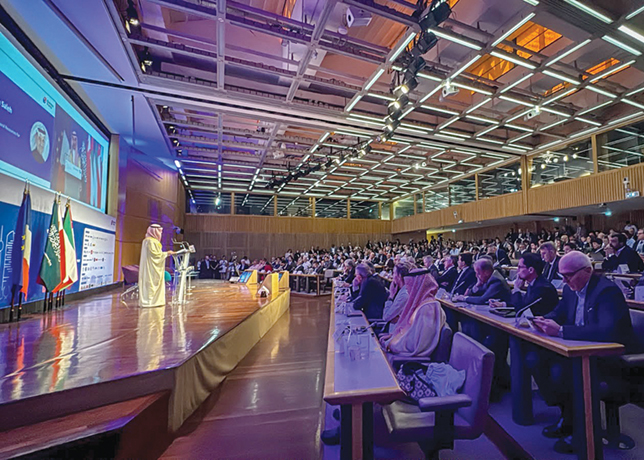
In ADIPEC, we see an inspiring conference that brings together people, technology, and innovation.
As the world’s largest energy exhibition, it’s the perfect platform to address a critical reality, and that is energy is essential for humanity’s future.
This means we must use energy more efficiently and sustainably.
Our message at ADIPEC was clear: As a software company, we’re here to demonstrate how you can operate your assets differently in the future.
Our mission is to show how data and technology can transform asset operations, enabling more innovative and efficient ways of working.
How did your aim align with ADIPEC’s theme of ‘Energy, Intelligence, Impact’?
Our approach aligned perfectly with ADIPEC’s theme. At the core of AVEVA’s technological strategy is the CONNECT platform, our intelligent data platform integrating the entire asset lifecycle.
This holistic integration is designed to facilitate agility within and beyond companies, empowering them to make faster and smarter decisions.
Such improvements in agility are essential for increasing operational efficiency, controlling costs, and driving sustainability initiatives across organisations.
A significant facet of AVEVA’s approach is the digitalisation of industrial assets; collecting, contextualising, and maximising the value of data at every phase is essential from engineering and operations to optimisation.
Using our technology, our customers can not only enhance decision-making but also deploy advanced AI throughout their industrial processes. This is how we take industrial intelligence to the next level.
A good example here is ADNOC, recognised as the most powerful AI-enabled energy company in the world.
The company brings together three essential elements that work in tandem: People, innovation, and technology.
The key point is that AI alone won’t solve everything; you need human intervention throughout.
And that’s where AVEVA plays a pivotal role; ensuring that artificial intelligence, data transformation, and human expertise work in harmony to unlock sustainable, long-term value for industry.
By Abdulaziz Khattak