
















 Energy operators need to adopt asset integrity strategies that reflect the realities of modern operating environments
The Kingdom needs a shift from reactive maintenance to lifecycle-led asset integrity strategies for operational resilience as facilities upgrade and expand, Dennis Snijders, Director Middle East & North Africa, IGS, tells OGN
Saudi Arabia is undergoing one of the most ambitious energy and industrial expansions in its history.
Eyes are likely to be on the upstream spending projections, predicted to hit $40 billion in 2025, up 15 per cent on 2015.
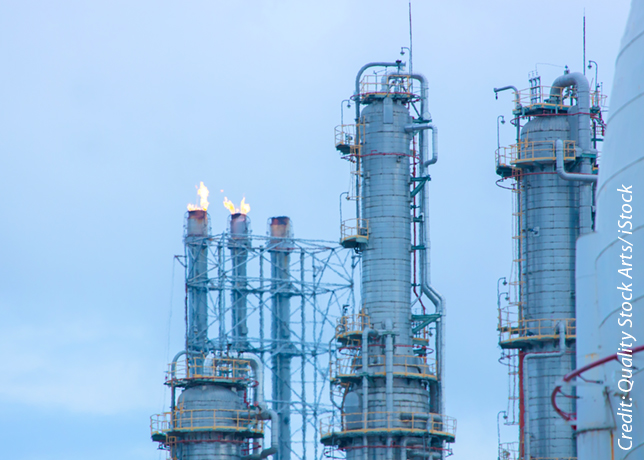
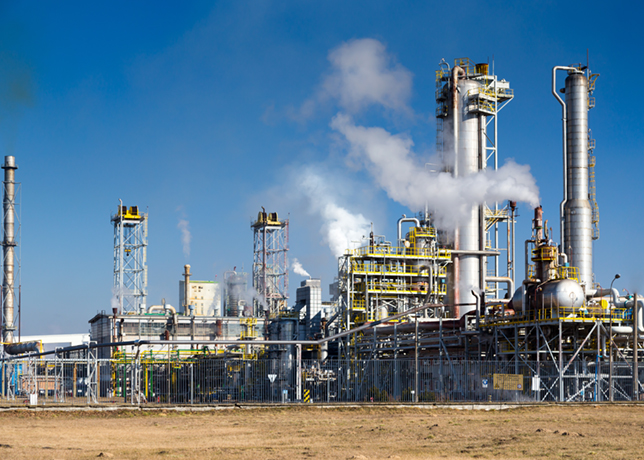
But perhaps less attention will be on the downstream powerhouse, where gas processing plants, refineries and petrochemical facilities are pushing ahead with major upgrade programmes to meet growing domestic and export demand.
This is against the backdrop of Vision 2030, which is driving the Kingdom to accelerate industrialisation, urbanisation and energy infrastructure development at unprecedented speed.
Petrochemicals is a central pillar of economic diversification, with significant downstream investments from major players such as Aramco and SABIC already reshaping the landscape.
So, what does this mean for the assets powering this growth? Production, reliability and throughput are non-negotiable.
 |
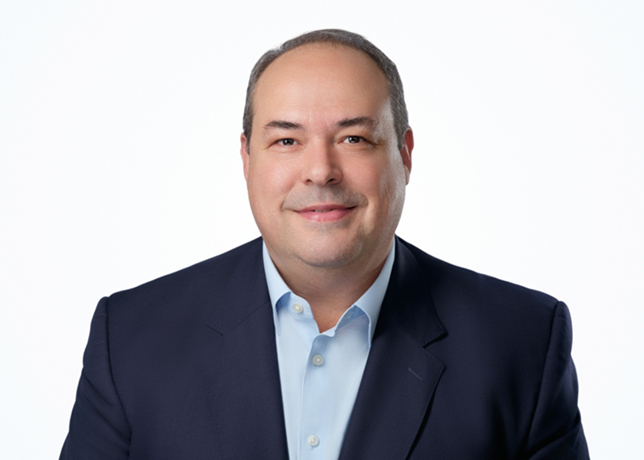
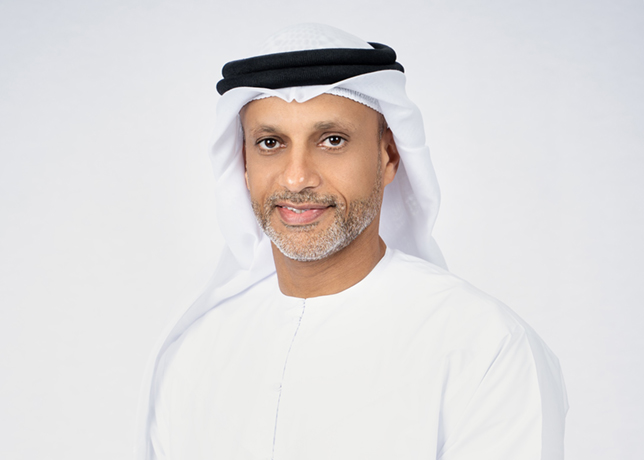
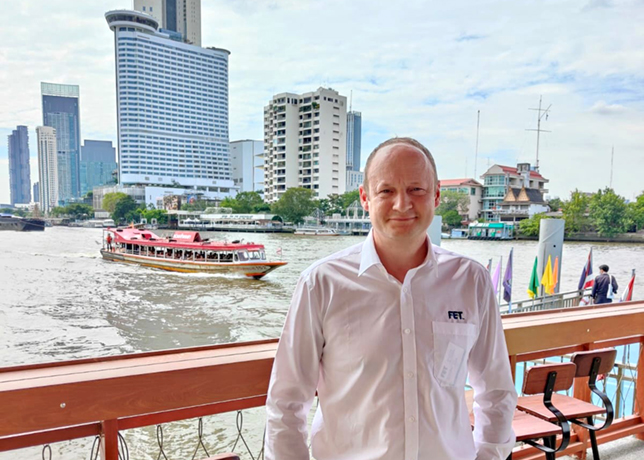
Dennis Snijders |
But as the region scales up its output, a parallel challenge emerges. Many of the assets underpinning Saudi Arabia’s refining and petrochemicals network are ageing.
We’re asking more of equipment that is struggling to keep up. Combine this with high utilisation and uniquely corrosive feedstocks due to high sour gas levels, and you start to see the pressure operational conditions are placing on equipment that was ultimately not designed for today’s requirements.
Asset integrity, as a result, is becoming a strategic enabler of Saudi Arabia’s long-term energy resilience, and the approach towards it must reflect this.
CORROSION RISK FACTORS IN AGEING DOWNSTREAM ASSETS
The vast scale of downstream facilities can mean, at times, corrosion in one part of a large operation is overlooked.
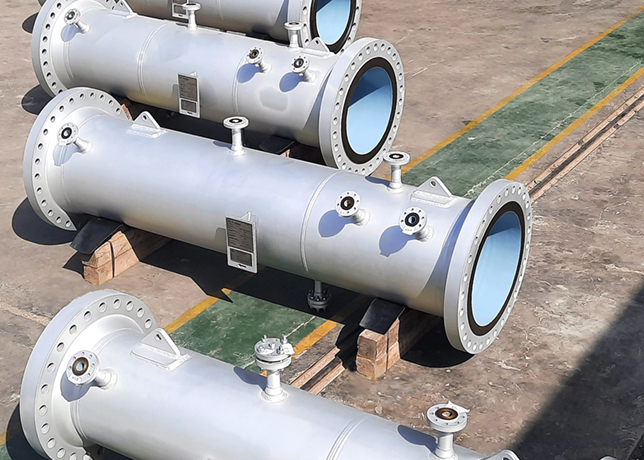
But the reality is, if a single mission-critical piece of equipment, be it vessels, columns, drums or heat exchangers, go offline, the whole plant is jeopardised.
An undetected, localised area of surface corrosion that leads to unexpected shutdown could translate to tens of millions of dollars in lost production.
Given the age of equipment in Saudi Arabia – and indeed across many countries in the Middle East – this risk is heightened.
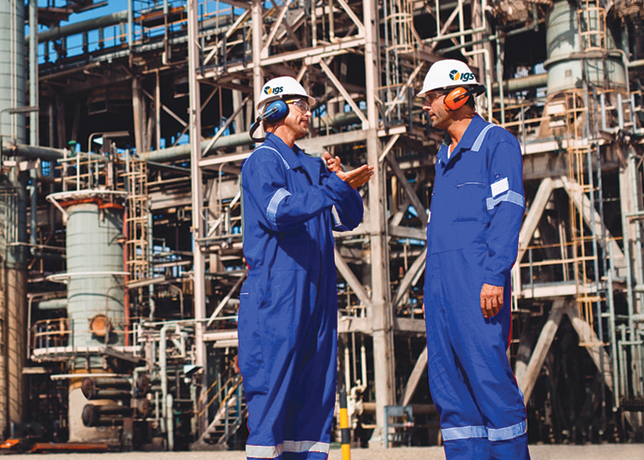 |
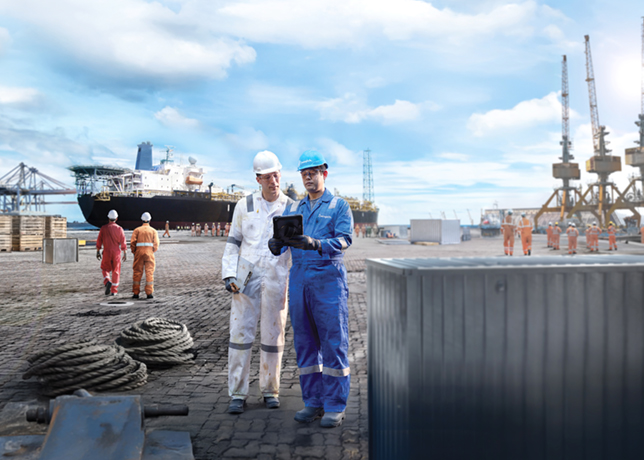
An IGS team on site |
Older assets, particularly those built with lower-alloy metallurgies, are significantly more susceptible to corrosion and cracking, especially as they are now operating under exposure conditions very different from those they were originally designed for.
Compounding this is the challenge that many corrosion issues are only detected during turnaround windows, when operators can inspect internally.
This often means late-stage discovery of integrity issues, emerging too close to end of shutdown for conventional repair methods, like CRA weld-overlay, to be considered due to the excessive time requirements for application and heat treatment.
At the pivotal moment when Saudi Arabia needs greater capacity, asset integrity has become more vulnerable.
ENGINEERING SOLUTIONS FOR A NEW ERA
When it comes to tackling corrosion, while organic coatings offer a low upfront cost to operators, their use is fundamentally limited to low-temperature service.
They cannot withstand the elevated temperatures or chemical severity present across many mission-critical assets. As a result, they tend to degrade prematurely.
The frequent stripping, mechanical repair and reapplication required at each turnaround introduces avoidable downtime and escalates lifecycle expenditure.
Extending shutdown windows by just 3-5 days can translate into million dollars in lost production, before even accounting for the cost of repeat works.
Where corrosion is extensive, weld overlay is a technical option. However, the required preheat and post-weld heat treatment, combined with the inherently longer application time, generally make it impractical within tight shutdown windows, particularly toward the end of the shutdown period.
As a result, Saudi operators are increasingly turning to technologies purpose-built for long-term protection, including solutions such as high velocity thermal spray (HVTS®).
HVTS creates a dense, corrosion-resistant alloy barrier that becomes mechanically bonded to the substrate.
It delivers a permanent upgrade to aging equipment, extending the lifetime and reliability of the asset, supporting increased production and uptime for operators.
The rapid, in-situ application makes it particularly effective for time-sensitive turnarounds.
OVER A DECADE OF PERFORMANCE IN SAUDI ARABIA
Integrated Global Services’ (IGS) partnership with one of the world’s largest energy producers, based in Saudi Arabia, shows this shift towards long-term, proactive protection in action.
In 2013, HVTS was used to protect a de-ethaniser column that suffered hydrogen-induced cracking (HIC) corrosion with more than 700 cracks.
The internal surface was clad with the HVTS® technology covering a total area of 635 sq m.
This provided a permanent solution, completed within days, avoiding a highly disruptive column replacement that could have taken up to a year.
In 2023, after 10 years of continuous service under aggressive conditions, inspections confirmed the HVTS remained intact and in excellent condition, with no signs of degradation.
IGS’ long-term partnership with the operator is evidenced by the fact that HVTS is now applied in more than 70 assets across multiple gas plants, LNG facilities, and refineries, with over 5,000 sq m in-situ applied.
These examples demonstrate the value of shifting from upfront cost comparison to lifecycle-based decision-making; an area where operators stand to make significant gains.
MOVING ASSET INTEGRITY UP THE STRATEGIC AGENDA
The pace at which Saudi Arabia is scaling its energy and petrochemical sectors is only sustainable if operators adopt asset integrity strategies that reflect the realities of modern operating environments.
The most successful will be those with a long-term vision, supported by engineering teams who truly understand lifecycle value.
Achieving the ambitions of the Kingdom requires operators to rethink not only how they maintain their assets, but how they value them.
The same story is unfolding in downstream across the Gulf, with the region at the epicentre of global oil and gas.
Asset integrity has long been seen as a maintenance task. This new era shifts it to a strategic pillar of the region’s energy and industrial future.
By Abdulaziz Khattak