


















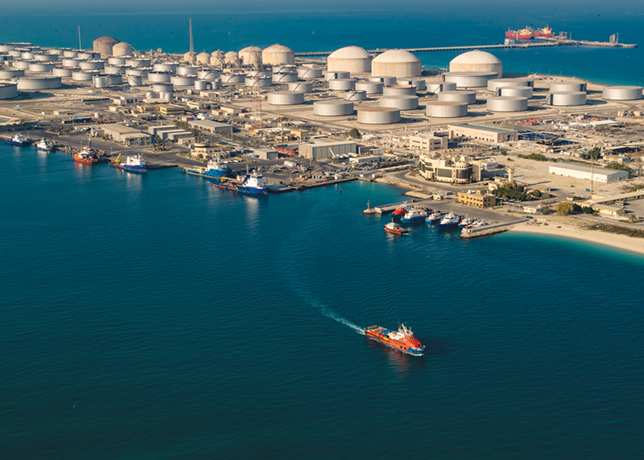
The Kingdom accelerates downstream integration through strategic partnerships, targeting 4 million bpd crude-to-chemicals conversion by 2030 while maintaining supply reliability
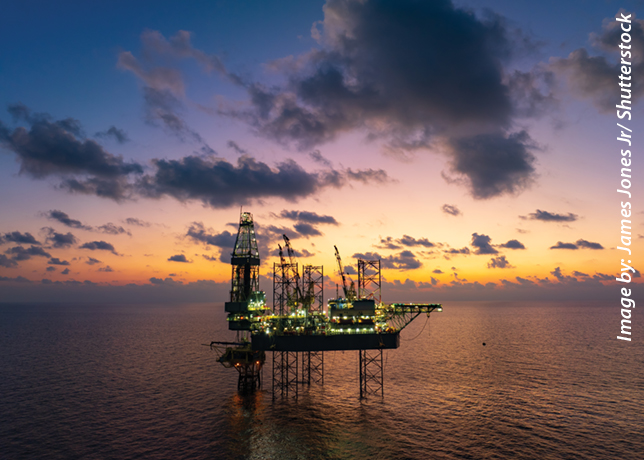
Saudi Arabia’s refining sector has reached unprecedented operational capacity in 2025, with the Industrial Production Index for refined petroleum products climbing to 123.5 in April, the highest level recorded since January 2023, signalling a fundamental reorientation of the Kingdom’s hydrocarbon monetisation strategy.
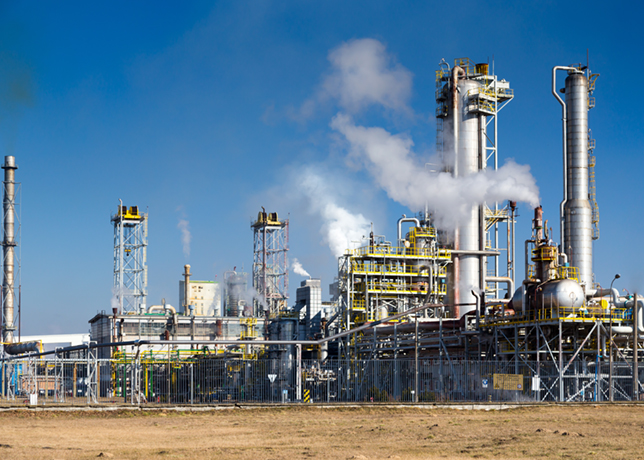
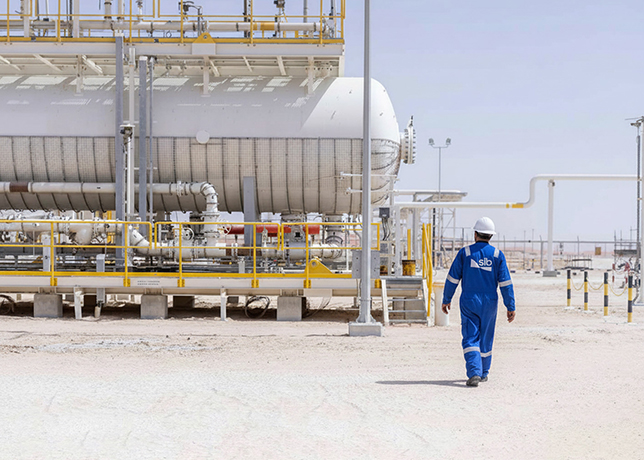
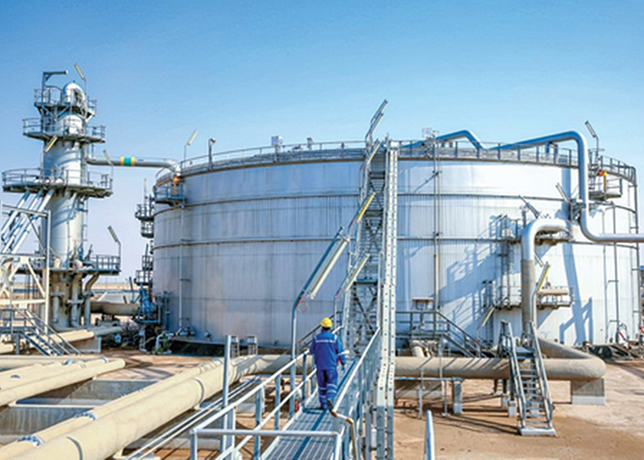
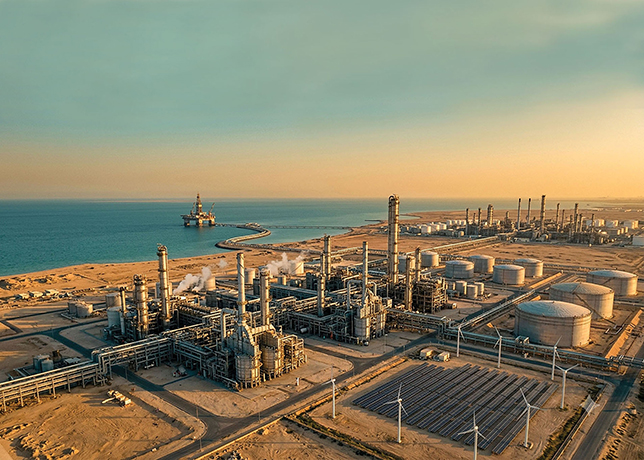
Aramco’s total net refining capacity exceeds 4 million barrels per day (bpd), encompassing wholly owned domestic operations of 1 million bpd, domestic joint ventures processing 1.9 million bpd, and international joint and equity ventures handling 2.5 million bpd.
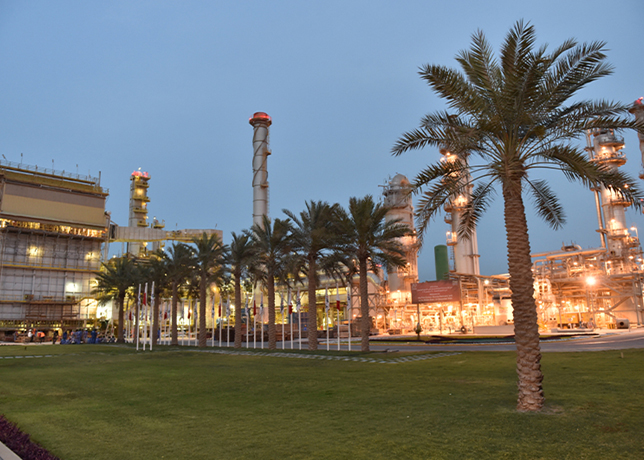
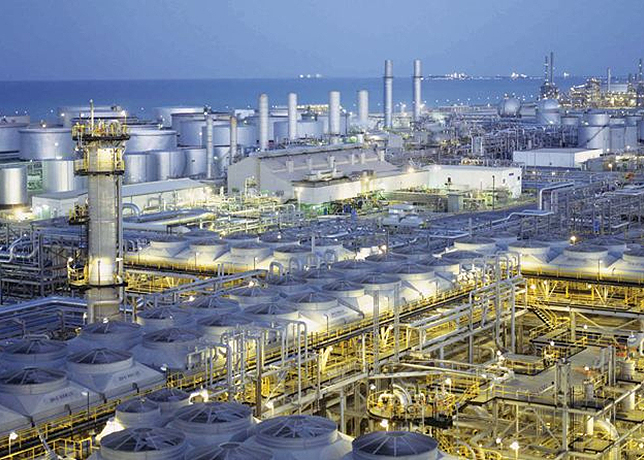
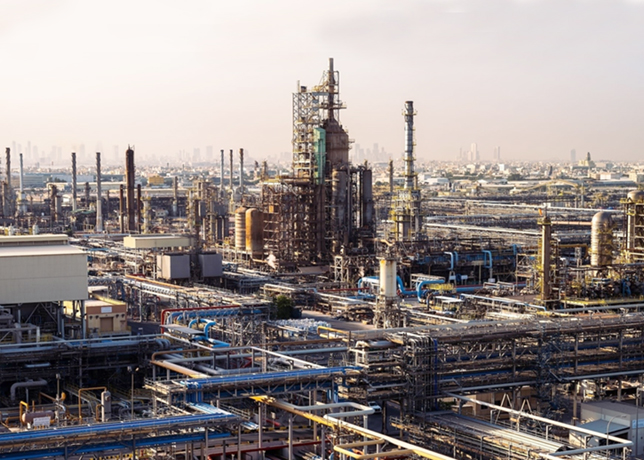
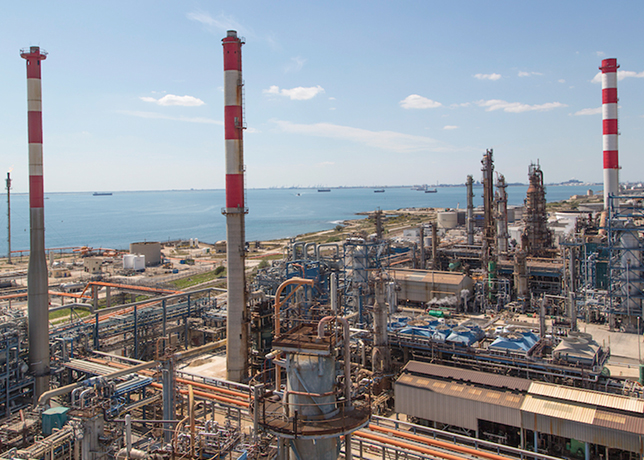
The Kingdom’s refining infrastructure spans major facilities including the Ras Tanura refinery at 550,000 bpd, SATORP in Jubail at 465,000 bpd, Yasref at 400,000 bpd, and the Samref facility at 400,000 bpd, with the Jazan refinery adding a further 400,000 bpd of capacity since its 2021 commissioning.
Aramco’s hydrocarbon production reached 12.8 million barrels of oil equivalent per day (boepd) in Q2 2025, maintaining the company’s position as the world’s largest daily oil producer while simultaneously expanding downstream capabilities.
The company maintained 100 per cent supply reliability in H1 2025, continuing its exemplary track record of consistency and stability in global energy markets during a period of significant geopolitical uncertainty.
STRATEGIC PETROCHEMICAL INTEGRATION ACCELERATES
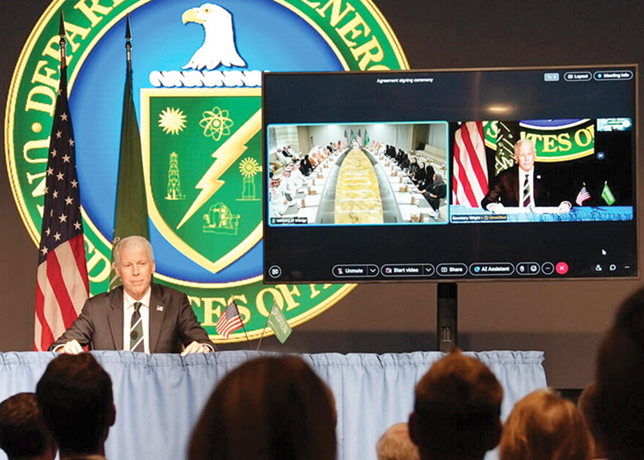
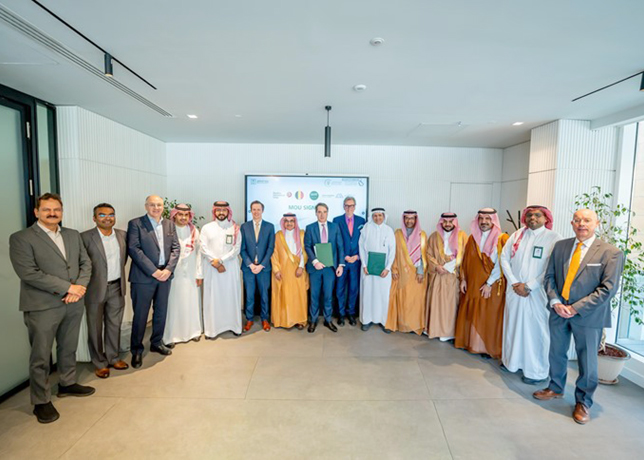
In December 2025, ExxonMobil, Aramco, and Samref signed a venture framework agreement to evaluate a significant upgrade of the Samref refinery in Yanbu, with plans to expand the facility into an integrated petrochemical complex through preliminary front-end engineering and design phases.
The Samref refinery currently processes more than 400,000 bpd, and the proposed expansion aims to enhance production of high-quality distillates resulting in lower emissions alongside high-performance chemicals, while improving the refinery’s energy efficiency through an integrated emissions-reduction strategy.
In April 2025, Aramco, Sinopec, and Yasref announced a venture framework agreement for a major petrochemical expansion at Yasref in Yanbu, coinciding with the refinery’s tenth anniversary and marking a significant milestone in China-Saudi energy cooperation.
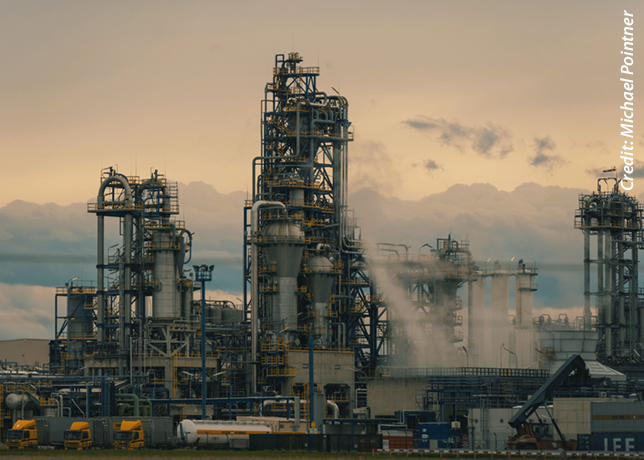
The planned expansion includes a state-of-the-art petrochemical unit featuring a large-scale mixed feed steam cracker with 1.8 million tonnes per year (mtpa) capacity and a 1.5 mtpa aromatics complex, integrated into the existing 400,000 bpd Yasref complex.
Mohammed Al Qahtani, Aramco Downstream President, confirmed the expansion aligns with the downstream strategy to convert up to 4 million bpd of crude oil into petrochemicals by 2030, representing a fundamental shift in the Kingdom’s hydrocarbon value chain.
Aramco’s current operational data shows 53 per cent of upstream crude oil production is utilised by the downstream sector, demonstrating the accelerating integration between production and value-added manufacturing capabilities.
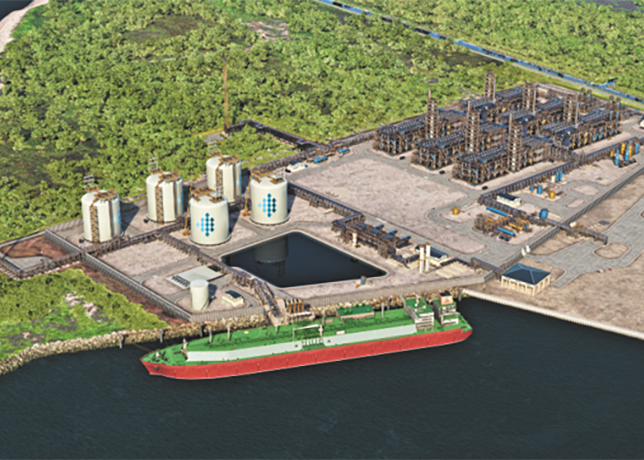
The $11-billion Amiral petrochemical complex, developed jointly by Aramco and TotalEnergies at the SATORP refinery in Jubail, received engineering, procurement and construction (EPC) contract awards in June 2023, marking the commencement of construction work following the final investment decision in December 2022.
The Amiral complex will house one of the largest mixed-load steam crackers in the Gulf with capacity to produce 1,650 kilotons per annum of ethylene and other industrial gases, making it the first facility in the region to achieve full integration with an existing refinery.
Commercial operations at Amiral are scheduled to begin in 2027, with the complex expected to provide feedstock to proposed petrochemical and specialty chemical plants throughout the Jubail industrial area, supporting manufacturing of carbon fibres, lubricants, drilling fluids, detergents, food additives, automotive parts, and tyres.
The project represents $11 billion in total investment, with $4 billion funded through equity by Aramco (62.5 per cent) and TotalEnergies (37.5 per cent), while an estimated additional $4 billion in investments from globally renowned downstream investors will support adjacent specialty chemical facilities.
SUSTAINABLE INNOVATION INITIATIVES
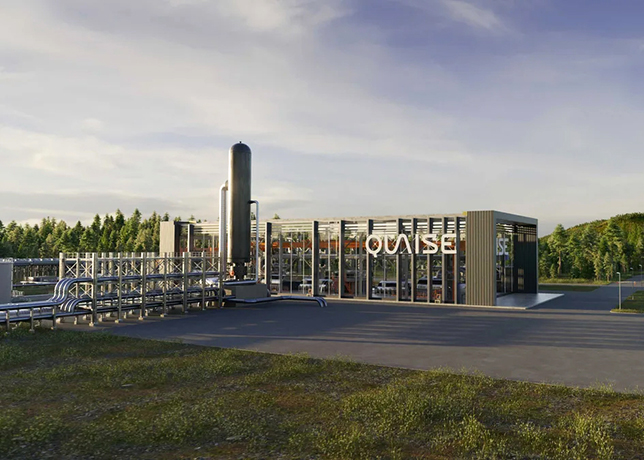
KBR announced in December 2025 that it had been awarded a contract for its PureMSM green methanol technology by Fikrat Al-Tadweer for Saudi Arabia’s first biomethanol plant, transforming landfill gas into clean fuels through commercial-scale renewable methanol production.
The PureMSM technology can utilise multiple feedstocks including biogas, gasification-derived syngas, hydrogen, and pure carbon dioxide, enabling flexibility and efficiency in renewable fuel production while aligning with Saudi Arabia’s national policy on eliminating landfill gas emissions.
Under the contract terms, KBR will provide technology licensing, proprietary engineering design, catalyst, and proprietary equipment for the biomethanol facility, representing a pioneering application of waste-to-fuel conversion in the Kingdom’s industrial landscape.
The Saudi petrochemical sector, with revenue exceeding SR310 billion ($82.7 billion), accounts for nearly 80 per cent of the Gulf Cooperation Council’s (GCC) petrochemical revenue, transitioning from basic chemicals to higher-value downstream products through investments in specialty chemicals, plastics, and advanced polymers.
In 2024, the Saudi petrochemical market reached $6 billion and it is expected to reach $9 billion by 2033, exhibiting a compound annual growth rate of 4.6 per cent driven by abundant hydrocarbon resources, integration with refining operations, and government initiatives supporting industrial diversification.
Reports indicate the specialty chemicals market is anticipated to exceed SR26 billion by the end of 2025, reflecting increased usage in advanced manufacturing and high-value products across automotive, healthcare, and electronics applications.
The Kingdom’s strategic geographic location at the crossroads of Europe, Asia, and Africa provides exceptional access to key emerging and developed markets, facilitating efficient export logistics.
With the urban population projected to reach 36 million by 2025-end, domestic urbanisation will drive demand for construction materials, packaging, and consumer goods.
Saudi Arabia’s decision to prioritise refining represents a structural adjustment aimed at sustaining long-term energy competitiveness, maximising revenue per barrel, building resilience against volatile oil prices, and accelerating development of downstream industries central to Vision 2030 including petrochemicals, logistics, and advanced manufacturing.
Starting in April 2025, a core group of eight Opec+ producers began easing 2.2 million bpd of voluntary production cuts, with Saudi Arabia contributing 130,000 bpd of additional supply in May, yet rather than exporting this additional crude, the Kingdom channelled it into domestic refining operations.
This strategic redirection highlights a fundamental policy preference for value-added transformation over raw crude exports, while the integration of refining with petrochemical and manufacturing sectors enhances competitiveness across industries from plastics and fertilisers to specialty fuels and chemicals.
Major petrochemical producers face ongoing challenges in global markets, with most Saudi companies experiencing margin pressures from rising feedstock prices and lower product sales prices, though the sector maintains significant cost advantages over competitors in Europe and Asia through access to advantaged feedstock, reported EFG Hermes.
Industry experts project Saudi Arabia’s petrochemical production capacity will double in the next five years, from approximately 75 mtpa to more than 140 mtpa, with energy costs and strategic infrastructure investments reinforcing the Kingdom’s competitiveness as a global petrochemical leader.
The Kingdom is developing comprehensive carbon capture, utilisation, and storage capabilities while advancing green hydrogen production through abundant solar and wind resources, with the NEOM Green Hydrogen Project targeting 650 tonnes per day production by 2025 to establish the world’s largest such facility.
Saudi Arabia’s petrochemical sector remains deeply integrated with the oil and gas value chain, providing substantial cost advantages through feedstock supply, while Jubail Industrial City offers state-of-the-art infrastructure supporting continued sector growth.
Downstream integration and value addition represent major trends shaping the industry, with the shift from producing basic chemicals to manufacturing higher-value downstream products including specialty polymers, advanced resins, and sustainable alternatives aligning with global decarbonisation efforts.
The adoption of regenerative and sustainable catalysts designed for multiple regeneration cycles reduces waste and operational costs in refining and petrochemical processes, while digital transformation through artificial intelligence, machine learning, Internet of Things, and big data analytics optimises production processes and enhances operational efficiency.
Government support through entities including the Public Investment Fund (PIF) and major state-owned companies, such as Aramco and SABIC, ensures substantial investments in new petrochemical complexes, capacity expansions, and research and development initiatives that position Saudi Arabia as a hub for catalyst innovation and process technology advancement.
The Kingdom’s refining expansion serves as connective tissue between crude extraction and higher-value industries, while increasing domestic refinery runs supports value-added industries and bridges the hydrocarbon legacy with a more diversified economic future aligned with Vision 2030 objectives.
As more Saudi crude undergoes domestic refining, global markets experience shifts in product availability particularly for diesel and jet fuel, influencing regional pricing and trade flows throughout Asia and Europe while establishing the Kingdom not merely as a crude exporter but as a leading supplier of refined, high-value petroleum products.
The transformation underway in Saudi Arabia’s refining and petrochemical sectors represents a fundamental reorientation of the Kingdom’s role in global energy markets.
The Kingdom is combining traditional hydrocarbon advantages with advanced manufacturing capabilities, sustainability initiatives, and strategic international partnerships that collectively position it as an enduring industrial powerhouse extending far beyond conventional oil production.
By Abdulaziz Khattak