









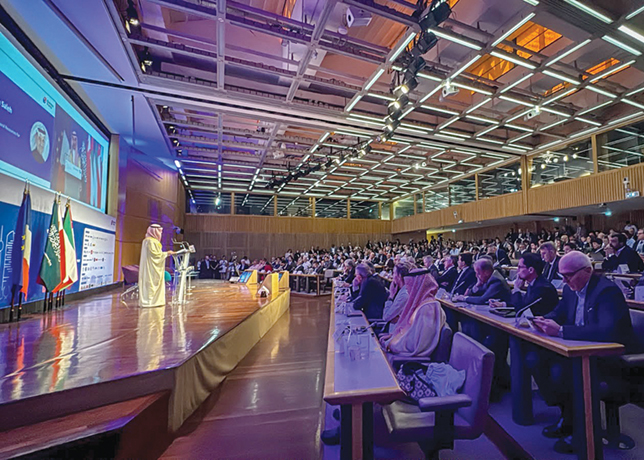


























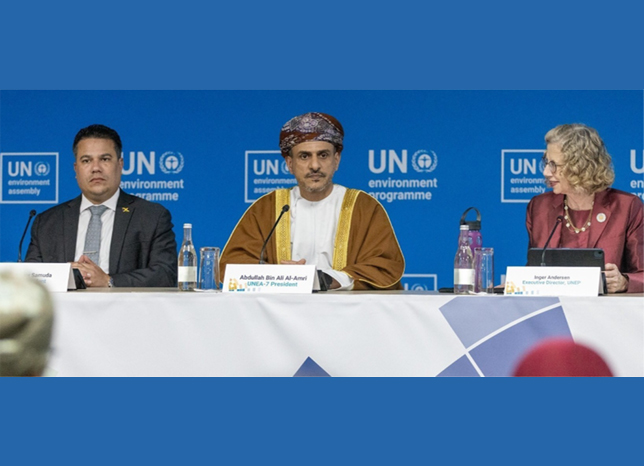
The seventh UN Environment Assembly (UNEA-7) concluded with 11 resolutions, three decisions, and a Ministerial Declaration, aimed at advancing global environmental solutions.
Over 6,000 participants from 186 countries focused on tackling climate change, biodiversity loss, land degradation, and pollution.
Key resolutions address coral reef protection, sustainable minerals and metals management, chemicals and waste, responsible AI use, and solutions through sport, alongside initiatives on wildfires, glaciers, antimicrobial resistance, and sargassum seaweed blooms.
Abdullah Al-Amri, UNEA-7 President, emphasised that success will be measured by tangible outcomes such as cleaner air, restored ecosystems, green jobs, and resilient societies.
The Ministerial Declaration commits Member States to bold, equitable, and inclusive actions, implementation of multilateral environmental agreements, and delivery of sustainable solutions.
UNEP’s Medium-Term Strategy for the next four years and the two-year Programme of Work were approved.
Inger Andersen, Executive Director, urged nations to accelerate implementation, highlighting ongoing human, economic, and ecological losses due to insufficient environmental action.
UNEA-7 also featured MEA Day, the Youth Environment Assembly, the Cities and Regions Summit, and the Global Major Groups and Stakeholders Forum, emphasising youth, local governance, and civil society engagement.
The Global Environment Outlook 2025 stressed that investment in climate, nature, and pollution control can boost global GDP, save lives, and reduce poverty.
Awards included the 2025 UN Champions of the Earth, UN World Restoration Flagships, and UNEP Goodwill Ambassador initiatives.
Matthew Samuda was elected UNEA-8 President, pledging inclusivity, stronger science-policy links, and accelerated transitions to sustainable systems worldwide.