









































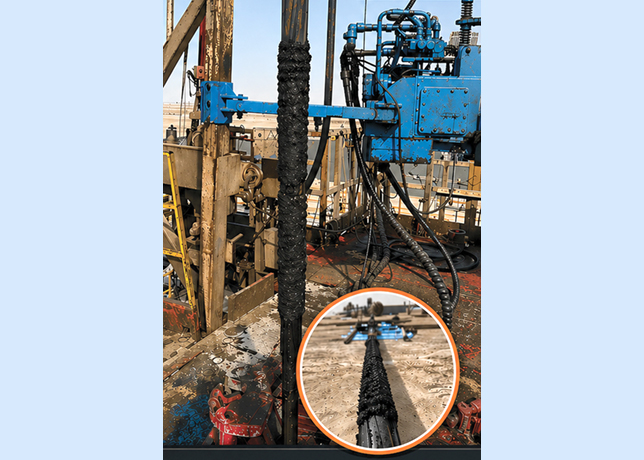

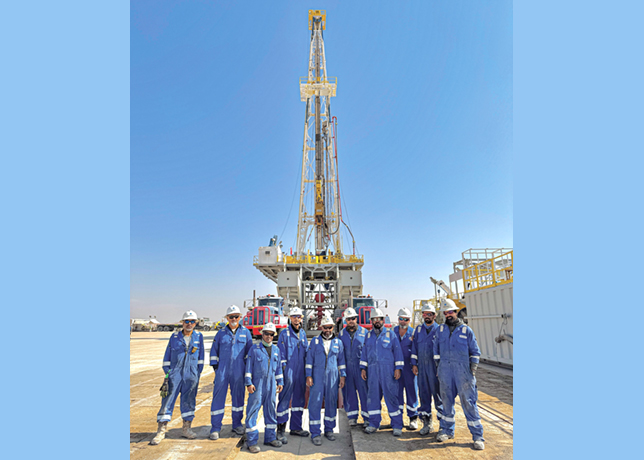




Advanced catalysts and adsorbents offer a powerful means of enhancing refinery performance while managing risk, without committing to disruptive process changes, Dr Meritxell Vila-Fontes tells OGN
Refineries across the Middle East are operating in an increasingly complex and demanding environment.
While capacity expansions continue to play a role in long-term strategy, the immediate challenge for most operators is how to extract greater value from existing assets.
Volatile crude slates, tighter product specifications, higher expectations on reliability, and increasing pressure to reduce emissions are forcing refiners to rethink how they optimise performance without major capital expenditure.
'In this context, catalysts and adsorbents remain at the very core of refinery efficiency,' Dr Meritxell Vila-Fontes, Founder and CEO MERYT Chemicals, tells OGN energy magazine.
For decades, conventional catalyst systems have provided robust and predictable performance, supporting the growth of the refining industry worldwide.
However, many of these traditional solutions were designed for more stable feedstocks and less severe operating conditions than those encountered today.
As a result, refiners are increasingly facing limitations in activity, selectivity, cycle length and tolerance to contaminants.
The challenge is not simply to replace existing catalysts, but to adapt them to a new operational reality.
Advanced catalysts and adsorbents precisely offer this opportunity: Incremental yet highly valuable improvements that can be integrated into existing units, allowing refiners to respond to today’s demands while minimising risk and cost.
LIMITATIONS OF TRADITIONAL CATALYST APPROACHES
 |
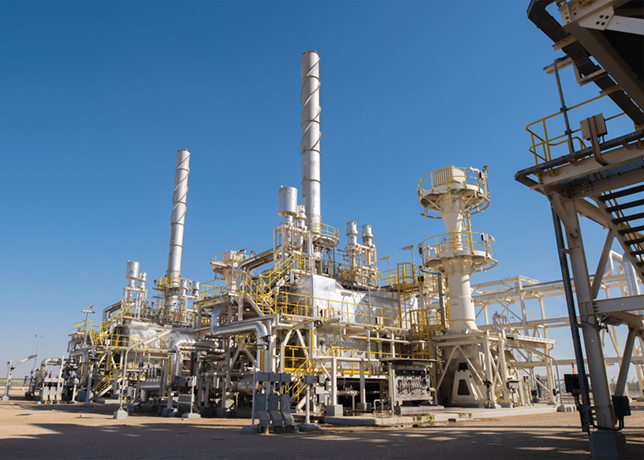
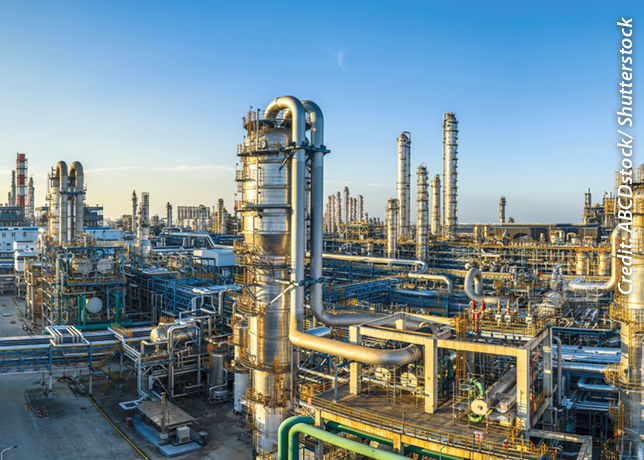
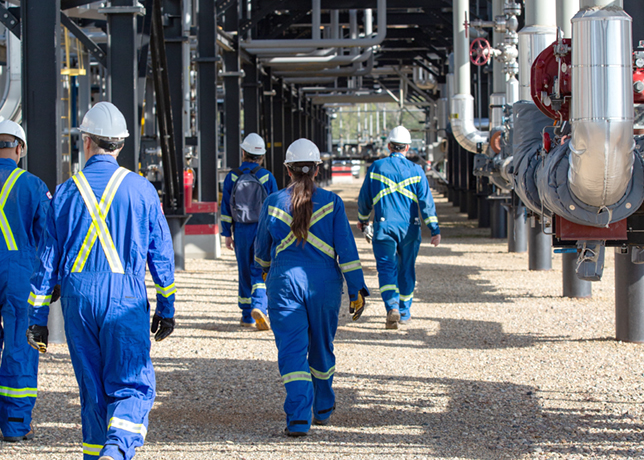
Advanced catalysts and adsorbents allow refiners to respond to demands while minimising risk and cost |
Standard catalyst formulations, while proven and reliable, often struggle when confronted with heavier or more variable feeds, higher levels of impurities, or the need for extended run lengths.
Catalyst deactivation due to poisoning, fouling or sintering can significantly impact unit performance, leading to unplanned shutdowns, higher hydrogen consumption or off-spec products.
In addition, many refineries operate units that were designed decades ago, where flexibility was not a primary design consideration.
Under such circumstances, relying solely on generic catalyst solutions may result in suboptimal operation, particularly when refiners are required to process a wider range of feedstocks, including bio-based feeds or pyrolysis oils derived from recycled plastics; or adapt to rapidly changing market conditions.
Adsorbents, often viewed as auxiliary materials, face similar challenges.
Conventional adsorbents may provide basic purification or protection, but are not always optimised for today’s contaminant profiles or flow conditions.
As refining schemes become more integrated and complex, the role of adsorbents in safeguarding catalyst performance becomes increasingly critical.
ROLE OF ADVANCED CATALYSTS & ADSORBENTS
 |
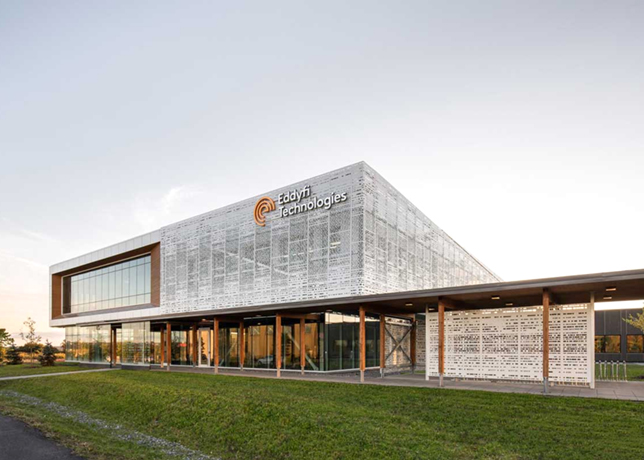
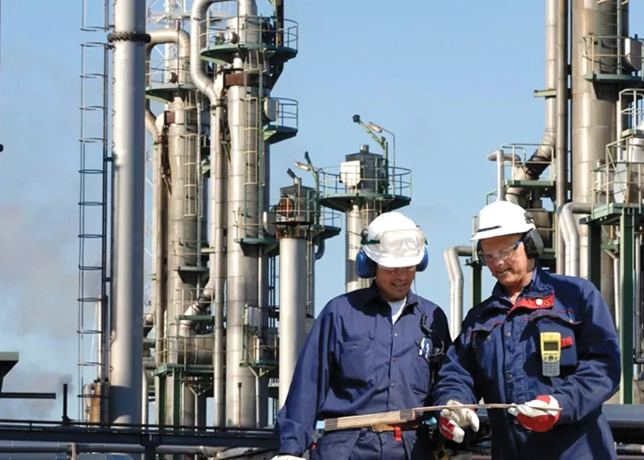
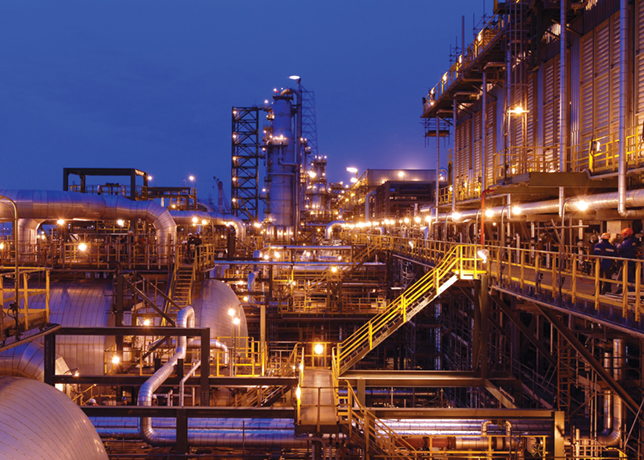
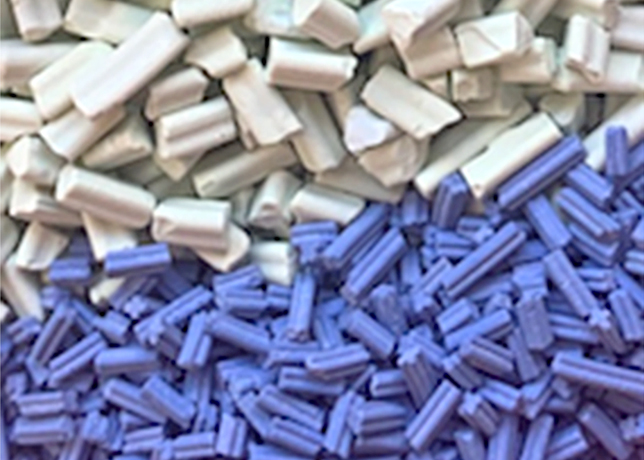
MERYT drives sustainability through advanced catalyst technology |
In this context, advanced catalysts and adsorbents refer to materials specifically engineered to operate under more severe and variable conditions than conventional formulations, offering improved activity, selectivity, stability and resistance to deactivation.
These materials are not intended to revolutionise refinery processes overnight. Their real value lies in delivering targeted, practical improvements that enhance the performance of existing units.
Through optimised formulations, controlled pore structures, tailored active phases and enhanced mechanical strength, advanced catalysts and adsorbents can address specific operational bottlenecks more effectively than traditional alternatives.
In hydrotreating and hydroprocessing units, advanced catalysts can improve activity and selectivity under more severe conditions, enabling better sulphur and nitrogen removal while maintaining acceptable hydrogen consumption.
In reforming and other upgrading processes, tailored catalyst systems can help refiners achieve higher yields and improved product quality without sacrificing stability.
Adsorbents play an equally important role as well with advanced adsorbent materials increasingly being used to remove trace contaminants, protect sensitive catalysts and extend cycle lengths.
By acting as a first line of defence, these materials help preserve catalyst integrity and reduce the risk of premature deactivation, ultimately contributing to more stable and predictable operations.
Importantly, these benefits are typically realised without major modifications to existing equipment, making advanced catalysts and adsorbents particularly attractive in a market environment where capital discipline and rapid payback are essential.
EMERGING MATERIALS: WHERE DO MOFs FIT TODAY?
Beyond optimising existing catalyst and adsorbent systems, the industry is increasingly engaging with more advanced material platforms.
Among these, metal-organic frameworks (MOFs) have attracted significant attention due to their exceptionally high surface areas, tunable pore structures and the growing body of industrial validation data supporting their performance.
While MOFs cannot yet be considered a short-term substitute for conventional catalyst or adsorbent systems, their rapid technological maturation indicates that they are likely to progressively secure a meaningful role in industrial processes over the coming years.
Challenges related to large-scale manufacturing, shaping, mechanical stability and cost remain relevant and must be addressed for widespread refinery deployment.
That said, substantial progress has been achieved in recent years, particularly in scalable synthesis routes and in the development of pelletised, extruded and composite MOF formulations with improved mechanical robustness.
In the refining and petrochemical context, the most realistic near-term applications for MOFs lie in selective adsorption, purification and separation processes, where their molecular-level selectivity can deliver performance advantages that are difficult to achieve with conventional materials.
As production technologies continue to mature and costs decline, MOFs are expected to transition progressively from pilot and niche applications toward more established industrial roles, especially in gas separation, trace contaminant removal and CO2 management.
THE IMPORTANCE OF APPLIED TECHNICAL KNOWLEDGE
Despite their technical sophistication, even the most advanced materials cannot deliver optimal results in isolation.
One of the most underestimated factors in catalyst and adsorbent performance is the quality of technical support that accompanies their deployment.
Proper material selection, loading procedures, start-up conditions and ongoing monitoring are all critical to achieving the desired performance.
In many cases, underperformance is not due to the material itself, but to a mismatch between material properties and the specific operating conditions of the unit.
Feedstock composition, temperature profiles, pressure drops and transient operating events all influence how a catalyst or adsorbent behaves in practice.
As refining operations become more complex, the value of close collaboration between technology providers and refinery teams becomes increasingly evident.
Continuous technical engagement allows for faster troubleshooting, better anticipation of operational challenges and more effective adaptation to changing conditions.
This applied-knowledge approach transforms catalysts and adsorbents from commodities into strategic tools for operational excellence.
THE GCC CONTEXT: EFFICIENCY, RELIABILITY & LOCAL SUPPORT
Refineries in the GCC occupy a unique position in the global refining landscape, with many operating at world-scale capacity, processing a wide range of crudes, and playing a strategic role in national energy systems.
At the same time, they face strong expectations in terms of reliability, safety and long-term asset performance.
In this context, the availability of local technical expertise is becoming a decisive factor.
Refiners increasingly value partners who can provide not only high-quality materials, but also on-the-ground technical support, rapid response capabilities and a deep understanding of regional operating conditions.
This shift reflects a broader move away from purely transactional supply models towards more collaborative, performance-driven relationships.
Advanced catalysts and adsorbents, when combined with strong local technical support, offer a powerful means of enhancing refinery performance while managing risk, without committing to disruptive process changes or large-scale capital projects.
Looking Ahead: Intelligent Optimisation as the Way Forward
The near-term future of refinery optimisation will not be defined by radical technological disruption, but by intelligent, data-driven improvements built on advanced materials and close technical collaboration.
Refiners that focus on extracting maximum value from their existing assets, while maintaining flexibility and reliability, will be best positioned to navigate an increasingly complex energy landscape.
Advanced catalysts and adsorbents will continue to play a central role in this evolution.
Their successful deployment, however, will depend not only on material innovation, but also on the ability to integrate these solutions into real operating environments through applied knowledge and long-term partnership.
Companies such as MERYT Chemicals, working closely with refineries and chemical plants, are increasingly embracing this applied-knowledge model, supporting the integration of advanced catalysts, adsorbents and emerging materials to deliver practical, measurable improvements in efficiency, reliability and operational performance.