






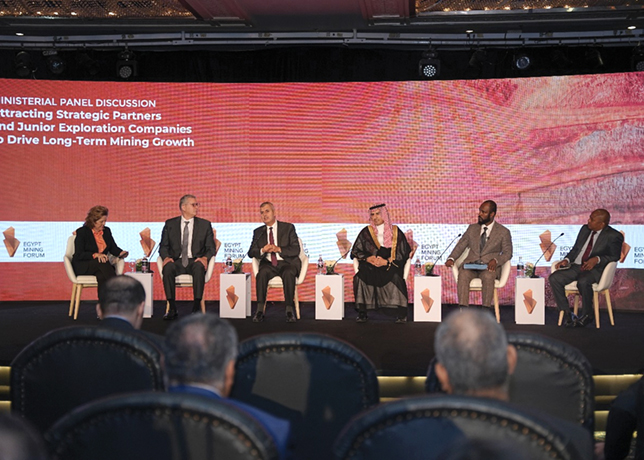

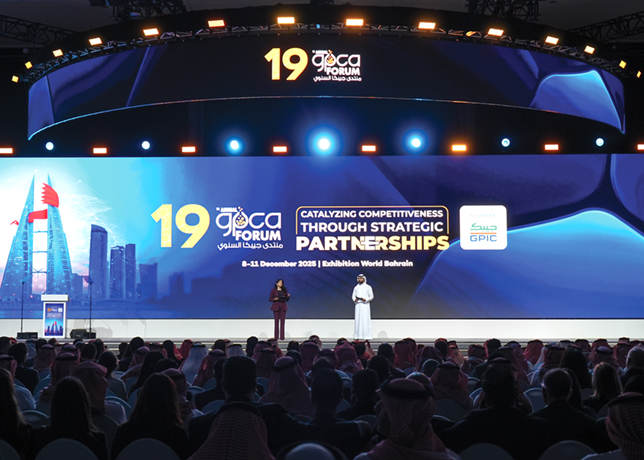












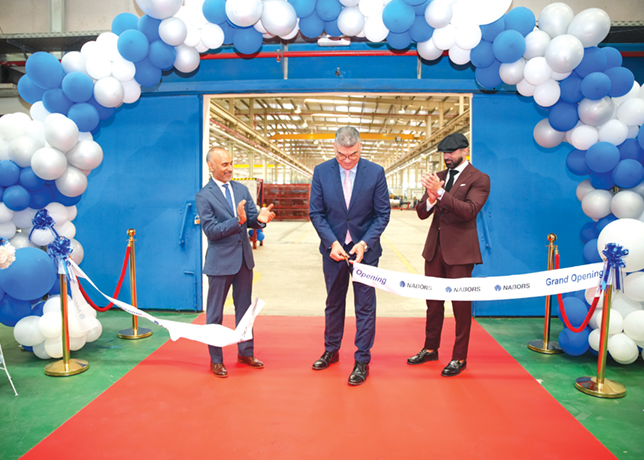

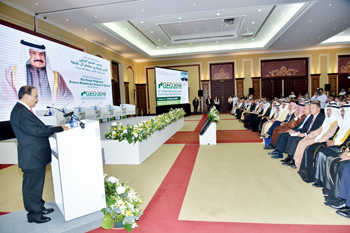
 Dr Mirza at the opening of the GEO 2016
Bahrain is considering the launch of a pilot project to recover a huge untapped resource in the residual oil saturation in the Gas Cap of the Mauddud reservoir, Energy Minister Dr Abdul Hussain bin Ali Mirza said here at a conference.
Speaking at the opening of the 12th Middle East Geosciences Conference and Exhibition (GEO 2016), the minister said that efforts are being made to produce the residual oil saturation in the Gas Cap of the Mauddud reservoir. “For this, currently an expanded pilot project is being evaluated to determine the best way to recover this huge resource,” he added. The Bahrain Field, said the minister, was discovered in 1932, the first discovery in the GCC countries.
“We are proud of the fact that although a large percentage of the recoverable reserves of the Bahrain Field have already been produced over the last 84 years, National Oil and Gas Authority (Noga), through Tatweer Petroleum, managed during the last few years to arrest, and reverse the declining oil production, and to increase the daily oil output by more than 50 per cent, compared with the production level of 2009.
“Additionally, the non-associated gas production capacity was also increased by around 30 per cent, which enabled us to meet all natural gas demands during the last five years,” added Dr Mirza.
“Despite all challenges, we are confident, and determined, to develop the non-associated gas resources of the deep sandstones formations in the Bahrain Field,” he added.
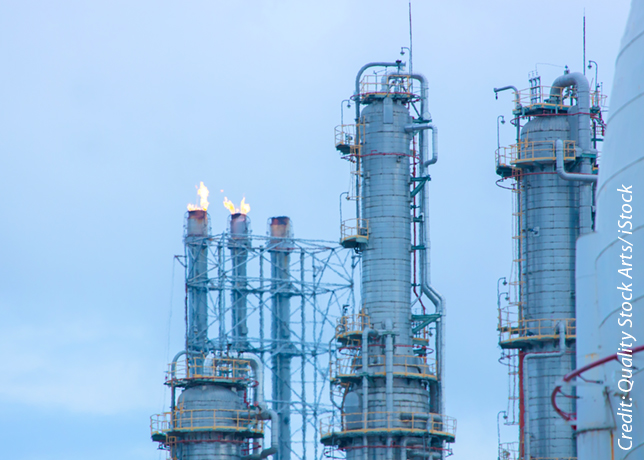
According to him, Noga has managed to reduce associated gas flaring in the field, to less than 0.5 per cent. The associated gas that used to be flared, he said, is captured and re-injected in the producing reservoirs.
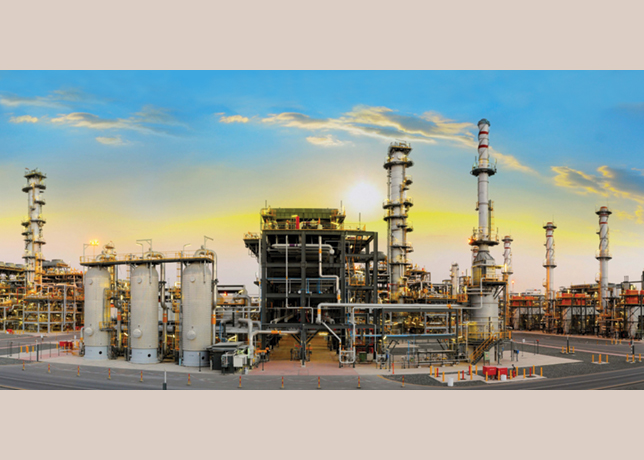
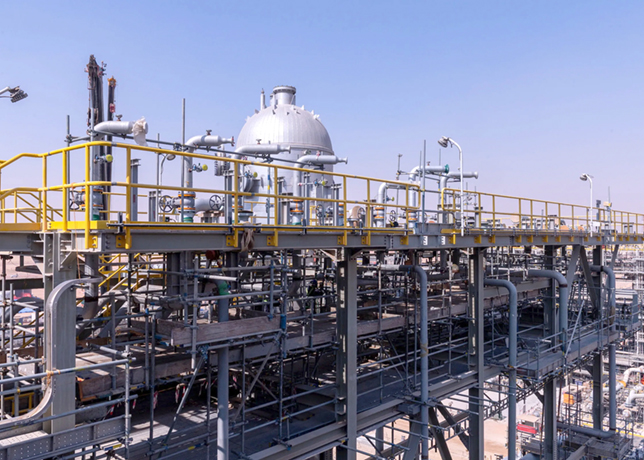
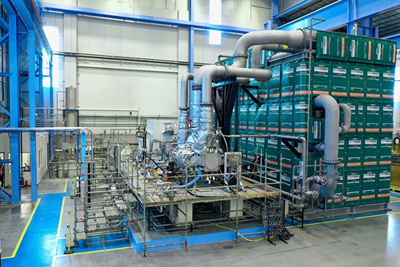
A $355 million expansion of gas processing facilities at the Bahrain National Gas Company will increase its processing capacity by 350 million cubic feet per day. It will process the additional associated gas, which resulted from Tatweer’s increased production to produce liquefied petroleum gas.
“The residue gas, will then be injected in the producing reservoirs, to maintain pressure and to cycle the rich gas,” he added.