




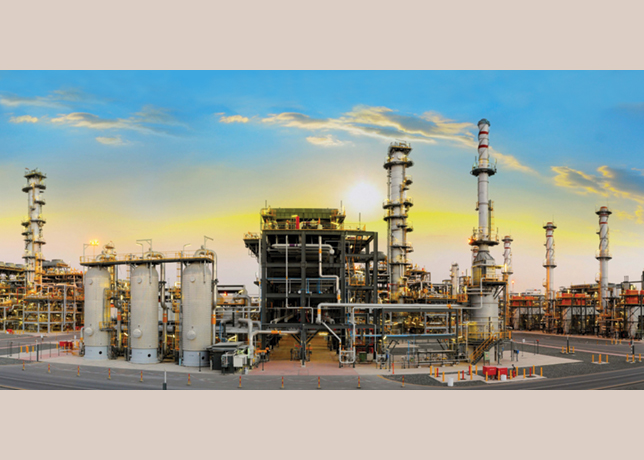










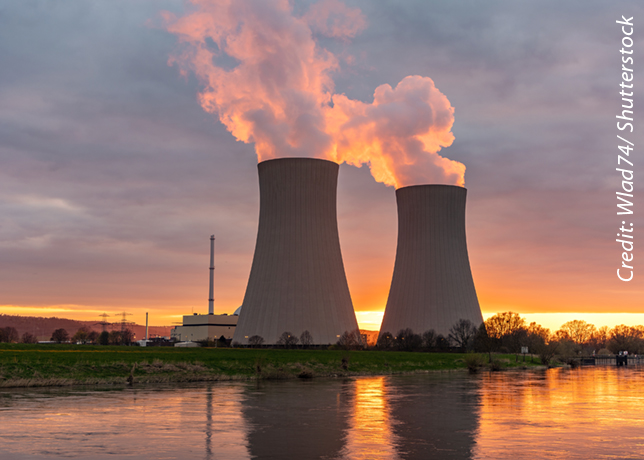
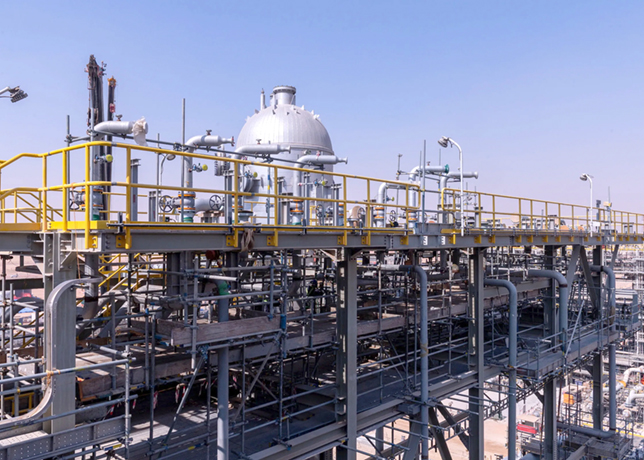







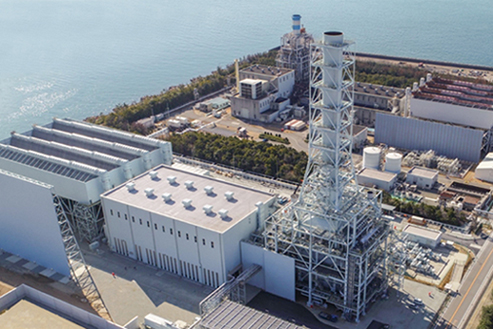
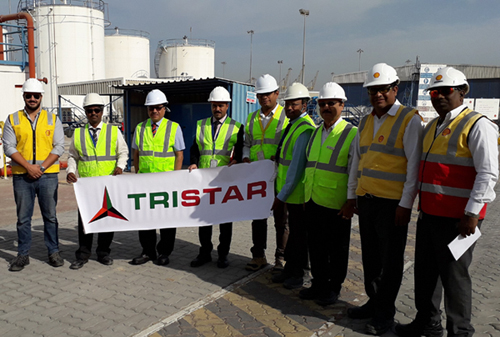
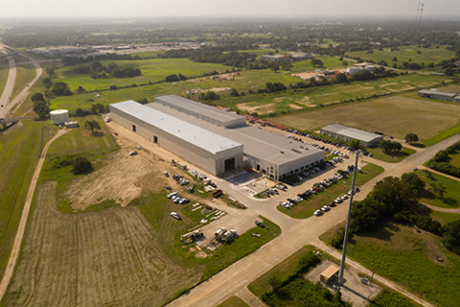
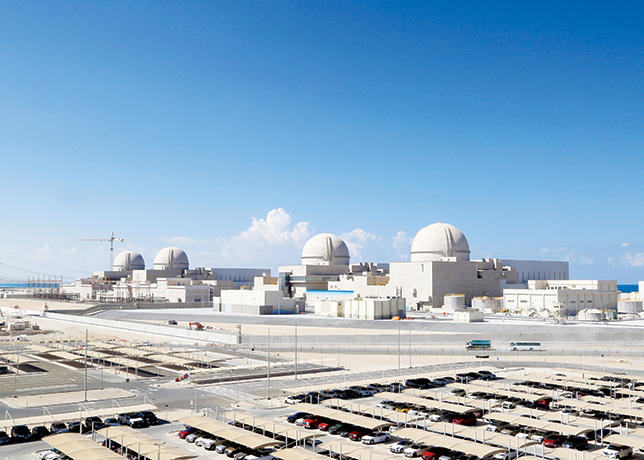
 The Barakah Nuclear Energy Plant in Abu Dhabi, UAE
Global nuclear generation reached unprecedented levels in 2024, whilst mounting pressure from data centres and climate commitments drives accelerated expansion plans The global nuclear industry achieved a historic milestone in 2024, generating 2,667 terawatt-hours (TWh) of electricity, the highest annual output ever recorded and surpassing the previous 2006 record of 2,660 TWh.
This achievement comes as the sector confronts an unprecedented challenge of meeting surging electricity demand from artificial intelligence (AI), data centres, and electrification whilst simultaneously delivering on climate commitments to triple nuclear capacity by 2050.
The 66 TWh increase from 2023’s generation marked a significant recovery, with France’s return of reactors following extended outages contributing 40 TWh to the global total.
By year’s end, 440 operable nuclear reactors worldwide commanded a total capacity of 398 gigawatt-electric (GWe), representing a 6 GWe increase over 2023.
GLOBAL CAPACITY & CONSTRUCTION ACTIVITY
Construction commenced on nine large pressurised water reactors during 2024, with China dominating new builds by initiating six projects.
Egypt, Pakistan, and Russia each started construction on one reactor, bringing the year-end total of units under construction to 62.
Seven reactors achieved grid connection in 2024, including units in China, France, India, the UAE, and the US.
Construction times varied dramatically, from China’s Zhangzhou 1 Hualong One completing in just 61 months to France’s Flamanville 3 EPR requiring 204 months from first concrete to grid connection.
The fleet maintained robust operational performance, achieving an average capacity factor of 83 per cent in 2024, up from 82 per cent in 2023.
Units are operating for 40 years and beyond demonstrating no overall age-related decline in capacity factors, a promising indicator for extended operation potential.
Asia drove regional generation growth, hosting five of the seven reactors connected during the year.
West and Central Europe also recorded increases as French reactors returned to service after 2022 and 2023 outages.
Four reactors entered permanent shutdown in 2024: Russia’s Kursk 2 RBMK reactor, two Canadian PHWR units at Pickering, and Taiwan’s Maanshan 2 PWR.
MEETING THE TRIPLE NUCLEAR ENERGY DECLARATION
The industry now faces an extraordinary expansion challenge following 31 governments’ commitment to the Declaration to Triple Nuclear Energy.
This goal requires global nuclear capacity to reach approximately 1,200 GWe by 2050.
However, announced capacity goals could total 1,363 GWe by 2050. And when existing operable reactors, units under construction, and planned and proposed projects are included, total global capacity could reach 1,428 GWe by 2050.
Five countries, including China, the US, France, India, and Russia would together account for nearly 1,000 GWe of the 2050 total.
Between 2026 and 2030, an average of 15.6 GWe of new capacity must connect to grids annually.
This rate must increase to 22.6 GWe annually between 2031 and 2035, then nearly double to 49.2 GWe between 2036 and 2040.
By the final years approaching 2050, new grid connections must average 67 GWe annually, more than four times the rate required in 2030 and double the historic peak connection rates achieved during the mid-1980s nuclear expansion.
Only approximately 11 GWe per year is expected to come online over the next five years.
Since 2012, nuclear generation has increased by an average of just 25 TWh annually.
Doubling nuclear output by 2050 requires an average increase of 100 TWh every year, whilst tripling it demands 200 TWh annually.
For context, achieving a 200-TWh annual increase would require approximately 28 GWe of new nuclear capacity to be brought online each year.
REGIONAL DEVELOPMENTS & MARKET DYNAMICS
China’s nuclear programme continues its aggressive expansion trajectory, operating 58 reactors with 57 GWe total capacity and constructing 32 additional units totalling 34 GWe as of July 2025.
The country connected its first CAP1400 reactor in October 2024 and saw construction begin on multiple projects throughout the year.
Chinese regulatory approvals in 2024 and early 2025 encompassed 21 reactors across 10 projects, demonstrating sustained governmental commitment to nuclear expansion.
The US operates the world’s largest nuclear fleet with 94 reactors commanding 97 GWe capacity.
President Donald Trump’s May 2025 executive orders target increasing US nuclear energy capacity to 400 GWe by 2050.
Multiple reactors received subsequent licence renewals extending operating lifetimes to 80 years, including North Anna, Monticello, Oconee, and VC Summer units.
Notably, market demand from technology companies is driving reactor restarts, with Constellation securing a 20-year power purchase agreement with Microsoft enabling Three Mile Island 1’s revival and a similar arrangement with Meta supporting Clinton 1’s continued operation.
France operates 57 reactors with 63 GWe capacity, with the December 2024 Flamanville 3 EPR grid connection marking the country’s first new reactor since 1999.
The country’s parliament approved construction of six EPR2 units at an estimated cost of €67.4 billion ($78 billion), though challenges identified by the national auditor have delayed final investment decisions pending financing certainty and detailed design progress.
India’s expanding programme comprises 24 reactors generating 7,943 MWe, with seven units under construction.
It announced plans for nuclear to provide nearly 9 per cent of electricity by 2047, requiring development of at least 100 GWe of nuclear energy.
Ten additional 700 MWe PHWR units received construction sanctioning, whilst a nuclear energy mission was launched for small modular reactor (SMR) development targeting, at least, five SMRs by 2033.
CHALLENGES & REQUIREMENTS
Regulatory reform remains essential to streamline licensing processes without compromising safety standards.
The nuclear supply chain requires substantial strengthening and expansion to support accelerated construction rates.
Workforce development programmes must produce qualified personnel at unprecedented scales.
The nuclear fuel cycle demands significant investment from uranium mining through fuel fabrication to meet expanded capacity requirements.
Small modular reactors and advanced reactor technologies require accelerated development and deployment pathways.
Most critically, channelling affordable financing throughout the entire nuclear value chain represents a fundamental prerequisite.
With the fastest construction times for new reactors currently around five years, decisions made today determine the energy systems of the 2030s and beyond.
The March 2025 formation of a coalition comprising Amazon, Google, Meta, Dow, and Allseas signals growing corporate recognition of nuclear energy’s unique capabilities.
The industry stands at a pivotal juncture where record-breaking performance must translate into sustained, accelerated expansion.