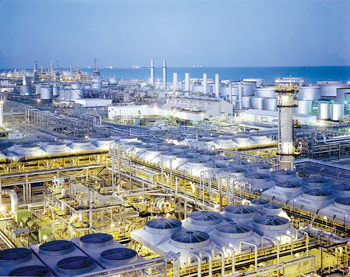















Iran plans to increase its refining capacity for crude and condensate by more than 70 per cent within the next four years as it works to improve the quality of fuel sold on the domestic market and wean itself off imported gasoline, says a Bloomberg report.
The Gulf oil producer will raise capacity to about 3.2 million barrels a day (mbpd) by 2020 from 1.85 mbpd currently by building five plants, Abbas Kazemi, managing director of National Iranian Oil Refining & Distribution Co, said in an interview in Tehran. The country also needs about $14 billion in investment to upgrade units at five existing refineries to produce gasoline that burns more cleanly than grades currently available in the country, he said.
Iran, Opec’s third-largest oil producer, is boosting energy output after international sanctions curbing its access to oil markets were eased in January. Since then, Iran has restored oil production near to pre-sanctions levels and raised output of natural gas at the offshore South Pars field, part of the world’s largest deposit.
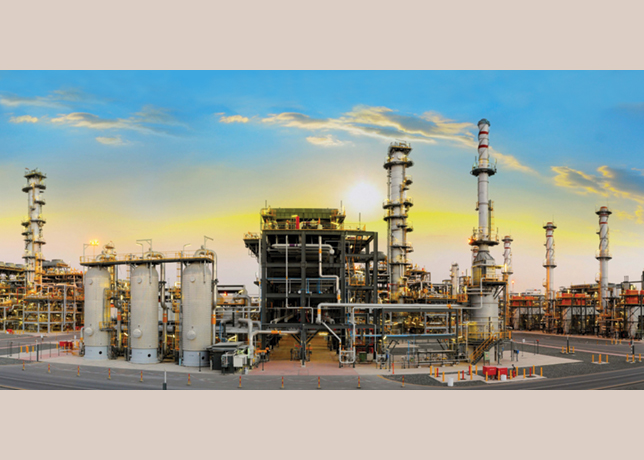
One of the new refineries, the 360,000 bpd Persian Gulf Star, is scheduled to start operating by March, Kazemi said. The refinery will process condensate, the light oil found in gas deposits. Iran is seeking to use its condensate to make gasoline for transportation or naphtha for use in chemical plants.
Private companies are developing the Siraf condensate refinery complex at the southern port of Assaluyeh.
The planned complex of eight units, each with a capacity of 60,000 bpd, will process condensate from South Pars into naphtha.
"The only product they’re short is gasoline," Tushar Tarun Bansal, an oil analyst at consultant FGE in Singapore, said. Transforming condensate into gasoline will help Iran cut imports starting in the second quarter of 2017, he said.
The refineries to be upgraded are at Isfahan, Tabriz, Tehran, Bandar Abbas and Abadan, Kazemi said in the interview. The government will pay for Abadan plant’s modernisation and is seeking investors to fund the others, he said.
Japanese engineering company Chiyoda is conducting a feasibility study with Mitsui & Co on the Bandar Abbas project, said Masaru Akamatsu, a Chiyoda spokesman.