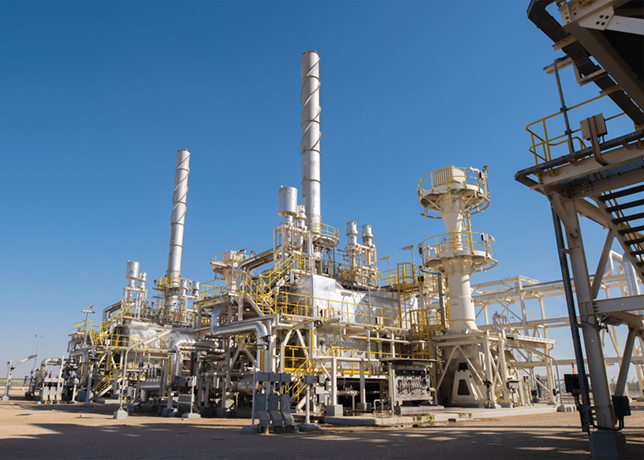















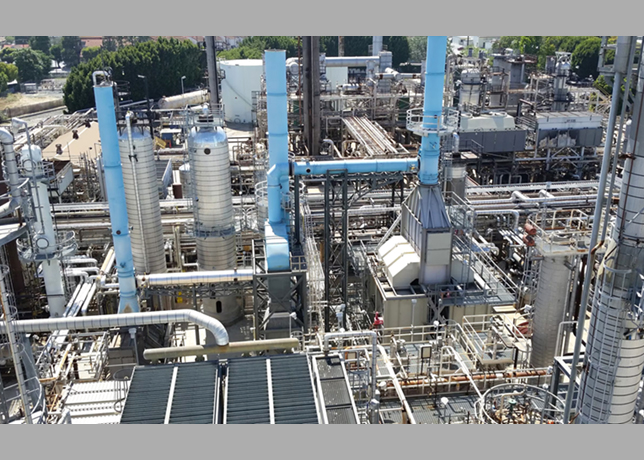





















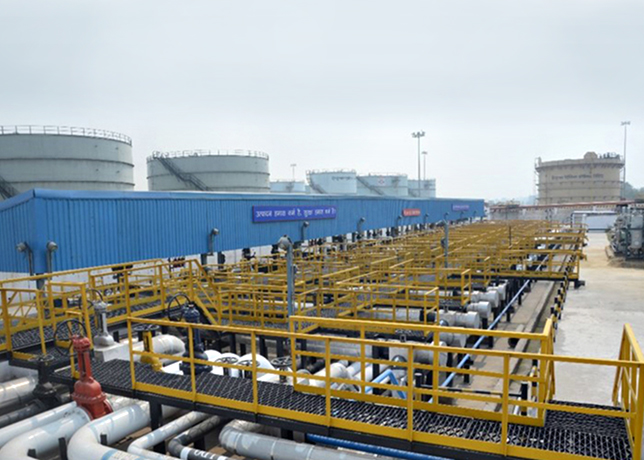
Hindustan Petroleum Corporation Limited (HPCL) has commissioned India’s first LC-MAX® residue conversion unit at its Visakh Refinery, supported by an integrated intelligence backbone, marking a significant milestone in the evolution of India’s refining sector.
The technology is one of the most complex refining processes ever designed.
Developed and patented by CLG in 2012, LC-MAX converts the bottom of the barrel into high-value distillates, achieving up to 93 per cent vacuum residue conversion, while driving operational excellence and sustainability across HPCL’s residue upgradation facility (RUF).
Operating such an advanced and complex unit from the outset requires real-time intelligence and optimisation.
To meet this, the LC-MAX Digital Suite, developed and delivered by Lummus Digital, integrates real-time monitoring, predictive analytics, and AI-driven optimisation to enable HPCL to operate the unit at peak efficiency from day one.
Embedded from the startup phase, the digital suite ensures that at feed cut-in, the system is fully operational and production-ready.
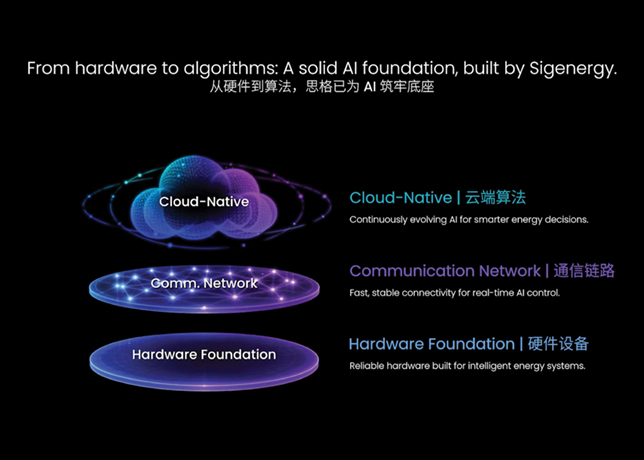
The suite is powered by mcube™, an advanced AI and data platform that serves as the intelligence backbone.
"This is a defining moment for India’s refining landscape. As the country’s first LC-MAX® unit, this deployment positions HPCL at the forefront of technological and operational innovation. By integrating advanced intelligence, we are setting a new benchmark for efficiency, reliability, and sustainability in Indian refining," says Shri Vikas Kaushal, Chairman and Managing Director, HPCL.
"With hybrid modelling and an integrated digital backbone built on mcube, the LC-MAX Digital Suite will be a valuable operational asset for HPCL," says Debdas Sen, Joint Executive Director, Lummus Digital, & CEO, TCG Digital.
The key highlights of the digital suite include:
• Capacity utilisation monitoring: Real-time insights are offered into section-wise utilisation to identify bottlenecks and optimise throughput.
• Feed operability index (FOI): This quantifies feed complexity to maintain stability during crude changes.
• Crude blending optimisation: This allows to predict product quality and conversion for better blending strategies.
• Economic performance dashboard: This allows the tracking of revenue, operating cost, and profitability KPIs.
• Energy and carbon tracking: This monitors specific energy consumption and Scope 1 and 2 CO0 emissions for ESG compliance.
• EB reactor health monitoring: This crucial indicator helps prevent coke formation through temperature and pressure trend analysis.
• Catalyst performance and inventory management: This helps optimise catalyst life and cost through predictive monitoring.
The EB Catalyst Inventory Dashboard delivers real time visibility and automated control of catalyst levels across reactors and handling systems.
By ensuring accurate inventory management, it optimises plant performance, ensures product quality, and reduces manual intervention.
• Integrated hydrogen management: This helps reduce energy intensity and optimises hydrogen consumption.
The LC-MAX Digital Suite is designed to enable a range of operational and economic improvements to contribute to higher margins.
These include improved product quality and profitability; enhanced operational reliability and reduced downtime; optimised catalyst addition and hydrogen utilisation; and lower carbon footprint and energy intensity.