



















































 Aging infrastructure is creating a multi-billion-dollar decommissioning market in the region
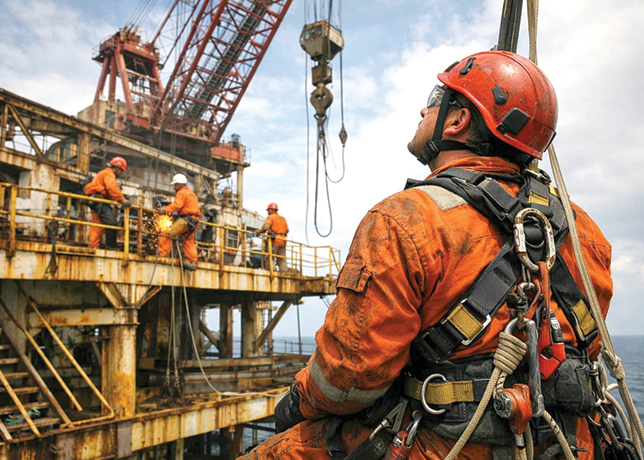
The Middle East, historically a cornerstone of global oil and gas supply, is poised to emerge as a significant hub for asset decommissioning, with around 700 offshore facilities currently awaiting action and projections indicating an increase to 1,000 structures and 300 wells by 2038.
This surge stems from installations constructed in the 1960s and 1970s that were not designed with end-of-life environmental considerations, creating a multi-billion-dollar market driven by the need to address aging infrastructure while sustaining economic contributions from the sector.
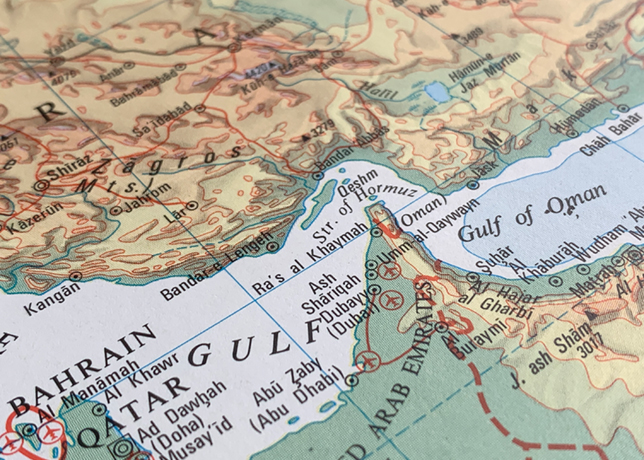
With regard to aging installations in the Middle East, the GCC states are expected to bear substantial expenditures, with decommissioning in the Arabian Gulf alone potentially costing between $30 billion and $50 billion over the next two decades.
These figures underscore the scale of the challenge, as stakeholders navigate uncharted territories marked by high, open-ended costs and a lack of prior large-scale experience in the region.
The installations have fuelled thriving economies geared towards energy exports, yet their phase-out demands careful management to avoid disrupting marine ecosystems, coastal communities, and ongoing production.
The regional landscape reflects a gradual pathway towards decommissioning, shaped by heavy reliance on oil and gas exports central to national economic strategies.
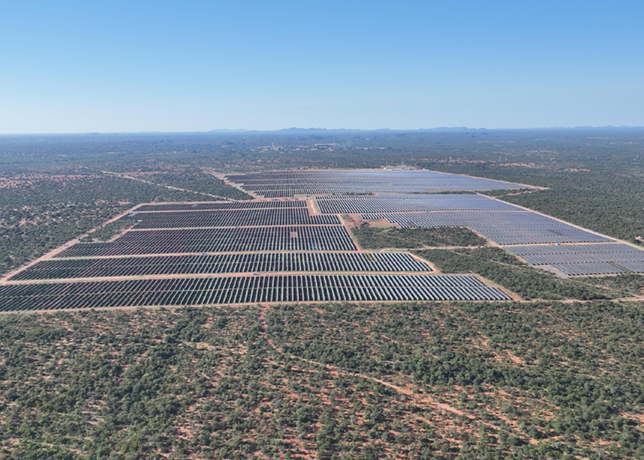
The Kingdom of Saudi Arabia and the UAE are investing heavily in renewable projects like solar and hydrogen to diversify economies and foster new industries, while maintaining extensive oil production for stability.
This approach contrasts with more accelerated pathways in other regions but aligns with priorities balancing energy security and growth, with limited incentives for clean energy projects compared to developed markets.
Early-stage efforts are evident in some areas, though the focus remains on continued fossil fuel dependence, influenced by geopolitical dynamics and the need to preserve jobs and incomes.
DECOMMISSIONING PROJECT ACTIVITY
Project activity in the Middle East centres on offshore facilities, where the initial step involves capping wells to halt production, followed by evaluation of alternatives amid technical and logistical hurdles.
Complete or partial removal is often viewed as impractical for these structures, given their nature and location in sensitive marine environments compounded by complex regional geopolitics.
Instead, operators are exploring repurposing options, with the creation of marine habitats through rig-to-reef programmes emerging as a commonly considered route, transforming platforms into artificial reefs to enhance biodiversity and support fishing and tourism.
However, the balance between ecological benefits and pollution risks remains unclear, as networks may be left in place or relocated to the deep sea.
Innovation in repurposing extends to potential defence industry applications, where installations could serve high-security needs, though cost-benefit analyses are critical for such purpose-built adaptations.
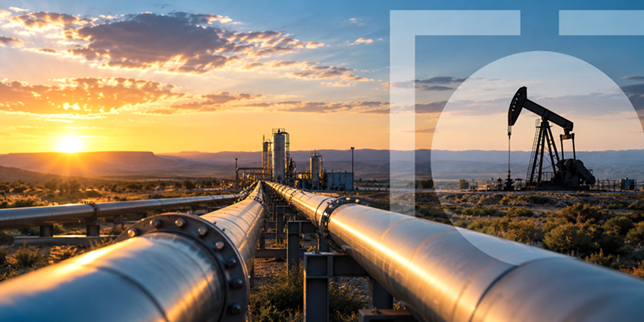
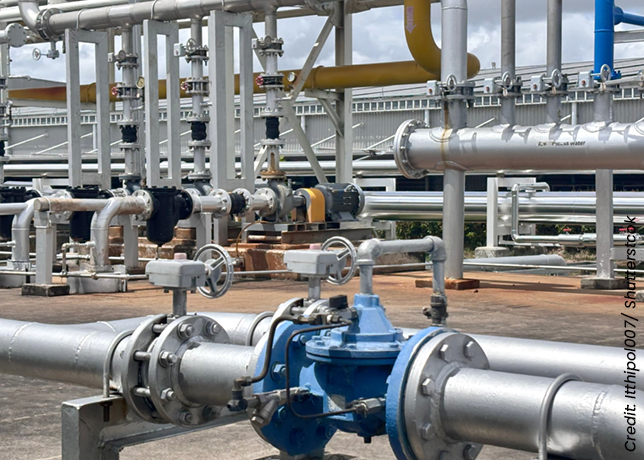
To extend asset lifespans and defer decommissioning liabilities, replacement and retrofitting projects are underway, updating ageing pipelines and infrastructure with systems designed for eventual safe removal, incorporating corrosion-resistant steel and alloy pipes for longevity.
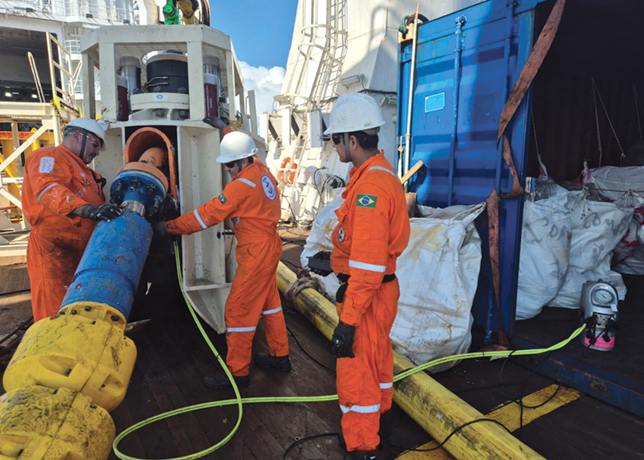
Temporary installations for managing hydrocarbon removal during decommissioning also require durable pipe system solutions, offering opportunities for recycling old materials.
These activities highlight the region’s emphasis on optimising existing assets, with operators relying on current oil and gas incomes to fund transitions, even as public perception pressures add to regulatory scrutiny.
DECISION DRIVERS & IMPLICATIONS
Strategic, regulatory, technical, and economic factors underpin decommissioning decisions, forming a trilemma of decarbonisation, energy security, and stability that prompts re-evaluation of timelines.
Operators assess assets on a case-by-case basis, considering location, regulatory plans, decarbonisation speed, clean energy incentives, and condition.
Key questions include operational viability, such as remaining recoverable reserves and production rates; risk factors like age, corrosion, and safety concerns; compliance with evolving laws that may necessitate new equipment investments; and economic metrics encompassing operating costs, market prices, and decommissioning expenses versus continued operation.
Extending asset lifespans through technologies like carbon capture and storage to lower emissions is favoured in developing contexts, deploying sensors, robotics, and analytics to reduce inspection man-days from approximately 1,670 to under 800 annually.
Repurposing offers a middle ground, leveraging skilled workforces, grid connections, and site approvals to convert assets for renewables, hydrogen transport, or non-energy uses, potentially saving billions in costs as seen in global examples.
Full decommissioning, involving shutdown and infrastructure removal, faces challenges including unclear cost responsibilities, absent up-to-date technical specifications complicating standardisation, insufficient ecosystem infrastructure, like port facilities and waste management, limited visibility into operator strategies hindering collaboration, and financing gaps for orphaned assets predating mandatory operator-funded obligations.
Forward-looking implications emphasise the need for strategic roadmaps prioritising low-value, high-risk facilities; robust regulatory frameworks clarifying liabilities and emissions reporting; standardised financing guidelines; transparency to enable supplier investments and joint campaigns; technology commercialisation for greener operations; technical specification updates; local recycling hubs near ports; and ecosystem collaboration among governments, communities, and providers.
These measures aim to mitigate risks of premature decommissioning, such as tax revenue drops and job losses, or delayed action, including failure to meet climate commitments and asset stranding, ensuring the transition supports economic value while adhering to net zero goals.
As activity ramps up, the Middle East’s approach will shape global practices in managing fossil fuel legacies. -OGN/TradeArabia News Service