







































Fossil fuel producers successfully block phase-out language from final agreement
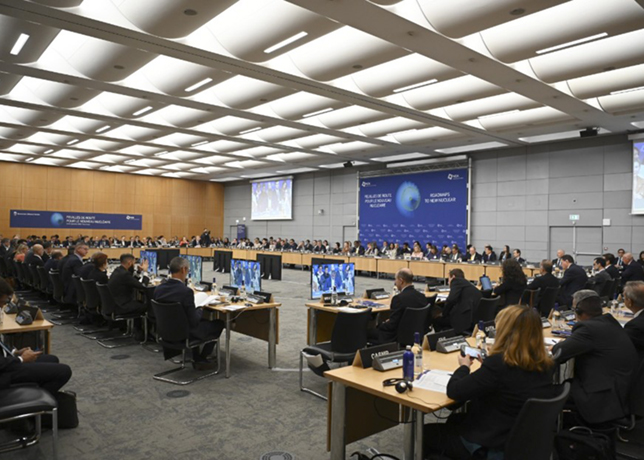
The COP30 climate summit concluded in Belem, Brazil, on November 22, 2025, without any reference to fossil fuels in the final text, marking a strategic victory for oil-producing nations.
More than 80 countries, including Colombia, the UK, and France, had supported a roadmap to transition away from fossil fuels, building on commitments made at COP28 in Dubai.
However, intense opposition from petrostates prevented consensus, forcing the removal of fossil fuel transition language from the agreement.
The final agreement, known as the Belem Package, committed developed nations to tripling adaptation finance for vulnerable countries, pledging an annual fund of $120 billion.
However, the money will only begin flowing in 2026 and fully materialise by 2035, leaving climate-vulnerable nations exposed to immediate impacts.
Andre Correa do Lago, COP30 President, announced that the issue of stronger language around fossil fuels could be addressed at an interim COP meeting in six months, though this was met with objections by oil-producing countries.
The final text omits any explicit commitment to ‘transition away from’ or ‘phase out’ coal, oil, and gas, despite sustained pressure from a large coalition of states and civil society groups.
This outcome is weaker on fossil fuels than earlier UN climate summits, including the 2021 Glasgow talks.
In response, Colombia and the Netherlands announced plans, with support from 22 other countries, to hold a separate conference in April 2026 to develop a roadmap for abandoning fossil fuels.
The US did not participate in the talks for the first time in history, with President Donald Trump having withdrawn from the Paris Climate Agreement in January 2025.
Negotiators admitted that taking strong action against major producers was impossible without backing from the US.
